 Save to Pinterest
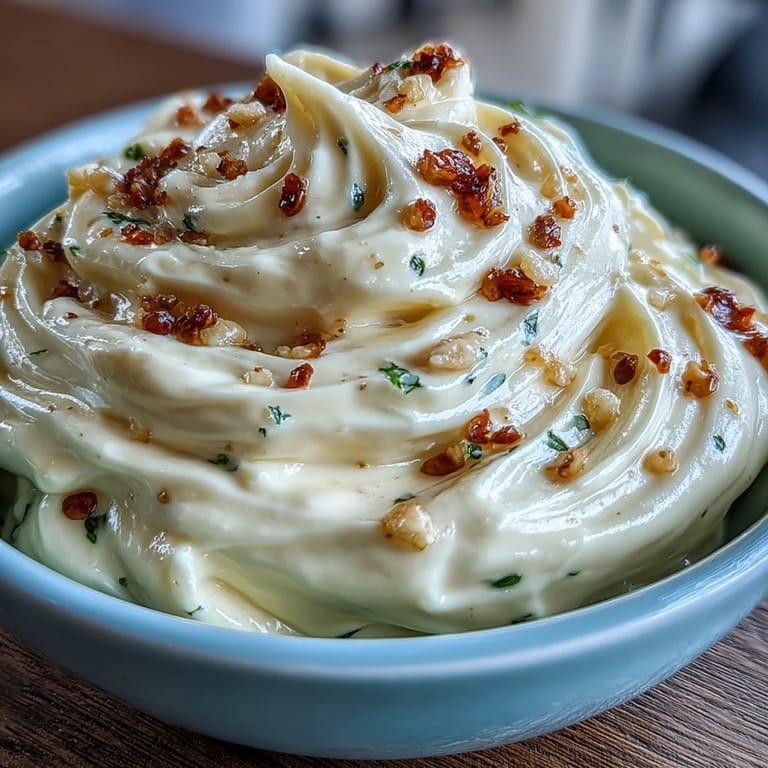
 The first time I tried making garlic aioli from scratch, it was a spur-of-the-moment experiment while prepping for a late-night movie snack session. The citrusy aroma of freshly squeezed lemon mixed with sharp mustard felt like a little chemistry set in my kitchen, and the texture coming together in the bowl was oddly satisfying. I remember being amazed that something so rich and creamy could come from such humble ingredients. This recipe is now my go-to whenever simple fries or crudités need an upgrade. Sometimes I catch myself licking the whisk, just to savor the garlicky kick before anyone else does.
Last spring, I whipped up a batch for a casual backyard gathering and watched my friends debate whether I'd bought it from a fancy deli. The laughter, sun on our faces, and the aioli disappearing faster than the fries made it feel like something special. My brother dunked grilled shrimp into it and declared he finally understood what aioli was supposed to taste like. These moments remind me how homemade sauce can turn ordinary snacks into lasting memories. Now, someone always requests it for birthdays or sandwich nights.
Ingredients
- Egg yolk: Starting with a room temperature yolk means your aioli will emulsify easily—cold eggs lead to stubborn splitting.
- Dijon mustard: The mustard acts as an anchor for flavor and helps stabilize the mixture; use genuine Dijon for best results.
- Fresh lemon juice: This brings a bright tang, and I've learned to squeeze by hand for the freshest taste and avoid bottled versions, which dull the aioli.
- Neutral oil (sunflower or canola): Pick oil with no strong flavor so you don't overpower the delicate garlic and lemon—avoid olive oil for classic aioli.
- Garlic cloves: Finely minced or grated garlic assures even distribution and avoids biting into a harsh chunk; a microplane works wonders here.
- Sea salt: Flaky salt is ideal, smoothing out the sharpness and making the aioli taste cleaner.
- Freshly ground black pepper: A few grinds add warmth and make the aioli pop; cracked black pepper gives a rustic edge.
Tired of Takeout? 🥡
Get 10 meals you can make faster than delivery arrives. Seriously.
One email. No spam. Unsubscribe anytime.
Instructions
- Mix the base:
- Grab a medium bowl and whisk together the egg yolk, Dijon mustard, and fresh lemon juice until the color is pale and the mixture thickens a little.
- Add the oil slowly:
- Begin with just a drop at a time, whisking constantly, and as it starts to come together, stream the oil in—your arm may ache, but that's the sign of a creamy sauce developing.
- Incorporate flavorings:
- Once thick and glossy, fold in the minced garlic, sea salt, and black pepper, feeling the aroma bloom as they mix.
- Taste and adjust:
- Scoop a tiny bit onto your finger and decide if you'd like more lemon or garlic—don't shy away from bold, but aim for balance.
- Refrigerate:
- Transfer to a clean jar or bowl, cover tightly, and let the flavors mingle for at least thirty minutes; it's even better cold.
 Save to Pinterest
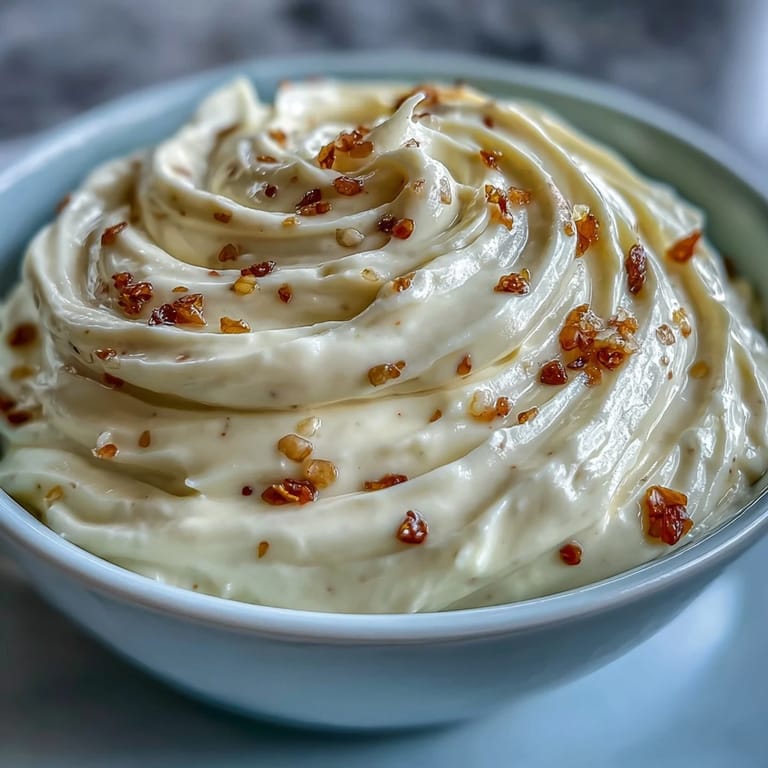
 This aioli became more than a condiment the evening my sister used it to top her homemade veggie burgers. Everyone gathered around the kitchen counter, dipping potato wedges and swapping stories, and for a while, the sauce was the center of attention. It felt as though we’d created our own tradition, sparked by something as simple as garlic and egg. I still smile thinking about the plates left sparkling clean, evidence of every last bit scraped up.
How to Fix a Broken Aioli
Once, my aioli stubbornly separated, threatening to ruin the batch. Instead of tossing it, I whisked a fresh egg yolk in a separate bowl and slowly incorporated the broken mixture. It magically came back together, creamy and thick. Don’t panic if your sauce splits—a little patience and a second yolk can save the day.
Ways to Customize Your Aioli
I often stir chopped herbs like chives or tarragon into the finished aioli for an herbal lift. Smoked paprika brings warmth and a whisper of color, perfect for dipping seafood. Even a dab of hot sauce works wonders if you want a fiery kick, letting each batch reflect your mood and pantry.
Serving Ideas & Last-Minute Fixes
There’s no wrong way to serve this aioli, whether as a dip for crunchy vegetables, spread on warm baguette, or drizzled over grilled fish. I’ve learned to always have a batch ready for impromptu gatherings—it’s a crowd-pleaser that disappears quickly and never fails to impress.
- If the aioli is too thick, thin it with a splash of water or lemon juice.
- For vegan guests, substitute egg yolk with aquafaba and increase the mustard.
- Always taste and adjust salt, pepper, and lemon just before serving.
 Save to Pinterest
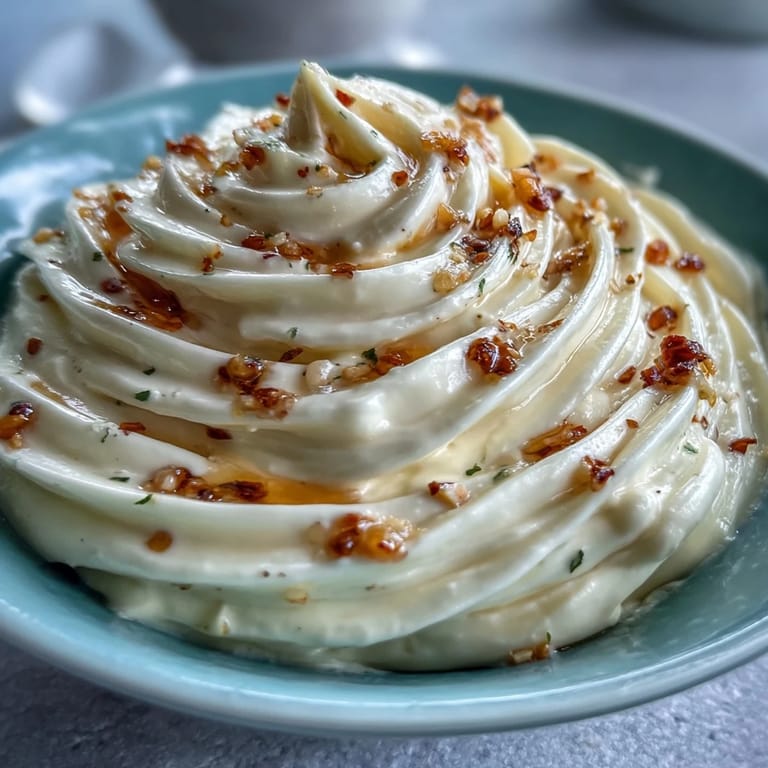
 Homemade aioli is a small kitchen triumph—creamy, flavorful, and surprisingly easy. I hope it brings you moments of joy and deliciousness, just as it has for mine.
Recipe FAQs
- → What distinguishes aioli from traditional mayonnaise?
Aioli features a pronounced garlic flavor and uses Mediterranean ingredients, whereas mayonnaise is typically more neutral in taste.
- → Can I use olive oil instead of neutral oil?
Yes, but olive oil will lend a stronger, often slightly bitter flavor. For a milder taste, neutral oil is recommended.
- → Is it possible to make aioli without eggs?
Egg yolk is classic but you can substitute it with aquafaba for a vegan-friendly version. Adjust mustard for emulsification.
- → How long will homemade aioli last in the fridge?
Once prepared, store aioli in a covered container for up to three days in the refrigerator.
- → Can I add extra flavorings to aioli?
Smoked paprika, chopped herbs, or roasted garlic can be mixed in for taste variations.
- → Which dishes pair well with aioli?
Aioli is excellent alongside fries, vegetables, grilled seafood, or as a sandwich spread.