 Save to Pinterest
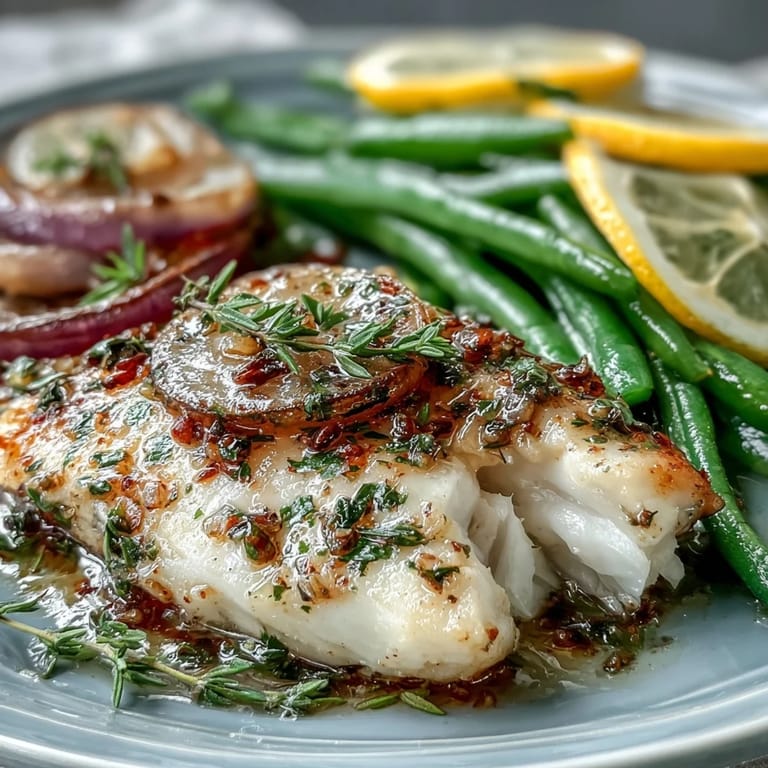
 There's something almost meditative about cooking en papillote—those little foil packets that steam themselves in the oven while you do literally nothing but wait. I discovered this lemon garlic tilapia version on a Tuesday when I was determined to prove that healthy dinner didn't have to taste like cardboard or take an engineering degree to assemble. The beauty of it hit me immediately: fresh fish, bright citrus, everything tender and moist, all contained in its own little steam bath. My kitchen smelled incredible for the first time in weeks, and nobody at the table noticed we'd just eaten 295 calories.
I made these for my roommate after she'd complained for weeks that she couldn't find a single meal that felt indulgent but wouldn't derail her goals. She opened that packet at the table, steam rose up with this gorgeous lemony aroma, and she literally closed her eyes for a second. That's when I knew this recipe was doing something right—it crossed the line from 'healthy food I eat because I have to' into 'something I'd actually crave.'
Ingredients
- Fresh tilapia fillets (4 oz each): Look for fillets that smell like the ocean, not fishy—that's the difference between fresh and past-prime. Pat them dry before cooking because moisture is the enemy of a good sear in any method, even steaming.
- Fresh green beans (12 oz): Trim both ends and don't stress about being perfectly neat; they'll soften just enough in 20 minutes to be tender without turning into mush.
- Red onion (1 small, thinly sliced): The sharp bite of raw red onion mellows beautifully as it steams, adding sweetness you didn't expect.
- Fresh lemon (1, thinly sliced): This becomes almost candied as it sits on the fish, adding flavor and preventing sticking.
- Fresh lemon juice (3 tablespoons): Don't use bottled if you can help it; the brightness fades fast and this dish depends on that fresh zing.
- Olive oil (2 tablespoons): This keeps the fish from drying out and carries all the garlic flavor through the steam.
- Garlic cloves (2 large, minced): Mince it fine so the pieces distribute evenly and won't overpower any single bite.
- Dried oregano or Italian seasoning (1 teaspoon): Dried herbs actually work better here than fresh because they won't turn dark and bitter during steaming.
- Salt and pepper: A light hand here goes a long way—you can always taste and adjust, but you can't take it back.
- Fresh parsley (2 tablespoons, optional): The final garnish adds color and a subtle anise note that makes people think you tried harder than you actually did.
Tired of Takeout? 🥡
Get 10 meals you can make faster than delivery arrives. Seriously.
One email. No spam. Unsubscribe anytime.
Instructions
- Heat your oven and gather your foil:
- Set the oven to 400°F and tear out four large sheets of aluminum foil—about 12 inches each. This temperature is hot enough to steam the fish through in exactly 20 minutes without overcooking it to rubber.
- Build the marinade:
- Whisk together the lemon juice, olive oil, minced garlic, oregano, salt, and pepper in a small bowl. This takes about one minute and smells immediately promising.
- Assemble the base of each packet:
- Divide the trimmed green beans evenly among the four foil sheets, piling them in the center. Layer the red onion slices on top so they'll steam directly above the beans.
- Position your fish:
- Pat each tilapia fillet completely dry with paper towels, then place one on top of the vegetable pile in each packet. Dryness here prevents the fish from steaming in its own moisture.
- Add the magic:
- Drizzle each fillet with the lemon-garlic mixture, then top with 2-3 lemon slices. The lemon slices protect the fish surface and infuse it with flavor as everything steams together.
- Seal the packets tight:
- Fold the foil over each packet and crimp the edges so no steam escapes during cooking. A loose seal means dry fish, so take your time here.
- Bake until opaque:
- Place the sealed packets on a baking sheet and bake for 18-20 minutes. The fish is done when it's opaque throughout and flakes easily with a fork pressed gently against the thickest part.
- Open carefully and serve:
- Let the packets rest for one minute, then carefully open them—the steam inside is genuinely hot and will escape fast. Top with fresh parsley and eat immediately.
 Save to Pinterest
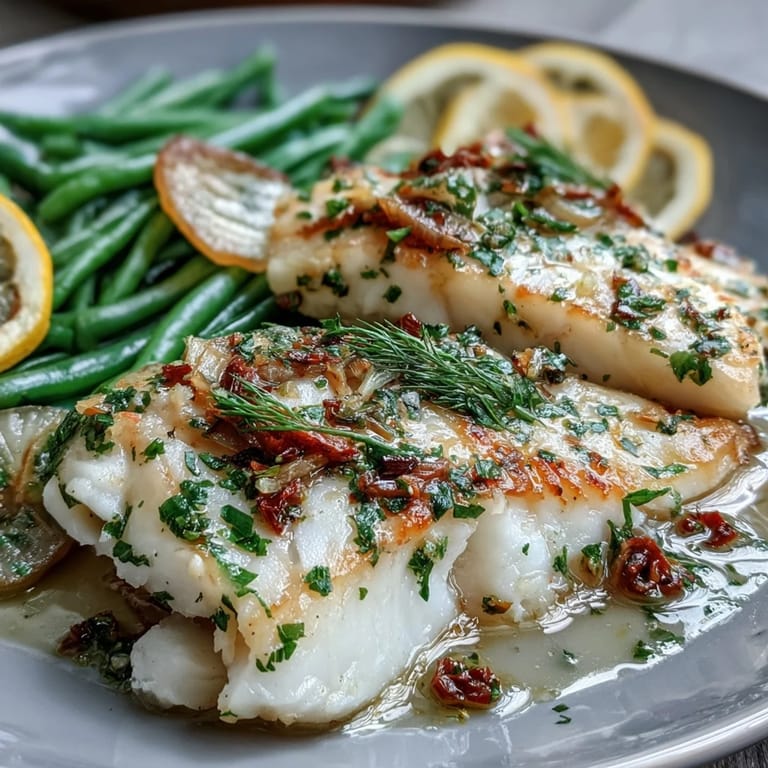
 There was this moment when my sister opened her packet at dinner, and the steam curled up and she actually paused mid-conversation. She said, 'This tastes like something I'd order at a nice restaurant,' and then she looked at the nutrition label I'd printed out. The disconnect between how special it tasted and how light it actually was seemed to genuinely surprise her, and I watched her relax into the meal in a way I hadn't seen in months.
Why This Method Works So Well
Steaming in foil packets isn't just a clever technique—it's actually the best way to keep delicate white fish from drying out while still letting seasonings infuse deeply. The trapped steam creates a gentle, humid environment that cooks the fish through evenly, and the lemon slices on top add protection and flavor simultaneously. Every element in the packet gets hotter at the same rate, so nothing is over or underdone.
Simple Swaps and Variations
If tilapia isn't available or you're just bored with it, cod works beautifully here, as does sole or any mild white fish that's about the same thickness. I've made this with halibut when it was on sale and barely changed the cooking time, though halibut's richer flavor is almost a different experience—still delicious, just more assertive. For heat, a pinch of red chili flakes scattered over the fish before sealing adds gentle warmth without overpowering the lemon.
Serving and Storage Ideas
These packets are beautiful on their own, but if your goals allow for it, a side of quinoa or brown rice soaks up all the steaming liquid left in the bottom of each packet and adds substance without much extra work. Leftovers store well in an airtight container for up to two days, though the texture is best enjoyed fresh. You can also assemble the packets in the morning and refrigerate them until dinner time, which buys you ten minutes of breathing room at the end of a busy day.
- Serve immediately after opening to keep the fish at its most tender.
- Add roasted potatoes or rice to turn this into a complete meal if you need more calories.
- Keep the parsley garnish until right before eating so it stays bright and doesn't wilt into the steam.
 Save to Pinterest
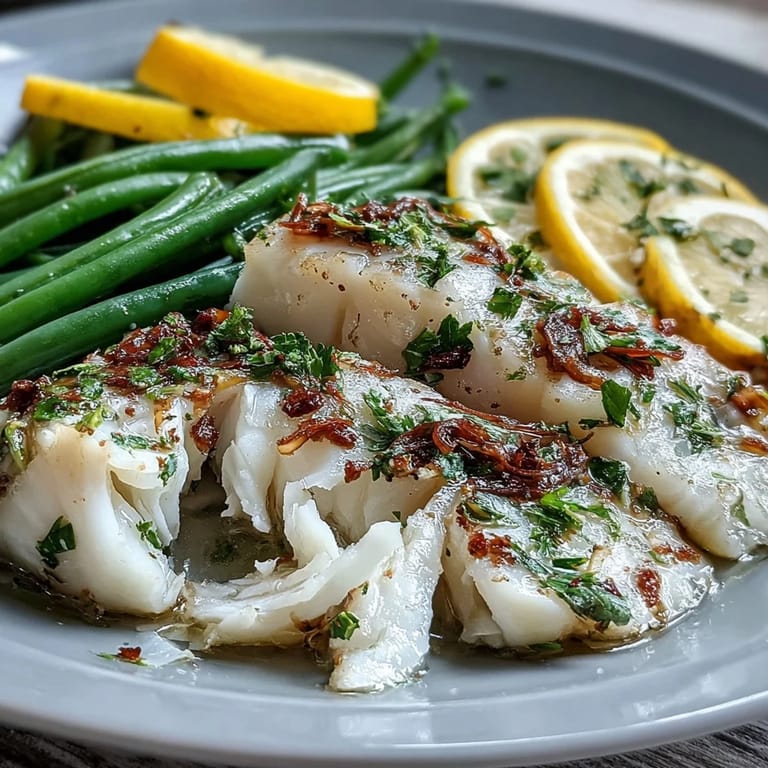
 This dish proved to me that healthy eating doesn't require sacrifice—just attention and the right technique. Every time I make these packets now, someone at the table seems genuinely surprised that something this good for them can taste this good.
Recipe FAQs
- → How do I prevent the fish from overcooking?
Monitor the baking time carefully and bake the foil packets just until the fish is opaque and flakes easily with a fork, about 18–20 minutes at 400°F.
- → Can I substitute the green beans for other vegetables?
Yes, you can swap green beans for asparagus, snap peas, or thinly sliced zucchini to suit your preference.
- → What are the benefits of cooking in foil packets?
Cooking in foil traps steam and flavors, keeping the fish moist and tender while blending the aromatic ingredients throughout the dish.
- → Is it possible to add a spicy element to the dish?
Adding a pinch of chili flakes to the marinade will introduce a gentle heat that complements the lemon and garlic.
- → Can other types of fish be used instead of tilapia?
Yes, mild white fish such as cod, sole, or haddock work well with this preparation and absorb the flavors nicely.