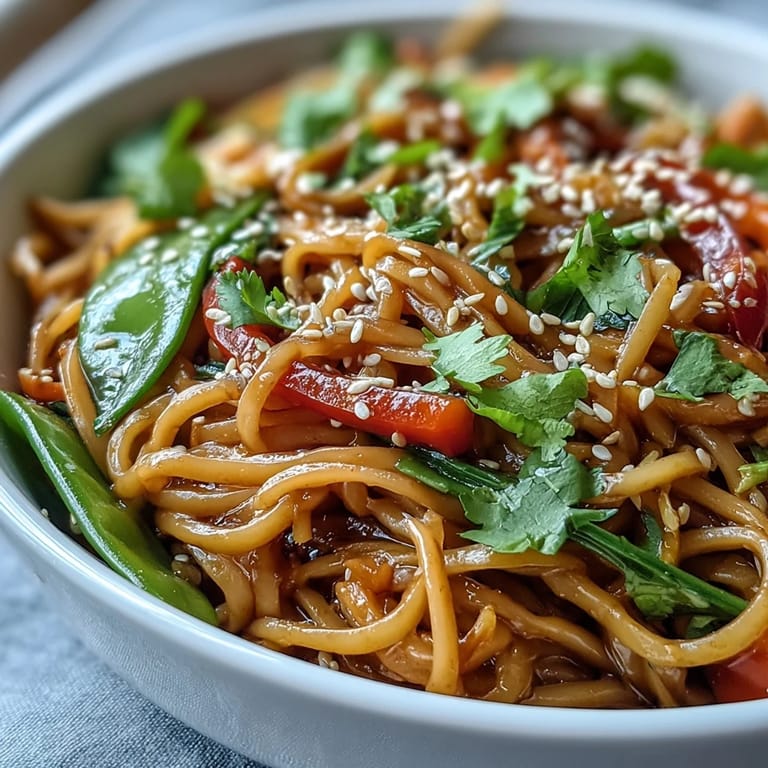
 Save to Pinterest
 My coworker handed me a package of shirataki noodles one lunch break and said they tasted like nothing, which sounded terrible until she added, "which means they taste like whatever you put on them." I was skeptical but curious, so I bought a few packs on my way home. That night, I tossed them with whatever vegetables were starting to wilt in my crisper and a quick ginger sauce I threw together without measuring. The noodles soaked up every bit of that sharp, fragrant sauce, and I ended up eating straight from the pan. It became my go-to for nights when I wanted something filling but light, something fast but satisfying.
I made this for a friend who was trying to cut back on heavy dinners but still craved bold flavors. She was wary of the noodles at first, poking at them with her chopsticks like they might bite back. But after the first forkful, she looked up and said, "Wait, this is actually really good." We ate two bowls each that night, talking until the kitchen got cold. She texts me photos of her own versions now, always with different vegetables, always with that same ginger sauce.
Ingredients
- Shirataki noodles: These gelatinous noodles are nearly calorie-free and take on whatever flavor you give them, but you must rinse and dry them well or they taste oddly fishy.
- Bok choy: It wilts fast and adds a mild, slightly sweet crunch that balances the bolder vegetables.
- Red bell pepper: The sweetness cuts through the salty tamari and brings color to the bowl.
- Snow peas: They stay crisp even after a quick stir-fry, adding snap and freshness.
- Carrot: Julienned thin, it cooks quickly and soaks up the ginger sauce beautifully.
- Green onions: They add a sharp, grassy note that wakes up the whole dish.
- Tamari: Richer and less sharp than regular soy sauce, it gives the sauce depth without overpowering the ginger.
- Rice vinegar: A splash of this brightens everything and keeps the sauce from feeling too heavy.
- Toasted sesame oil: Just a tablespoon makes the kitchen smell like a street market, nutty and warm.
- Fresh ginger: This is the heart of the sauce, sharp and warming, and it must be fresh or the whole thing falls flat.
- Garlic: One clove is enough to add a savory backbone without competing with the ginger.
- Maple syrup: A tiny bit of sweetness rounds out the sauce and makes it cling to the noodles.
- Chili flakes: Optional, but they add a gentle heat that builds as you eat.
- Toasted sesame seeds: They add crunch and a toasty finish that makes every bite feel complete.
- Fresh cilantro or basil: A handful of herbs on top makes it feel fresh and restaurant-worthy.
Tired of Takeout? 🥡
Get 10 meals you can make faster than delivery arrives. Seriously.
One email. No spam. Unsubscribe anytime.
Instructions
- Prep the noodles:
- Drain and rinse the shirataki noodles under cold water, then boil them for 2 minutes to remove any lingering odor. Pat them completely dry with paper towels so they can crisp up slightly in the pan later.
- Make the ginger sauce:
- Whisk together the tamari, rice vinegar, sesame oil, grated ginger, minced garlic, maple syrup, and chili flakes in a small bowl. The ginger should be finely grated so it blends into the sauce instead of sitting in chunks.
- Stir-fry the sturdy vegetables:
- Heat a large skillet or wok over medium-high heat and add the carrot, bell pepper, and snow peas. Stir-fry for 2 to 3 minutes until they soften just slightly but still have bite.
- Add the tender greens:
- Toss in the bok choy and green onions, stirring for another minute or two until the bok choy wilts but the green onions stay bright. Everything should still look vibrant and crisp.
- Toss with noodles and sauce:
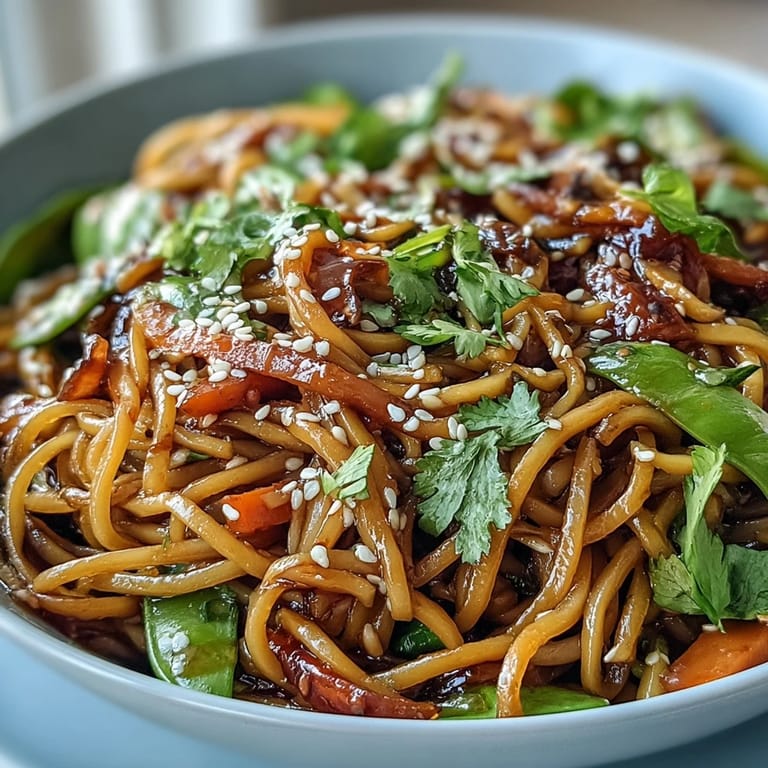
- Add the dried shirataki noodles to the pan, pour the ginger sauce over everything, and toss it all together for 2 to 3 minutes. The noodles will absorb the sauce and start to look glossy and fragrant.
- Serve and garnish:
- Divide the noodle bowl between two bowls and sprinkle with toasted sesame seeds and fresh herbs. Serve immediately while everything is still hot and the vegetables are crisp.
 Save to Pinterest
 One winter night, I made this after a long day and ate it curled up on the couch with a blanket. The ginger warmed me from the inside, and the crunch of the vegetables made me feel like I was taking care of myself instead of just feeding myself. It was not fancy, but it felt like exactly what I needed. I have made it dozens of times since, and it always brings me back to that quiet, comforting evening.
Choosing Your Vegetables
The beauty of this bowl is that you can use almost any vegetable that cooks quickly and stays crisp. I have thrown in broccoli florets, sliced mushrooms, snap peas, and even thinly sliced cabbage when that was all I had. The key is to cut everything about the same size so it cooks evenly. If you are using something heartier like broccoli, give it a minute or two head start before adding the softer vegetables.
Making It a Full Meal
Sometimes I crave more protein, so I will top the bowl with pan-fried tofu that has been pressed and cubed, or crumbled tempeh that I brown until crispy. If you eat seafood, a handful of cooked shrimp tossed in at the end works beautifully. Even a soft-boiled egg with a jammy yolk turns this into something more substantial. The ginger sauce plays well with almost any protein, so do not be afraid to experiment.
Storing and Reheating
This bowl is best eaten fresh, but leftovers will keep in the fridge for a day or two. The noodles can get a little softer and the vegetables lose some of their crunch, but the flavors deepen overnight. Reheat gently in a skillet with a splash of water or broth to loosen everything up.
- Store the sauce separately if you are meal prepping so the noodles do not get soggy.
- Add fresh herbs and sesame seeds right before serving, not before storing.
- A squeeze of lime or a drizzle of extra sesame oil can revive leftovers and make them taste bright again.
 Save to Pinterest
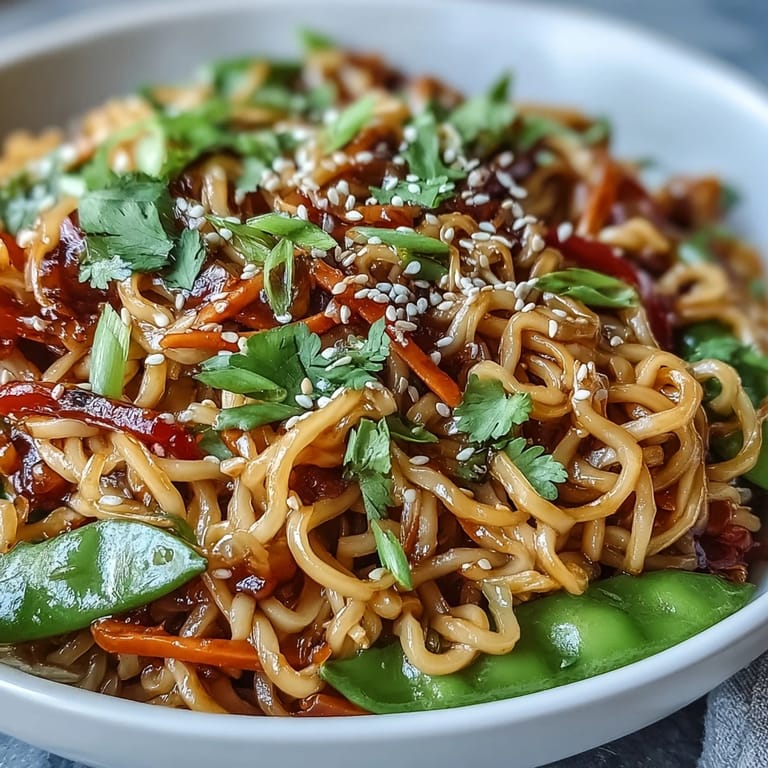
 This bowl has become one of those recipes I make without thinking, the kind that feels like muscle memory. I hope it becomes that for you too, something easy and bright that you can turn to whenever you need a quick reset.
Recipe FAQs
- → What do shirataki noodles taste like?
Shirataki noodles have a neutral taste that absorbs flavors beautifully. Their gelatinous texture becomes more pasta-like when properly prepared through boiling and pan-frying.
- → Can I add protein to this bowl?
Absolutely. Grilled tofu, tempeh, edamame, or cooked shrimp make excellent additions. Add your protein during the final toss with the sauce.
- → How do I store leftovers?
Store components separately in airtight containers. The vegetables stay crisp for 2-3 days, while the sauce keeps for up to a week. Reheat noodles gently before assembling.
- → Is this suitable for meal prep?
Yes, this bowls prep wonderfully. Prepare vegetables and sauce in advance, then quickly stir-fry when ready to eat. The flavors actually improve after marinating together.
- → Can I substitute the vegetables?
Definitely. Broccoli florets, sliced mushrooms, snap peas, or shredded cabbage all work beautifully. Use whatever crisp vegetables you have on hand.