 Save to Pinterest
 My cousin texted me a photo of her cap and gown three weeks before graduation, and suddenly I was standing in my kitchen wondering what dessert could possibly match the magnitude of that moment. A sheet cake seemed too simple until I realized that's exactly the point—when everyone's dressed up and emotional and ready to move on, they need something uncomplicated and generous, something that feeds a crowd without demanding fancy plating or last-minute stress. This vanilla cake became my answer, the kind that disappears in minutes because it's neither too rich nor too plain, just exactly right.
I made this cake the night before my neighbor's graduation open house, and when she opened her door that morning, the smell hit her before she even saw the cake. She got teary—not from anything I'd said, but because her entire kitchen suddenly smelled like celebration, like someone believed this day was worth the good butter and real vanilla. That's when I understood why simple recipes matter; they give you room to care about the people eating them.
Ingredients
- All-purpose flour (3 cups): This is your structure, so don't sift it unless the bag says to, but do spoon it gently into your measuring cup and level it off—packed flour makes a dense cake nobody wants.
- Baking powder and baking soda (2½ tsp and ½ tsp): These are your leavening agents, and they need to be fresh; old ones won't give you that cloud-like crumb, so check your cabinet before you start.
- Salt (½ tsp): This tiny amount makes the vanilla actually taste like vanilla instead of just sweet, so don't skip it thinking it won't matter.
- Unsalted butter (1 cup for cake, 1 cup for frosting): Room temperature is non-negotiable here; cold butter won't cream properly and you'll end up with a grainy texture that no amount of mixing fixes.
- Granulated sugar (2 cups): This dissolves into the butter and eggs, creating that tender crumb that keeps the cake soft even after it's been sitting out for an hour.
- Large eggs (4): They need to be room temperature too, which I learned the hard way when I grabbed them straight from the fridge and the batter looked separated and sad.
- Vanilla extract (1 tbsp for cake, 2 tsp for frosting): Use the real stuff, not imitation; the difference is subtle but real, especially when vanilla is your only flavor playing.
- Whole milk (1½ cups for cake, ¼ cup for frosting): Room temperature milk keeps the batter from seizing up when you add it to the butter and sugar mixture.
- Powdered sugar (4 cups, sifted): Sifting actually matters here because lumpy frosting doesn't spread smoothly, and lumpy frosting makes your cake look homemade in a way that isn't charming.
- Graduation-themed sprinkles or edible decorations: These are your personality; pick colors that matter or shapes that make people smile.
Tired of Takeout? 🥡
Get 10 meals you can make faster than delivery arrives. Seriously.
One email. No spam. Unsubscribe anytime.
Instructions
- Prep your pan and preheat:
- Set your oven to 350°F and while it's warming, grease that 12x18-inch sheet pan with butter or baking spray, then line it with parchment paper so the edges lift out cleanly later. This step takes two minutes and saves you from cursing under your breath while trying to extract a warm cake from a stuck pan.
- Combine your dry ingredients:
- Whisk flour, baking powder, baking soda, and salt together in a medium bowl and set it aside; this distributes the leavening agents evenly so you don't get bitter pockets of baking soda that make people wince. Think of it as giving your cake an even temperament throughout.
- Cream butter and sugar:
- Beat your room-temperature butter and sugar together for about three minutes until it looks pale and fluffy, almost cloud-like; this is where air gets incorporated, and that air is what makes the cake tender instead of dense. You'll hear the mixer tone change when you've beaten it enough, becoming higher-pitched as the mixture lightens.
- Add eggs and vanilla:
- Drop in eggs one at a time, beating well after each one so the batter stays emulsified; if you dump them all in at once, the mixture looks broken and scared. Add your vanilla extract with the last egg, giving it a moment to distribute.
- Alternate wet and dry ingredients:
- This is the part that trips people up: add half the dry ingredients and mix gently on low speed, then pour in half the milk and mix again, then repeat with the remaining flour and milk. This method prevents overmixing, which would develop too much gluten and make your cake tough instead of tender.
- Transfer and bake:
- Spread the batter evenly into your prepared pan and smooth the top with a spatula, then bake for 28 to 32 minutes until a toothpick inserted in the center comes out clean. Your kitchen will smell incredible, and that's how you know it's almost ready.
- Cool completely:
- Let the cake cool in the pan on a wire rack until it's completely room temperature; frosting warm cake will melt into a sad puddle, so be patient even though you're excited. Completely cool takes about two hours, which is perfect timing if you're making this the night before.
- Make the buttercream:
- Beat room-temperature butter alone for about two minutes until it's creamy and lighter in color, then gradually add your sifted powdered sugar, mixing on low speed to avoid powdered sugar clouds. Once it's combined, add vanilla, milk, and salt, then beat on high for two to three minutes until it becomes fluffy and spreadable.
- Frost and decorate:
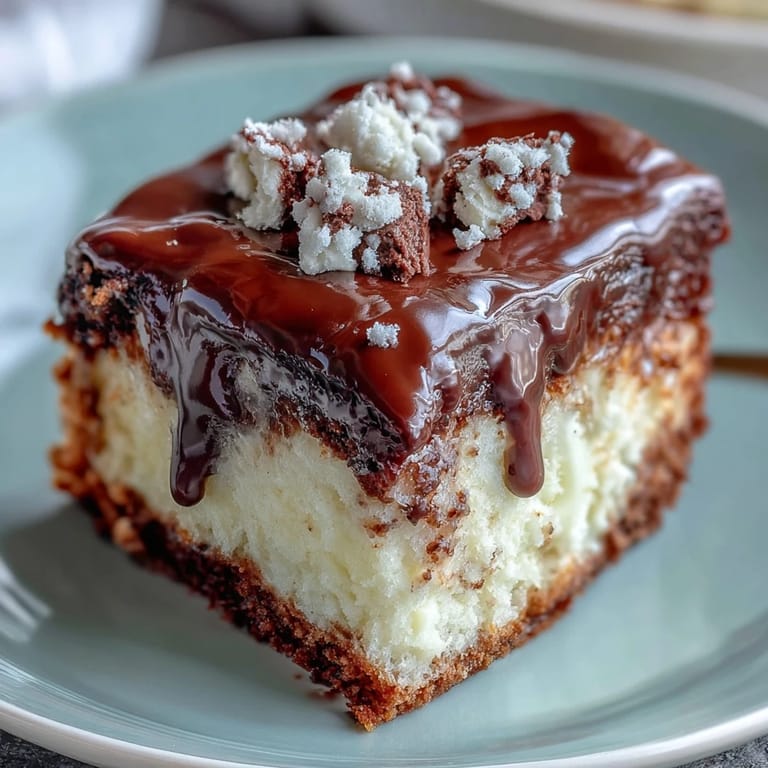
- Spread the buttercream evenly over your cooled cake using an offset spatula or the back of a spoon, then go wild with your graduation sprinkles and decorations. This is where you make it celebrate, where you show that this cake was made specifically for this moment.
 Save to Pinterest
 A parent came up to me at that graduation open house and asked for the recipe because her son had eaten three slices in a row while taking pictures in his cap and gown. She wasn't exaggerating for effect; I watched him do it, standing there in formal wear, frosting on his lip, completely unselfconscious about wanting another piece. That's when it hit me that good cake at important moments isn't about impressing anyone—it's about giving people permission to be a little bit happy, a little bit messy, a little bit themselves.
Why Sheet Cakes Win at Big Moments
Sheet cakes are the unsung heroes of celebrations because they don't require a tiered structure, fancy piping skills, or a rotating cake stand. You grease a pan, pour in batter, bake, frost, and suddenly you've fed two dozen people without making it a production. The simplicity is actually the sophistication—you're announcing that this is about the people, not the presentation.
Customizing for Different Celebrations
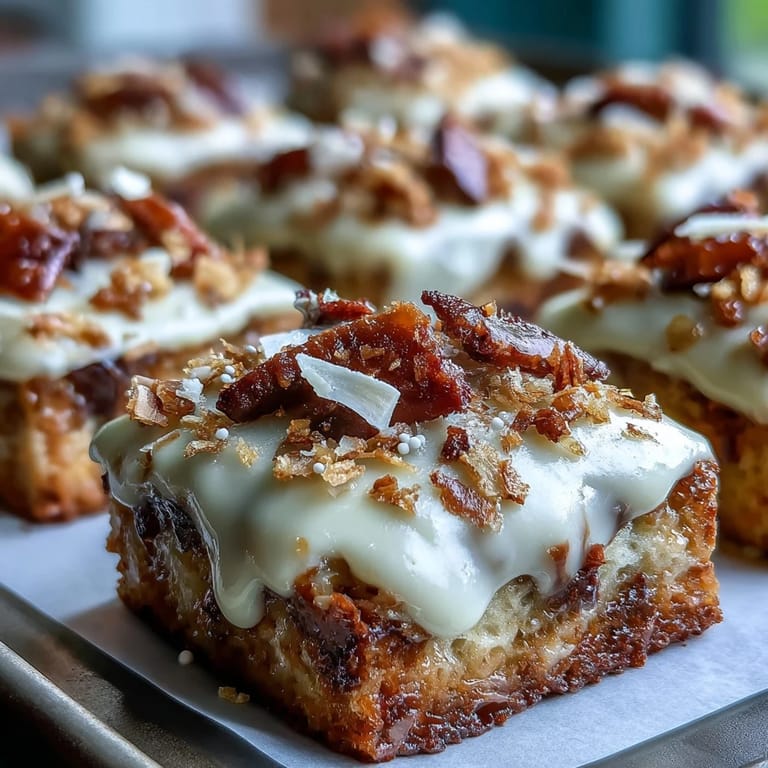
The beauty of a basic vanilla cake is that it takes decoration directions beautifully, which means this same recipe works for graduations, weddings, anniversaries, or just because someone deserves cake. You can tint the frosting in school colors, add edible glitter, pipe names across the top, or keep it pristine white and let the quality of the cake speak for itself. I once made this for a retirement party using the person's favorite colors, and the fact that someone took the time to customize the frosting mattered more than any fancy design could have.
Storage and Make-Ahead Strategies
This cake actually improves slightly on day two because the moisture redistributes and the crumb becomes even more tender. You can bake it up to three days ahead and keep it covered at room temperature, or make the frosting the morning of and assemble everything a few hours before guests arrive, which takes the panic out of party prep.
- Wrap unfrosted cake layers tightly and store at room temperature for up to three days, or freeze for up to a month if you're really planning ahead.
- Frosted cake keeps covered at room temperature for one day, or in the refrigerator for up to four days, so don't stress about timing.
- If you're decorating ahead, apply sprinkles right before serving so they don't absorb moisture and lose their brightness.
 Save to Pinterest
 Make this cake for someone you care about, because cake made with intention tastes different than cake made by obligation. That's not sentiment; that's chemistry.
Recipe FAQs
- → What is the best way to ensure the cake stays moist?
Using room temperature ingredients and not overmixing the batter helps maintain moisture. Baking until a toothpick comes out clean but not dry also preserves softness.
- → Can I use a different extract besides vanilla?
Yes, almond extract can be added for a subtle nutty flavor, enhancing the cake's profile without overpowering it.
- → How should I store leftovers to keep freshness?
Cover the cake at room temperature for up to one day or refrigerate in an airtight container for up to four days.
- → Is it possible to make this cake gluten-free?
Yes, substitute the all-purpose flour with a 1:1 gluten-free baking blend to accommodate gluten sensitivities.
- → What tools are recommended for decorating the cake?
Using piping bags allows for precise borders or writing, and gel food coloring can add vibrant hues to the buttercream.