 Save to Pinterest
 My tiny apartment kitchen became an accidental test kitchen the summer I graduated college. Money was tight and creativity was my only seasoning. Fried rice emerged as the ultimate canvas for whatever vegetables survived the week in my crisper drawer. Now, years later, it is still my go-to for transforming humble ingredients into something extraordinary.
Last Tuesday my friend Sarah dropped by unexpectedly after a brutal day at work. I pulled out cold rice from two nights before and whatever vegetables I could chop in five minutes. We stood around the stove while the garlic hit the hot oil and suddenly her shoulders dropped three inches. Food does that sometimes.
Ingredients
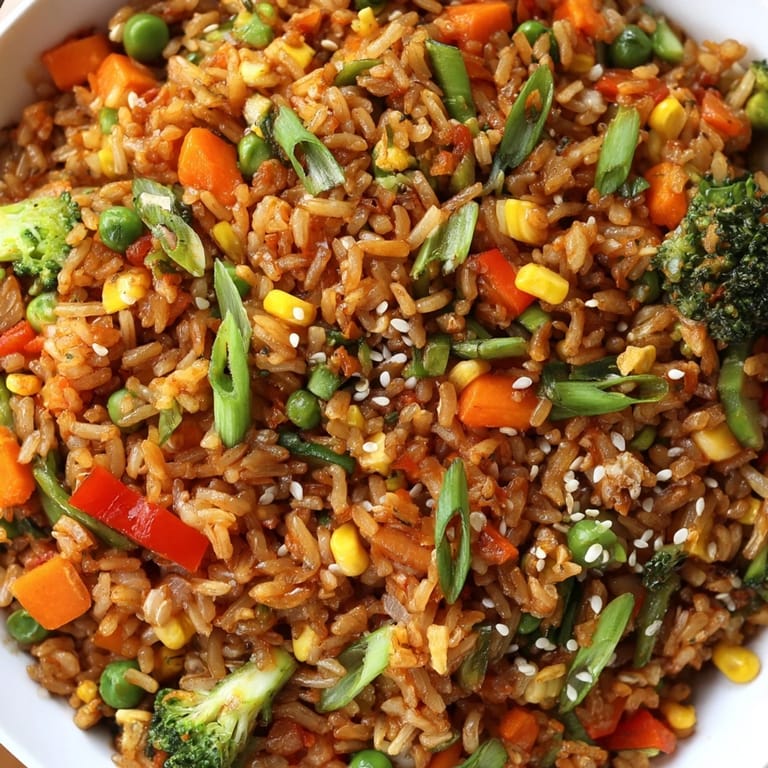
- 3 cups cooked jasmine or long-grain rice: Day-old rice is non-negotiable here because freshly cooked rice turns into mush in the wok. The grains dry out overnight which creates those perfect separate fluffy pieces that soak up sauce without becoming gummy.
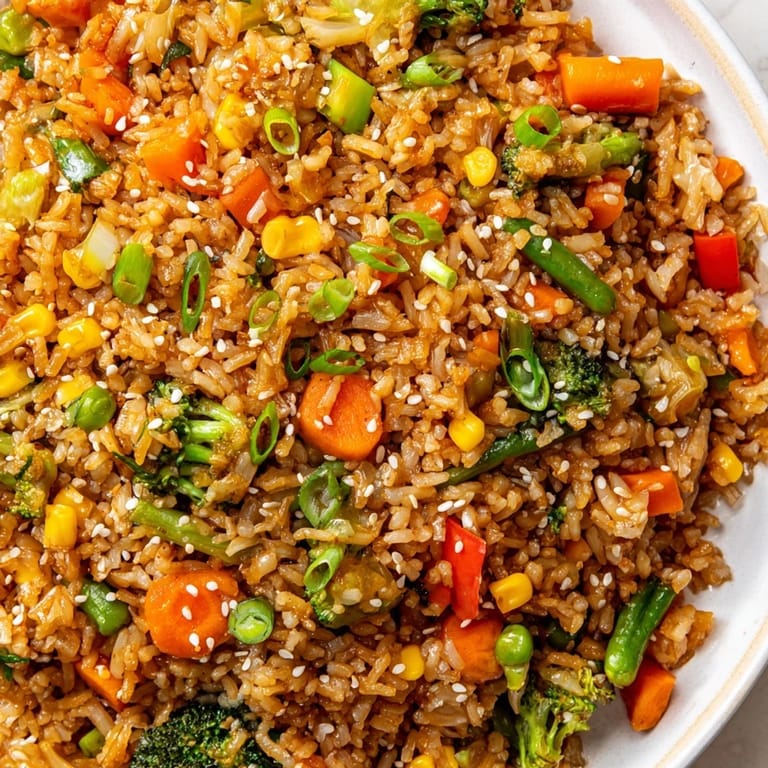
- 1 cup carrots, diced: These add natural sweetness and a satisfying crunch that holds up during high-heat cooking. Cut them small so they cook through evenly.
- 1 cup bell pepper, diced: Any color works but red or yellow bring beautiful brightness against the rice. They cook quickly so keep the pieces uniform.
- 1 cup frozen peas, thawed: Frozen peas actually work better than fresh here because they blanch during freezing and stay sweet and tender. Thaw them first so they do not cool down your wok.
- 1 cup broccoli florets, small: Cut these into bite-sized pieces so they cook in the same time as the other vegetables. They add a nice texture contrast.
- 1/2 cup sweet corn kernels: Fresh corn, frozen corn, or even leftover corn on the cob cut off the cob all work. The sweetness pops against the salty soy sauce.
- 1/2 cup green beans, chopped: These add a fresh snap and beautiful color. Trim the ends and cut them into pieces about the same size as your other vegetables.
- 3 green onions, sliced: Use both the white and green parts but save the prettiest green slices for garnish. The white bits add mild onion flavor while cooking.
- 2 cloves garlic, minced: Fresh garlic makes all the difference. Do not use jarred minced garlic which can taste bitter. Mince it finely so it distributes evenly.
- 1-inch piece ginger, minced: Peel it with a spoon to avoid wasting the aromatic flesh underneath. Grating it works too but mincing gives you little bursts of ginger flavor throughout.
- 3 tbsp soy sauce: This is your primary seasoning. Use tamari if you need it gluten-free but regular soy sauce has that perfect fermented depth.
- 1 tbsp sesame oil: Toasted sesame oil is intensely flavorful so a little goes a long way. Add it at the end to preserve its delicate aroma.
- 1 tbsp vegetable oil: You need a neutral oil with a high smoke point for the actual cooking. Canola or sunflower oil both work beautifully.
- 1 tsp toasted sesame seeds, optional: These add a lovely nutty crunch and visual appeal. Toast them in a dry pan for 30 seconds first to wake up their flavor.
- 1/2 tsp white pepper or black pepper: White pepper is traditional in Asian cooking for its clean heat but black pepper works perfectly fine if that is what you have.
- Salt, to taste: You might not need any since soy sauce is quite salty but taste at the end to be sure. Some soy brands are saltier than others.
Tired of Takeout? 🥡
Get 10 meals you can make faster than delivery arrives. Seriously.
One email. No spam. Unsubscribe anytime.
Instructions
- Heat your wok or skillet:
- Warm the vegetable oil in a large wok or deep skillet over medium-high heat until it shimmers. You want the oil hot enough that a vegetable sizzles immediately when it hits the pan.
- Build your aromatic base:
- Add the minced garlic and ginger to the hot oil. Sauté for about 30 seconds until fragrant but watch carefully like a hawk because garlic goes from golden to burned in seconds.
- Add the hard vegetables first:
- Toss in the carrots, bell pepper, broccoli, green beans, and corn. Stir-fry for 3 to 4 minutes until the vegetables are just tender but still have some crunch. They will continue cooking slightly when you add the rice.
- Introduce the quick-cooking vegetables:
- Stir in the thawed peas and most of your sliced green onions. Save a handful of the greenest slices for garnish. Cook for just 1 minute to wilt the onions slightly.
- Crank up the heat and add the rice:
- Increase the heat to high and add your cold cooked rice. Use your spatula to break up any clumps as you toss. Stir-fry for 2 to 3 minutes until the rice is heated through and starting to develop golden spots.
- Season everything:
- Drizzle the soy sauce and sesame oil evenly over the rice. Sprinkle with the pepper. Toss everything together thoroughly so each grain of rice gets coated in seasoning.
- Taste and adjust:
- Taste a bite of rice and decide if it needs more salt or soy sauce. Remember you can always add more but you cannot take it back so start modest.
- Finish and serve:
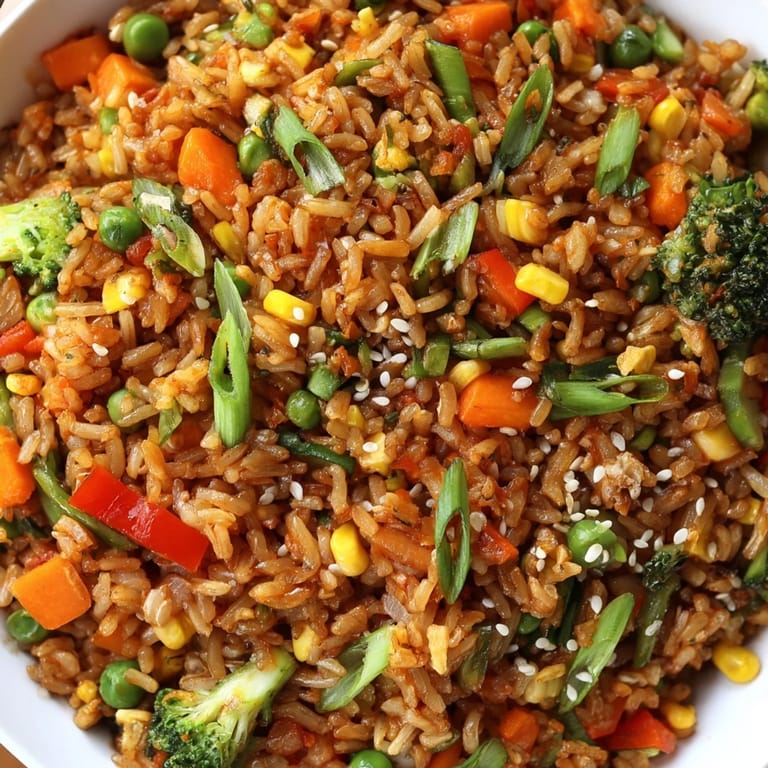
- Remove from heat immediately. Scatter the reserved green onions and sesame seeds over the top if using. Serve hot while the vegetables are still vibrant and the rice is steaming.
 Save to Pinterest
  Save to Pinterest
 This recipe traveled with me from that first drafty apartment to dinner tables across three cities. It has fed exhausted roommates, celebrated small promotions, and comforted friends through heartbreak. Simple food has a way of becoming something more.
The Rice Secret
After years of making fried rice with mixed results I finally understood why restaurant rice always tastes better. They spread cooked rice on baking sheets and refrigerate it uncovered for several hours or overnight. This dries the surface of each grain so they fry up individually rather than clumping together. If you forget to plan ahead you can spread fresh-cooked rice on a sheet pan and freeze it for 20 minutes which helps somewhat.
Building Your Wok Skills
You do not need a traditional wok to make excellent fried rice at home. A large deep skillet or even a Dutch oven works beautifully as long as it can hold heat well. The real secret is cooking in small batches if you are doubling the recipe. Overcrowding the pan drops the temperature too fast and you end up steaming everything instead of stir-frying. Better to make two batches than one giant disappointing pan.
Making It Your Own
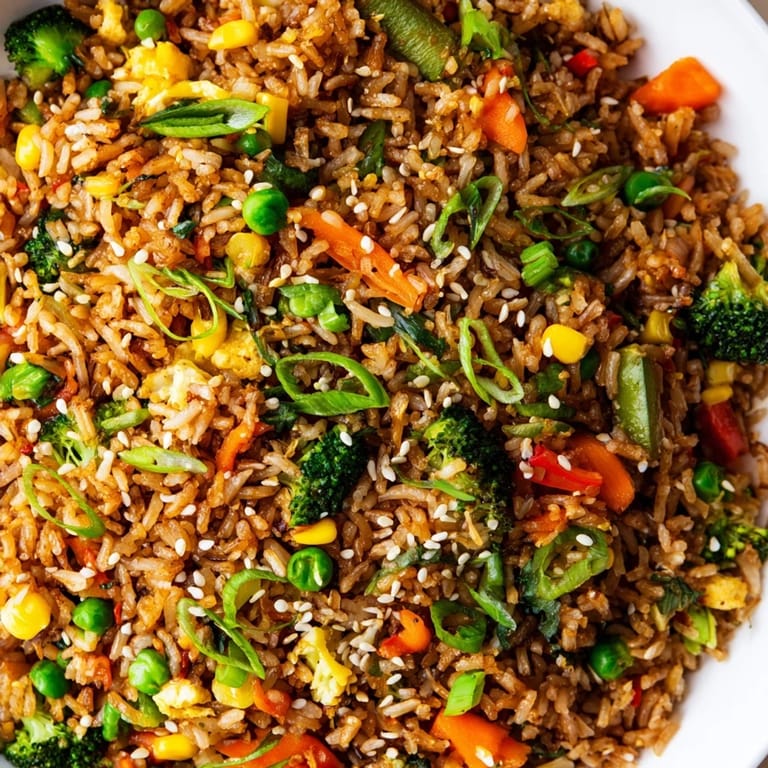
Once you master the basic technique you will start seeing possibilities everywhere. That half bag of frozen mixed vegetables, the lonely zucchini in the crisper, even leftover roasted vegetables from dinner last night can all find new life in fried rice. The formula stays the same but the combinations become endless.
- Crack an egg into the hot pan before adding the rice and scramble it quickly for protein and richness
- Add cubed tofu or leftover cooked chicken in the last few minutes of cooking to warm through
- Finish with a squeeze of fresh lime juice and a handful of cilantro for a bright fresh finish
 Save to Pinterest
  Save to Pinterest
 Some of the best meals start with leftovers and a little imagination. This fried rice has been feeding me for years and I hope it finds a permanent place in your kitchen rotation too.
Recipe FAQs
- → Why use day-old rice for fried rice?
Day-old refrigerated rice has dried out slightly, which prevents it from becoming mushy during stir-frying. Freshly cooked hot rice contains too much moisture and can turn gummy when tossed in the wok.
- → Can I use freshly cooked rice?
Yes, spread freshly cooked rice on a baking sheet and refrigerate for at least 2-3 hours to dry and cool completely. This helps achieve the proper texture for successful fried rice.
- → What vegetables work best in fried rice?
Carrots, bell peppers, broccoli, peas, corn, and green beans are excellent choices. You can also add mushrooms, zucchini, snap peas, or baby corn based on personal preference and what's available.
- → How do I prevent rice from sticking to the wok?
Use a well-seasoned wok or non-stick skillet, ensure it's properly heated before adding oil, and keep the rice moving constantly while cooking. Cold, separated rice grains also help prevent sticking.
- → Can I make this dish protein-rich?
Absolutely. Add scrambled eggs, cubed tofu, edamame, or cooked chicken, shrimp, or beef. Incorporate protein during step 4 before adding the rice, or use pre-cooked proteins when tossing everything together.
- → Is this dish gluten-free?
Simply substitute regular soy sauce with tamari or certified gluten-free soy sauce. Check all other ingredients, especially pre-mixed seasonings, to ensure they meet your dietary requirements.