 Save to Pinterest
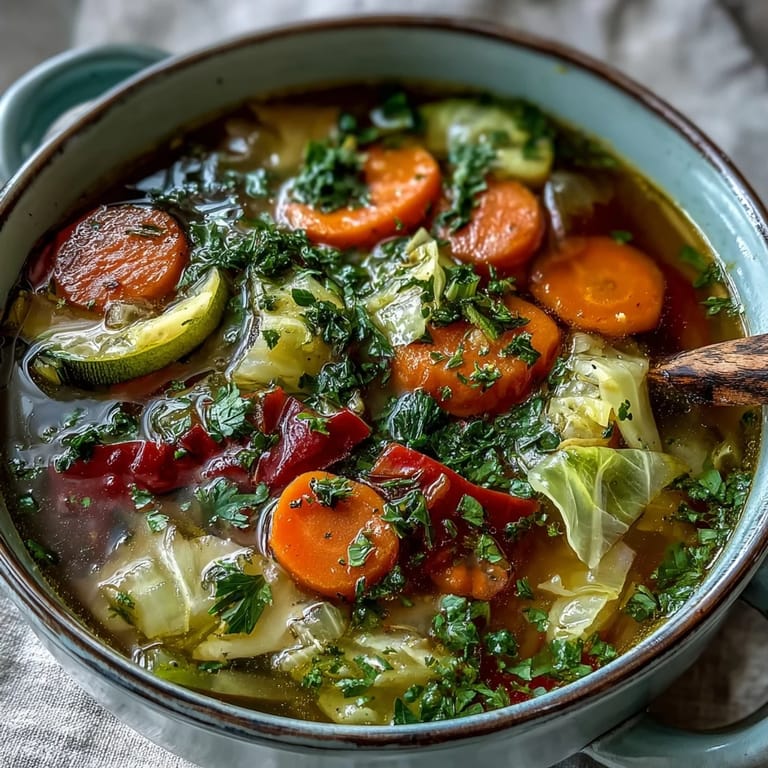
 There's something about a pot of cabbage soup simmering on the stove that shifts the whole energy of a kitchen. I wasn't always a soup person—I thought it was just hot water with vegetables floating around—but one particularly gray afternoon, I chopped up whatever was left in my vegetable drawer and let it bubble away while I caught up on work. By the time the smell reached my desk, I understood why people wrote poetry about simple things like this.
I made this for my mom during one of those weeks when everything felt overwhelming, and she sat at my kitchen table eating it straight from the pot while telling me about her day. She didn't say thank you—she just asked for seconds, and somehow that said everything. Now whenever I make it, I think about how the simplest meals are often the ones that matter most.
Ingredients
- Green cabbage (1 small head, about 700 g): The backbone of this soup—when you chop it, the kitchen fills with this fresh, almost peppery smell that tells you something good is about to happen.
- Carrots (2 medium): They bring natural sweetness and stay pleasantly firm if you don't overcook them, so slice them a bit thicker than you think you need to.
- Celery stalks (2): This is the secret ingredient nobody talks about; it adds a depth that makes people ask what your secret is.
- Onion (1 medium): Dice it small—those little pieces distribute the savory flavor throughout every spoonful.
- Garlic (3 cloves): Mince it fine and cook it just until fragrant; burnt garlic tastes bitter, so watch it closely.
- Red bell pepper (1): The pop of color matters as much as the flavor, and it softens beautifully during simmering.
- Diced tomatoes (400 g can): Canned tomatoes are actually better here than fresh—they're packed at peak ripeness and add acidity that brightens everything.
- Zucchini (1 small, optional): Add this only if you want extra substance; it soaks up the broth like a sponge.
- Vegetable broth (1.5 liters): Use low-sodium so you control the saltiness; this is where the soup's body comes from.
- Olive oil (1 tablespoon): Good oil makes a difference—not the fancy stuff, just something you actually like tasting.
- Dried thyme (1 teaspoon): It adds an earthy note that ties all the vegetables together.
- Dried oregano (1 teaspoon): This gives the soup a gentle warmth without being aggressive.
- Black pepper and salt: Taste as you go because every broth is different, and you want to season to your preference, not the recipe's.
- Chili flakes (1/4 teaspoon, optional): Just a whisper of heat if you want it; some days you do, some days you don't.
- Lemon juice (from 1/2 lemon, optional): A squeeze at the end wakes everything up and makes it taste fresher.
- Fresh parsley (for garnish): Chop it right before serving so it stays green and vibrant on top.
Tired of Takeout? 🥡
Get 10 meals you can make faster than delivery arrives. Seriously.
One email. No spam. Unsubscribe anytime.
Instructions
- Start with the foundation:
- Heat your olive oil in a large pot over medium heat, then add the onion, carrots, and celery. Let them sit for about five minutes, stirring occasionally, until they soften a bit around the edges. You'll know it's working when your kitchen smells like someone cares about dinner.
- Wake up the garlic:
- Stir in your minced garlic and cook for just one minute—you want it fragrant but not brown. This is the moment where the smell changes and becomes something irresistible.
- Add the color and texture:
- Toss in the bell pepper, zucchini if you're using it, and all that chopped cabbage. Sauté for about three to four minutes, letting everything soften slightly and marry together in the oil.
- Build the broth:
- Pour in your canned tomatoes and vegetable broth, then add the thyme, oregano, black pepper, salt, and chili flakes if you want a little kick. Stir everything together so nothing sticks to the bottom.
- Let it simmer:
- Bring the pot to a boil first, then lower the heat, cover it, and let it bubble gently for twenty-five to thirty minutes. The vegetables will become tender and the flavors will soften into something cohesive and warm.
- Taste and adjust:
- Before you serve it, taste a spoonful and decide if it needs more salt, pepper, or that squeeze of lemon juice to brighten it up. Trust your palate more than the recipe at this point.
- Serve it simply:
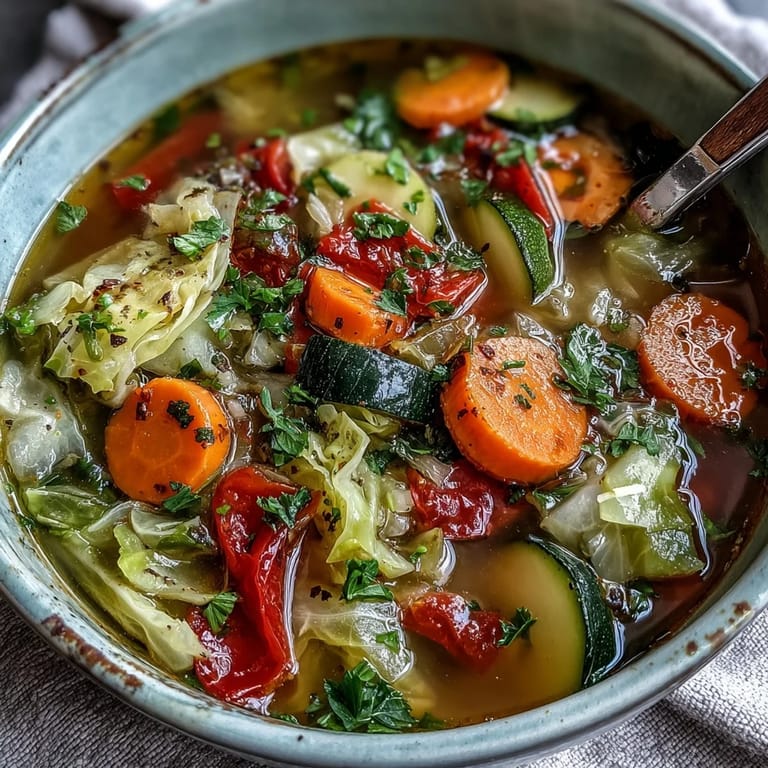
- Ladle the soup into bowls and finish with a scatter of fresh parsley on top. Hot bread on the side is never a bad idea.
 Save to Pinterest
 The best part of making this soup is that moment when you sit down with a bowl and realize you've created something that's good for your body and makes you happy at the same time. That's not luck; that's actually the definition of a recipe worth keeping.
How to Make It Your Own
This soup is a canvas, which is exactly why it works so well. I've made it with kale instead of cabbage on nights when I wanted something heartier, and I've thinned it out with extra broth when I wanted something that felt lighter. The vegetables don't have to be exact—if you have fennel in your crisper drawer, throw it in. If you don't have red pepper, orange works just as well. The only thing I always keep is the cabbage and the broth base because those are what make it soup instead of just warm vegetables.
Storage and Reheating
Leftovers actually taste better because everything has had time to settle and know each other properly. Store it in an airtight container in the refrigerator for up to four days, or freeze it in portions if you want to pull it out weeks later when you need something warming and familiar. To reheat, just warm it gently on the stove with a splash of water if it's gotten too thick.
Variations That Actually Work
Once you understand how this soup works, you start seeing possibilities everywhere. Add white beans or chickpeas in the last few minutes if you want more protein, or stir in fresh spinach or kale right before serving so it stays bright and textured. Some mornings I add a drizzle of good olive oil and a squeeze of lemon juice to make it feel special, and other times I just eat it plain because that's what the day needs.
- For a creamier version without dairy, stir in a splash of coconut milk at the end.
- Add diced potatoes if you want something that feels more like a full meal.
- A handful of fresh herbs stirred in at the end—basil, cilantro, dill—completely changes the personality of the soup.
 Save to Pinterest
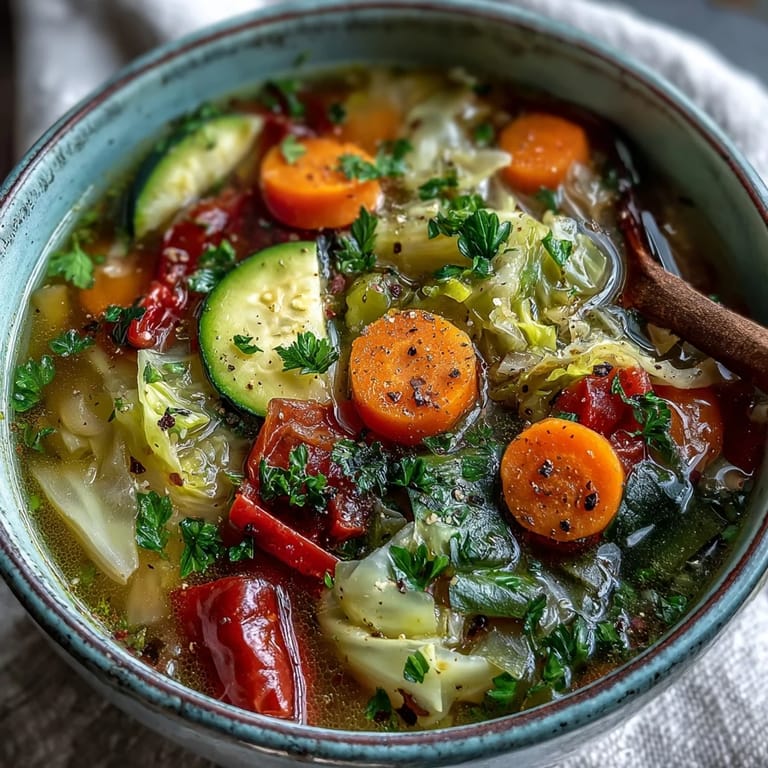
 This is the kind of soup that makes you feel like you're taking care of yourself without any drama or effort. Make a pot this week and notice how good it feels to eat something simple and real.
Recipe FAQs
- → How long does this keep in the refrigerator?
Leftovers store well for up to 4 days in the refrigerator. The flavors actually improve overnight as the vegetables continue to meld with the broth and seasonings.
- → Can I freeze this for later?
Yes, this freezes beautifully. Allow to cool completely, then transfer to airtight containers or freezer bags. It will keep for up to 3 months. Thaw overnight in the refrigerator before reheating.
- → What can I add for more protein?
Stir in drained white beans, chickpeas, or lentils during the last 10 minutes of cooking. You can also add diced tofu or serve with a side of grilled chicken if not following a strictly plant-based diet.
- → Is this suitable for weight loss?
At just 85 calories per serving, this is an excellent choice for weight management. The high fiber content from vegetables helps you feel full while keeping calories low. It provides volume and nutrition without heaviness.
- → Can I use different vegetables?
Absolutely. Swap zucchini for yellow squash, add kale or spinach in the last 5 minutes, or include green beans. The base of cabbage, carrots, celery, and onion provides the foundation, but other vegetables work well too.
- → How do I make it more filling?
Serve with a slice of whole-grain bread, add cooked grains like rice or quinoa directly into the soup, or incorporate protein-rich beans. A dollop of plain yogurt or a drizzle of olive oil before serving also adds satiety.