 Save to Pinterest
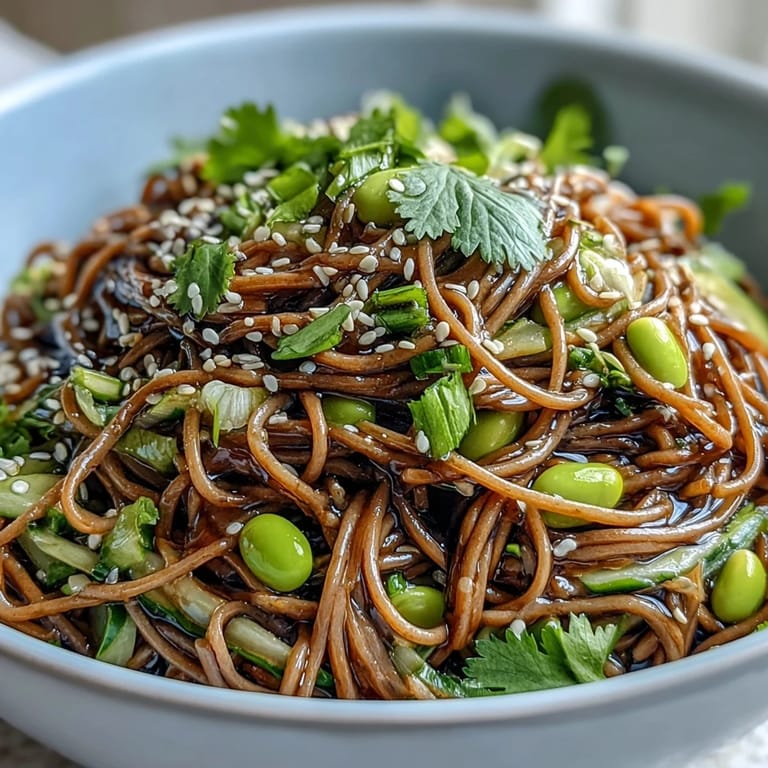
 My kitchen window was open when I first pulled cold soba noodles from the colander, and the sound of rain mixed with the sizzle of sesame oil hitting the bowl. I wasn't trying to make anything impressive, just something that felt clean and bright after a long week. The noodles slipped through my fingers, cool and slick, and I realized I'd been craving exactly this kind of simplicity. It wasn't until my neighbor leaned over the fence and asked what smelled so good that I understood how much flavor can hide in something so light. That bowl became my reset button.
I made this for a friend who swore she didn't like cold noodles, and she finished her bowl before I'd even sat down. She kept asking what was in the dressing, convinced there was some secret ingredient she couldn't name. It was just tahini, ginger, and a little honey, but the way they melted together made it taste like something you'd order at a tiny restaurant with no menu. We ended up eating on the porch with our feet up, and she told me later it was the first time she'd felt calm all month. Food like this doesn't need an occasion.
Ingredients
- Dried soba noodles: Look for noodles that are at least 80% buckwheat for that earthy, nutty flavor and chewy bite that holds up to the dressing.
- Shelled edamame: Fresh or frozen both work beautifully, just make sure to blanch them long enough to bring out their sweetness without turning them mushy.
- Cucumber: Julienne it thin so it tangles with the noodles and adds that crisp, hydrating crunch in every forkful.
- Carrots: Peeling them into ribbons or matchsticks gives you pops of color and a slight earthiness that balances the bright dressing.
- Scallions: Slice them on a sharp angle for visual appeal and a mild onion bite that doesn't overpower the other vegetables.
- Toasted sesame seeds: These little seeds add a nutty crunch and a toasted aroma that makes the whole bowl feel finished.
- Fresh cilantro or mint: Optional, but a handful of torn leaves brings a burst of freshness that wakes up the dish.
- Soy sauce: The backbone of the dressing, it adds deep umami and saltiness that ties everything together.
- Rice vinegar: This gentle acidity brightens the dressing without making it sharp or aggressive.
- Toasted sesame oil: A little goes a long way, coating your mouth with rich, nutty warmth that lingers after each bite.
- Tahini: It adds body and creaminess to the dressing and a subtle sesame depth that feels luxurious.
- Honey: Just enough sweetness to balance the salty and tangy notes without making the dressing taste like dessert.
- Fresh ginger: Grate it finely so it melts into the dressing and adds that bright, spicy warmth.
- Garlic: One small clove minced fine gives the dressing a quiet punch without screaming garlic breath.
Tired of Takeout? 🥡
Get 10 meals you can make faster than delivery arrives. Seriously.
One email. No spam. Unsubscribe anytime.
Instructions
- Cook the soba:
- Boil the noodles according to the package time, usually around 5 minutes, then drain and rinse them under cold water until they stop steaming. This stops the cooking and washes away excess starch so they stay slippery and separate.
- Blanch the edamame:
- Drop them into boiling water for 2 to 3 minutes until they're bright green and tender, then drain and let them cool. If using frozen, they'll need the full 3 minutes to heat through.
- Make the dressing:
- Whisk together soy sauce, rice vinegar, sesame oil, tahini, honey, ginger, and garlic in a small bowl until it's smooth and glossy. Add a tablespoon of water if it's too thick to drizzle.
- Prep the vegetables:
- Julienne the cucumber and carrots into thin matchsticks, and slice the scallions on a diagonal. Keep them all in separate piles so you can arrange the bowls with intention.
- Toss the noodles:
- In a large bowl, toss the cooled soba with half the dressing, making sure every strand is lightly coated. This step ensures the noodles are flavorful on their own, not just dressed on top.
- Assemble the bowls:
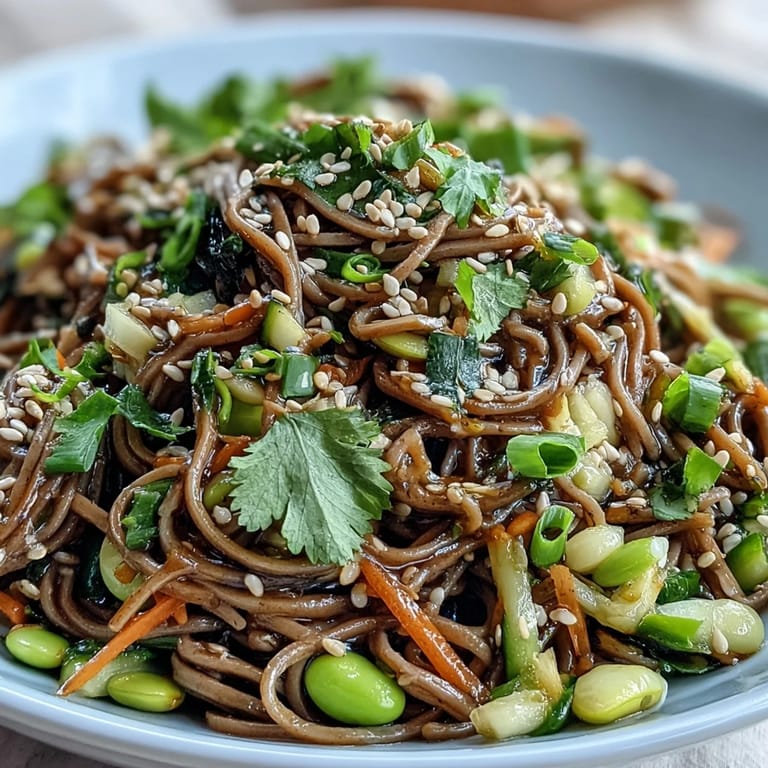
- Divide the noodles among four bowls, then arrange the edamame, cucumber, carrots, and scallions on top in colorful sections. Drizzle the remaining dressing over everything and finish with sesame seeds and herbs.
- Serve:
- Serve immediately while the vegetables are still crisp and the noodles are cool. You can also chill the whole bowl for 30 minutes if you want it extra refreshing.
 Save to Pinterest
 One summer evening, I packed this into mason jars and brought it to a potluck where everyone else had brought hot casseroles and heavy pastas. By the end of the night, my jars were empty and three people had asked me to text them the recipe. It wasn't fancy, but it was exactly what people wanted when the air was thick and the sun hadn't set yet. That's when I realized this dish had a quiet power, it didn't compete, it refreshed.
Making It Your Own
I've swapped in snap peas when I couldn't find edamame, and once I used shredded red cabbage because that's all I had left in the crisper. The dressing is forgiving enough to handle different vegetables, and sometimes the unplanned versions end up being the ones I crave most. If you want more protein, a soft-boiled egg with a jammy yolk or some grilled tofu cubes turn this into a full meal. I've also added thinly sliced radishes for a peppery bite and bell peppers for sweetness, and both worked beautifully.
Storing and Serving
This bowl keeps well in the fridge for up to two days, though the vegetables will soften slightly and release some moisture. I like to store the noodles and vegetables together but keep extra dressing on the side to freshen things up before serving. If you're packing it for lunch, layer the noodles on the bottom, vegetables in the middle, and dressing in a small container to pour over right before eating. It tastes just as good cold, maybe even better, because the flavors have had time to soak in.
What to Serve Alongside
I usually pour myself a glass of iced green tea or something light and citrusy, like a sparkling yuzu drink, to keep the meal feeling clean and bright. If you want something more substantial on the side, a small plate of pickled vegetables or a miso soup works without weighing you down. Sometimes I'll set out a bowl of extra sesame seeds and chili oil so people can adjust the heat and crunch to their liking.
- Chilled green tea or a crisp white wine like riesling pairs beautifully.
- Pickled ginger or quick-pickled cucumbers add a tangy contrast.
- A side of miso soup keeps it traditional and comforting.
 Save to Pinterest
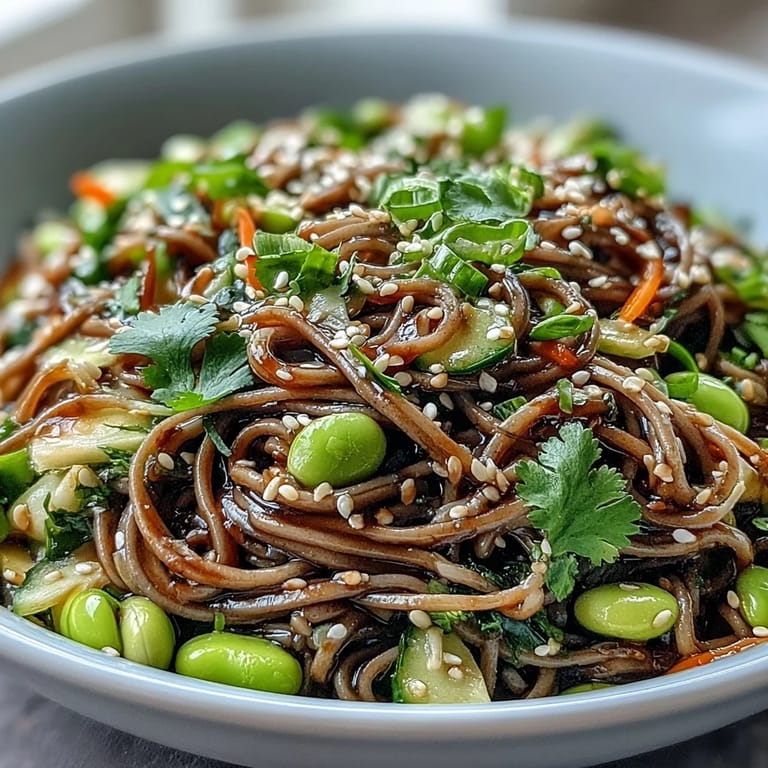
 This bowl has become my answer to the question of what to make when I want something nourishing but not heavy, flavorful but not loud. It never fails to make me feel like I've taken care of myself, even on the days when that feels like too much to ask.
Recipe FAQs
- → Can I make this bowl gluten-free?
Yes. Choose 100% buckwheat soba noodles and replace soy sauce with tamari. Always verify labels as many soba blends contain wheat flour.
- → How long do leftovers keep?
Store components separately in airtight containers for up to 3 days. Keep dressing apart and toss just before serving to maintain texture.
- → What vegetables work best?
Julienne cucumbers, carrots, and scallions provide classic crunch. Try snap peas, bell peppers, radishes, or shredded cabbage for seasonal variety.
- → Can I add more protein?
Grilled tofu, baked tempeh, shredded chicken, or soft-boiled eggs make excellent additions. Edamame already provides 13g protein per serving.
- → What makes the dressing special?
The combination of toasted sesame oil, tahini, rice vinegar, and fresh ginger creates creamy, tangy, aromatic flavors that perfectly coat the buckwheat noodles.
- → Should soba noodles be rinsed?
Always rinse cooked soba under cold water to remove excess starch. This prevents sticking and cools the noodles for this chilled preparation.