 Save to Pinterest
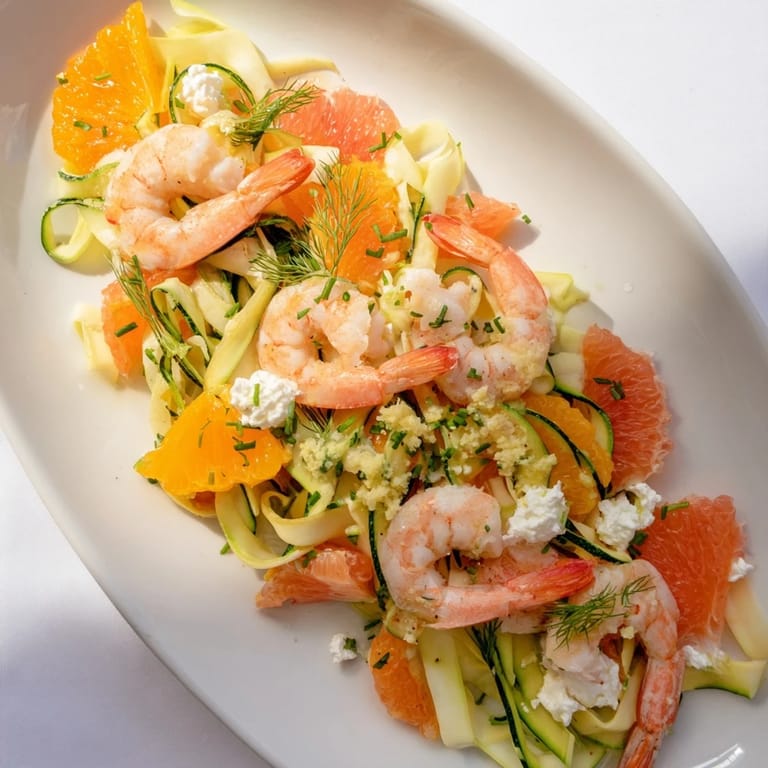
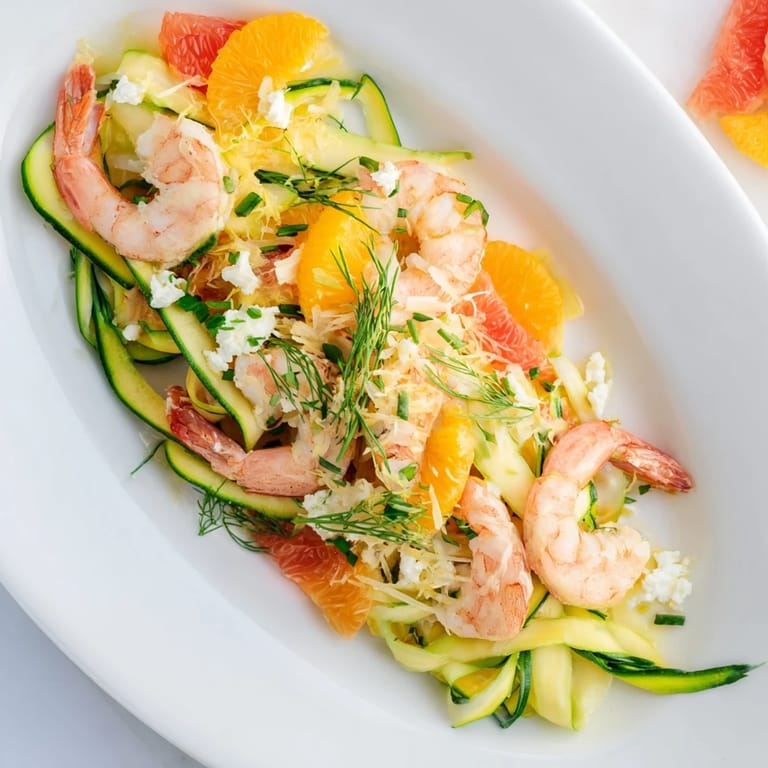
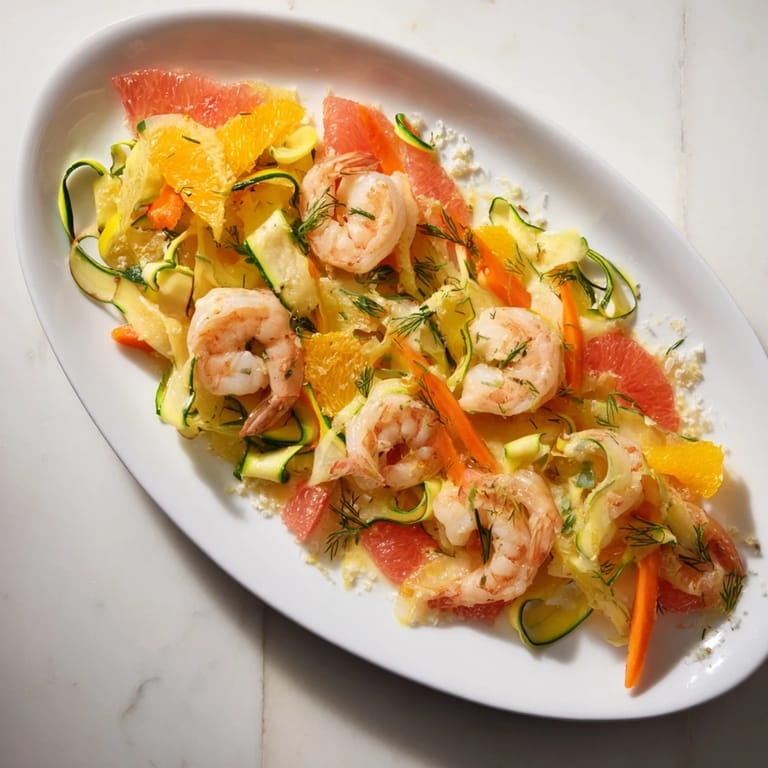
 The first time I served this dish, my dinner guest actually gasped—not at the taste, but at how it looked on the platter. Those pink shrimp nestled among ribbons of zucchini and citrus segments really did resemble a vibrant coral reef, and I realized right then that sometimes the most memorable meals are the ones that feel like edible art. It happened on a whim, honestly, when I had beautiful shrimp and a surplus of citrus, and I wanted to create something that felt both elegant and playful.
I made this for a small gathering last summer when the heat had everyone craving something fresh but substantial. Someone asked if I'd been to culinary school—I hadn't, and I told them so while laughing—but watching people lean in to take another bite, their forks moving slowly to appreciate every layer, made me understand why plating matters just as much as flavor.
Ingredients
- Large pink shrimp, peeled and deveined (500 g): Look for shrimp that are firm and smell like the ocean, not ammonia; deveining them yourself takes an extra two minutes but ensures restaurant-quality results.
- Medium oranges, segmented plus zest (2): Use a paring knife to cut between the membranes, letting the segments fall into a bowl with their juice—this prevents bruising and captures every drop of flavor.
- Small pink grapefruit, segmented (1): The tartness here balances the richness of the cheese and shrimp beautifully, but if you find grapefruit too intense, pink lady apples work in a pinch.
- Lemon juice (1 lemon's worth): Fresh lemon is essential here; bottled juice will give you a flat, chemical taste that undermines the whole dish.
- Gruyère cheese, grated (120 g): Grate it yourself right before cooking so it melts evenly and bubbles instead of turning greasy or clumpy.
- Ricotta cheese (50 g): The ricotta acts like little clouds of creaminess that contrast with everything else; don't skip it even though it seems like a small amount.
- Small zucchini, thinly sliced into ribbons (1): Use a mandoline or vegetable peeler to create those delicate ribbons that feel substantial but still light.
- Small carrot, julienned (1): The orange-gold color adds to the coral reef effect, and a quick steam keeps them tender without turning them mushy.
- Fresh chives, finely chopped (1 tbsp): Chives add a gentle onion whisper and bright green, but if you don't have them, dill alone is just as lovely.
- Fresh dill, torn (1 tbsp): Tear it by hand rather than chopping so you don't bruise the delicate leaves and lose their anise-like fragrance.
- Olive oil (2 tbsp): Use good-quality extra virgin oil for finishing; the fruity notes complement the citrus and shrimp beautifully.
- Salt and freshly ground black pepper: Taste as you go because the shrimp and cheese are both naturally salty, so you may need less than you think.
Tired of Takeout? 🥡
Get 10 meals you can make faster than delivery arrives. Seriously.
One email. No spam. Unsubscribe anytime.
Instructions
- Heat your broiler and prepare your canvas:
- Turn your oven broiler to high and position a rack about 4 inches from the heat source. Have your oven-safe serving platter ready nearby—you'll want to work quickly once the cheese goes in.
- Season and sauté the shrimp:
- Toss the shrimp with a tablespoon of olive oil, lemon juice, salt, and pepper in a bowl, letting them sit for a minute so they absorb the flavor. Heat your skillet over medium-high heat until a droplet of water sizzles on contact, then add the shrimp and let them cook undisturbed for about two minutes per side—you're looking for that just-set, barely opaque appearance.
- Brighten the citrus:
- While the shrimp cooks, toss your orange and grapefruit segments gently with the orange zest and a tiny pinch of salt in a separate bowl. This brings out their natural sweetness and helps them meld together as a flavor unit.
- Build the vegetable foundation:
- Steam your zucchini ribbons and carrot strips for just 1 to 2 minutes—they should still have a gentle resistance when you bite them, not be limp. Arrange them on your platter in loose, colorful patches, as if you're painting an underwater landscape.
- Layer in the treasures:
- Nestle the sautéed shrimp among the vegetables, then scatter the citrus segments around, creating pockets of color and contrast. Don't overthink the arrangement; some of the most beautiful plates look effortlessly scattered.
- Crown it with cheese and ricotta:
- Sprinkle the grated Gruyère evenly across the entire platter, making sure there are no bare spots, then dot small spoonfuls of ricotta here and there, nestling them slightly into the vegetables and cheese so they stay put under the broiler.
- Broil until bubbly and golden:
- Slide the platter under the broiler for 2 to 3 minutes, watching carefully—the cheese should bubble at the edges and turn light golden, while the ricotta softens and melts just slightly. Remove it the moment you see this happen, as another 30 seconds can turn golden into burnt.
- Finish and serve:
- Take the platter from the oven, let it cool for just 30 seconds so it doesn't burn your hands, then scatter the fresh chives and torn dill over the top and drizzle with the remaining olive oil. Serve immediately while the cheese is still bubbling and warm and everything else retains its freshness.
 Save to Pinterest
 What struck me most was when a friend who usually rushes through meals actually paused mid-bite and said something like, 'I can taste the ocean and the sun at the same time.' That's when I understood this dish isn't just about technique or presentation—it's about capturing a feeling, making people sit for a moment and really notice what they're eating.
Why This Dish Works as Theater
There's something about serving food directly on the platter at the table instead of plating individual portions that changes the whole energy of a meal. People naturally lean in, make choices about what they want, and there's this sense of abundance and sharing that feels generous. The coral reef theme isn't forced; it emerges naturally from the colors and textures, and guests often comment on it before they even taste anything, which means you've already won half the battle.
The Citrus Element
Citrus does something magical to seafood—it brightens it, makes it feel lighter, and adds this subtle acidity that makes your mouth water for another bite. The combination of orange and grapefruit gives you both sweetness and a gentle tartness, and that pink grapefruit especially adds a color that's almost too pretty to eat. I've found that the zest matters as much as the juice; it carries oils that regular segments don't, adding a whisper of intensity that keeps the whole dish from feeling one-dimensional.
Making It Your Own
The beauty of this recipe is that it's a framework, not a strict formula, and you can adapt it based on what looks good at your market or what your guests can eat. I've made it with scallops instead of shrimp on nights when I wanted something slightly sweeter, and once with thin slices of watermelon radish because I couldn't resist that color. The core idea—fresh vegetables, bright fruit, tender protein, melted cheese—holds everything together, and everything else is just variation on a theme.
- If you want more color, scatter pomegranate seeds or watermelon radish slices in the final arrangement for unexpected pops of jewel-tone.
- You can substitute the Gruyère with Emmental or even a good fresh mozzarella if you want a slightly different flavor profile.
- Pair it with a crisp Sauvignon Blanc or a dry rosé, and let your guests know they're tasting the sea and the garden in one bite.
 Save to Pinterest
 This dish has become my go-to when I want to impress without stress, because it proves that elegant food doesn't require hours or a complicated technique—just attention, good ingredients, and a willingness to let the colors and flavors speak for themselves. Every time I make it, I remember why I fell in love with cooking in the first place.