 Save to Pinterest
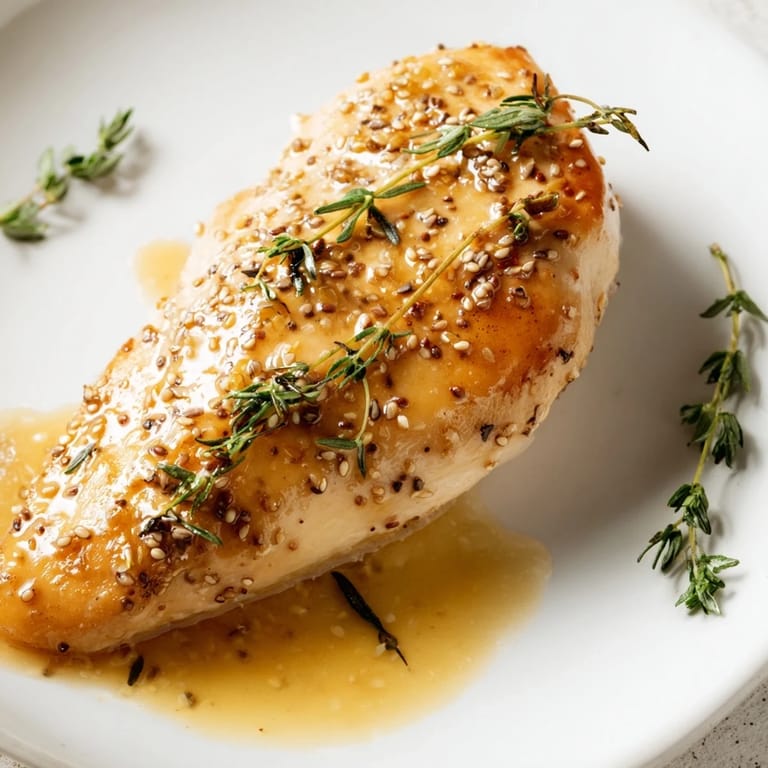
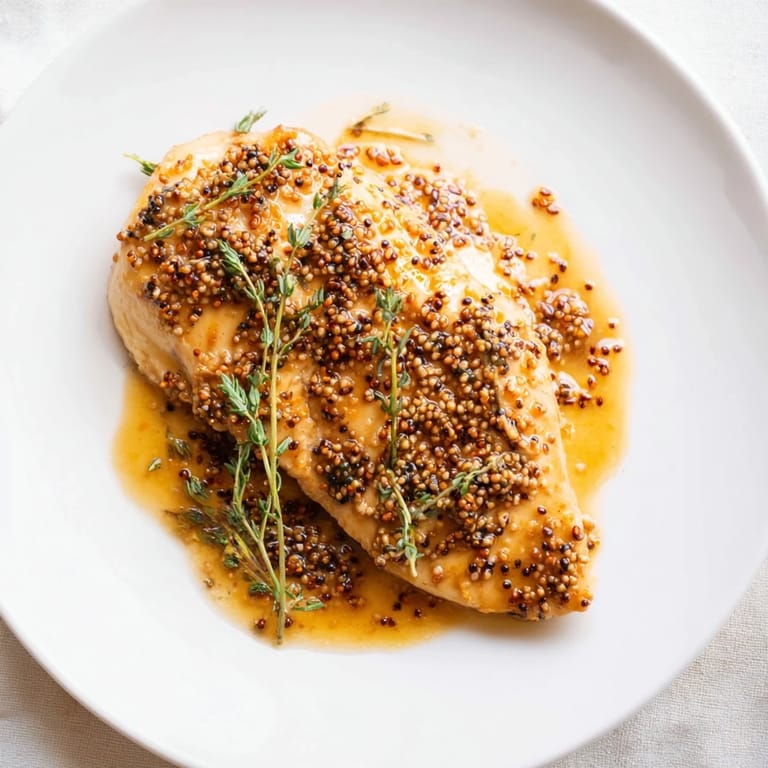
 A Tuesday evening turned golden when I realized I had chicken breasts thawing and a jar of Dijon mustard staring at me from the fridge door. I drizzled in some honey, tossed in garlic and herbs, and watched the sauce bubble into something that smelled like a French bistro had moved into my kitchen. My husband walked in, sniffed the air, and asked if we were celebrating something. We werent, but it felt like we should have been.
I made this for my sister when she came over exhausted from a long week, and she scraped her plate clean before looking up. She asked if I'd taken a cooking class or something, and I just laughed because it was honestly one of the easiest things I'd made all month. Sometimes the simplest recipes are the ones that make people feel cared for, and this one does exactly that.
Ingredients
- Boneless, skinless chicken breasts (about 1 and a half lbs): Pat them dry before seasoning so they sear properly and develop that beautiful golden crust.
- Dijon mustard (1/3 cup): This is the tangy backbone of the sauce, sharp and smooth, and it emulsifies beautifully with the honey.
- Honey (1/4 cup): Balances the mustard with a floral sweetness that caramelizes slightly as the sauce reduces.
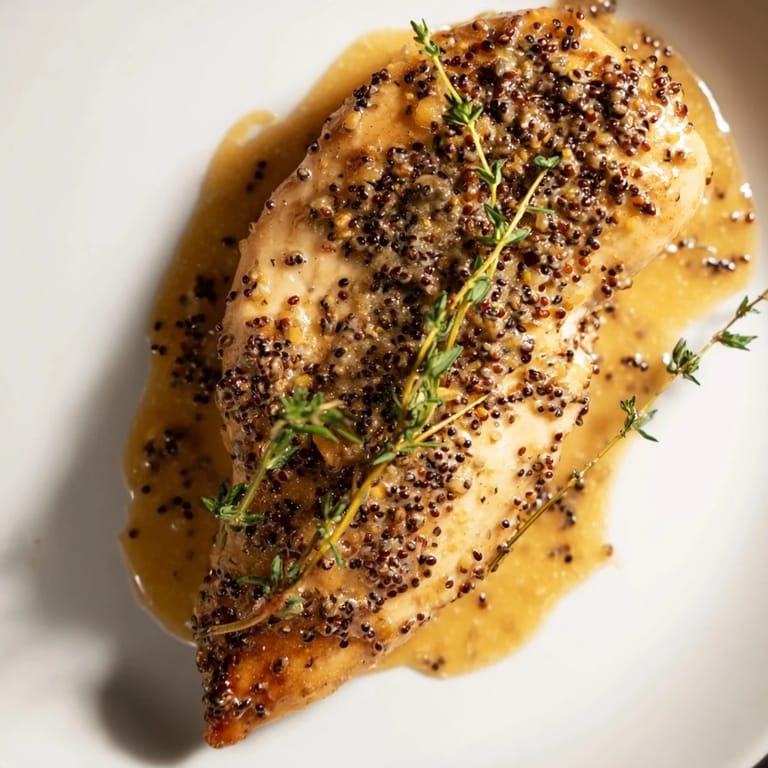
- Whole-grain mustard (2 tablespoons): Adds texture and a little pop of extra mustard flavor that makes the sauce more interesting.
- Garlic (3 cloves, minced): Blooms in the hot skillet and fills the kitchen with that unmistakable aroma that makes everyone wander in.
- Apple cider vinegar (1 tablespoon): Cuts through the richness and brightens the whole sauce with a gentle tang.
- Low-sodium chicken broth (1/2 cup): Thins the sauce just enough to coat the chicken and keep everything moist as it simmers.
- Fresh thyme leaves (1 teaspoon): Earthy and delicate, it pairs perfectly with chicken and mustard without overpowering anything.
- Fresh rosemary (1 teaspoon, finely chopped): A little goes a long way, adding a woodsy note that makes the dish feel warm and comforting.
- Kosher salt (1/2 teaspoon) and black pepper (1/4 teaspoon): Season the chicken generously before it hits the pan so every bite has flavor from the inside out.
- Olive oil (2 tablespoons): Use this to get a good sear on the chicken, creating fond in the pan that flavors the sauce.
- Fresh parsley (chopped, optional): A sprinkle at the end adds color and a fresh herbal note that brightens the whole plate.
Tired of Takeout? 🥡
Get 10 meals you can make faster than delivery arrives. Seriously.
One email. No spam. Unsubscribe anytime.
Instructions
- Season the Chicken:
- Pat the chicken breasts completely dry with paper towels, then season both sides with salt and pepper. Drying them first helps them sear instead of steam, which is the secret to that golden crust.
- Sear Until Golden:
- Heat olive oil in a large skillet over medium-high heat until it shimmers, then add the chicken breasts and sear for 3 to 4 minutes per side until deeply golden. Transfer them to a plate and dont worry if theyre not cooked through yet, theyll finish in the sauce.
- Bloom the Garlic:
- Reduce the heat to medium and add the minced garlic to the same skillet, stirring for about 30 seconds until it smells fragrant and toasty. Be careful not to let it burn or itll turn bitter.
- Build the Sauce:
- Stir in the Dijon mustard, whole-grain mustard, honey, apple cider vinegar, and chicken broth, whisking everything together until smooth. Bring it to a gentle simmer and watch it start to thicken slightly as the flavors meld.
- Add Herbs and Nestle the Chicken:
- Stir in the thyme and rosemary, then return the chicken breasts to the skillet and spoon the sauce over them. Cover with a lid and let everything simmer together for 10 to 12 minutes until the chicken reaches an internal temperature of 165 degrees F.
- Thicken and Finish:
- Remove the lid, increase the heat slightly, and let the sauce simmer uncovered for 2 to 3 minutes to thicken into a glossy glaze. Garnish with chopped parsley and serve hot.
 Save to Pinterest
 One evening I served this with buttery mashed potatoes, and my kids used their forks to drag every last bit of sauce across their plates. My youngest looked up and said it tasted like the fancy chicken from that restaurant we went to last summer. I didnt tell her it took me less than half an hour, I just smiled and filed that little moment away.
Serving Suggestions
This chicken begs to be paired with something that can soak up all that golden sauce. I love spooning it over fluffy white rice or creamy mashed potatoes, but it also shines next to roasted vegetables like green beans, carrots, or Brussels sprouts. A simple side salad with a tangy vinaigrette cuts through the richness beautifully, and crusty bread is never a bad idea when theres sauce involved.
Storage and Reheating
Leftovers keep well in an airtight container in the fridge for up to three days, and the flavors actually deepen overnight. Reheat gently in a skillet over low heat with a splash of broth or water to loosen the sauce, or microwave in 30-second intervals until warmed through. I've even sliced cold leftovers and tucked them into a wrap with greens and a smear of extra mustard, and it was delicious.
Variations and Swaps
If you prefer dark meat, swap in boneless skinless chicken thighs and increase the cooking time by a few minutes since thighs take a bit longer. For a creamier sauce, stir in a couple tablespoons of heavy cream or sour cream at the very end, which makes it luxuriously rich. You can also play with the herbs, fresh tarragon or sage would be lovely here, or add a pinch of red pepper flakes if you like a little heat.
- Try chicken thighs for a juicier, more forgiving result.
- Add a splash of white wine when building the sauce for extra depth.
- Toss in a handful of baby spinach during the last minute of cooking for some greens.
 Save to Pinterest
 This dish has become my go-to when I want something that feels special without the stress, and every time I make it, someone asks for the recipe. I hope it brings a little warmth and ease to your table too.
Recipe FAQs
- → How do I know when the chicken is fully cooked?
Use a meat thermometer to check that the internal temperature reaches 165°F (74°C) at the thickest part of the chicken breast. This ensures the chicken is safe to eat while remaining juicy. Typically, this takes 10-12 minutes of simmering in the sauce.
- → Can I use chicken thighs instead of breasts?
Absolutely. Chicken thighs are actually more forgiving and stay juicier. They're darker meat with more fat content, making them ideal for this style of cooking. Increase the simmering time to 15-18 minutes to ensure they cook through completely.
- → What can I serve with this chicken?
This pairs wonderfully with rice, mashed potatoes, egg noodles, or roasted vegetables like broccoli, carrots, and Brussels sprouts. The rich sauce complements starches and vegetables perfectly. You can also serve it over cauliflower rice for a lower-carb option.
- → How can I make the sauce creamier?
Stir in 2-3 tablespoons of heavy cream, sour cream, or Greek yogurt at the end of cooking after removing the skillet from heat. This creates a silky sauce that's luxurious without overwhelming the honey Dijon flavors. Adjust seasonings if needed after adding cream.
- → Is this truly gluten-free?
As written, yes, but verify your ingredients. Most Dijon mustards are gluten-free, but some brands may contain additives. Similarly, check your chicken broth label, as some contain gluten. Look for certified gluten-free products if you're avoiding gluten for dietary or allergy reasons.
- → Can I prepare this ahead of time?
You can prepare the sauce ingredients ahead and store them separately in the refrigerator. Sear the chicken and build the dish fresh for best results and texture. The cooked dish stores well in an airtight container for up to three days and reheats gently on the stovetop with a splash of broth.