 Save to Pinterest
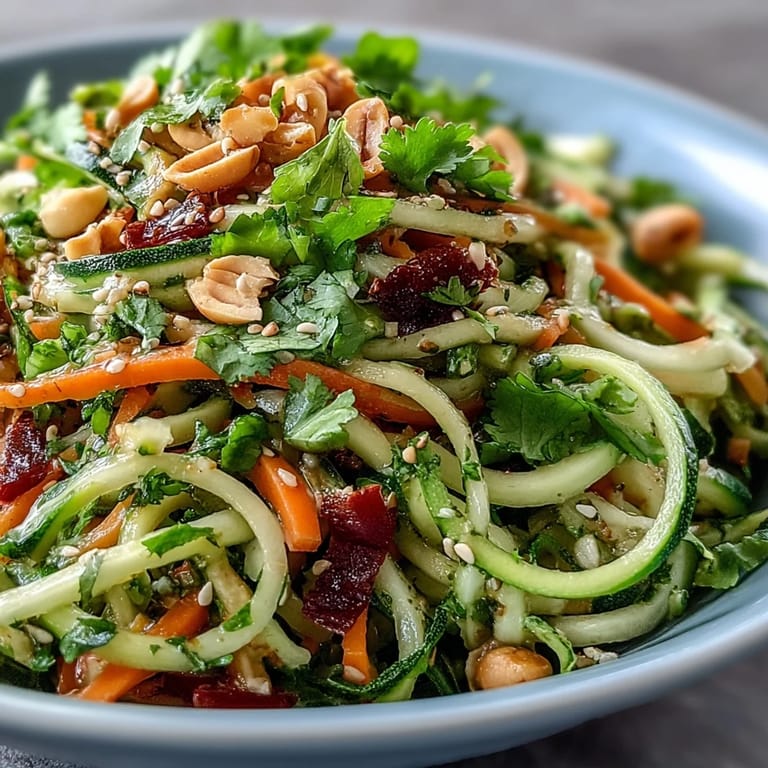
 I was cleaning out the vegetable drawer one spring afternoon when I realized I had a pile of produce that needed using fast. My spiralizer sat untouched in the cupboard, one of those gadgets I swore I'd use more often. I decided to throw caution to the wind and turn everything into noodles. What emerged was this wildly colorful tangle of vegetables that tasted even better than it looked, thanks to a punchy sesame-ginger dressing I whisked together from pantry staples.
The first time I made this for a potluck, people kept asking if I'd ordered it from a restaurant. I laughed because it was just vegetables I'd spiralized while listening to a podcast, nothing fancy. But something about the bright colors and that glossy, fragrant dressing made it feel special. One friend even took a photo before digging in, which never happens with salad.
Ingredients
- Zucchini: The spiralizer's best friend, zucchini creates tender, delicate noodles that soak up dressing beautifully without getting soggy if you serve it right away.
- Carrot: Adds a natural sweetness and a satisfying crunch that holds up well even after sitting in dressing for a bit.
- Red bell pepper: I slice this thin by hand for pops of color and a mild, sweet flavor that balances the sharper vegetables.
- Red cabbage: Provides texture and a gorgeous purple hue, plus it stays crisp longer than most other ingredients in this mix.
- Cucumber: Spiralize it for a refreshing, hydrating element, but remove the watery seeds first if your cucumber is especially juicy.
- Green onions: A sharp, fresh bite that weaves through every forkful without overpowering the milder vegetables.
- Cilantro: Love it or hate it, cilantro brings an herbal brightness that makes the whole salad feel alive.
- Toasted sesame oil: This is the soul of the dressing, rich and nutty, and a little goes a long way so don't skip toasting it if you buy raw sesame oil.
- Rice vinegar: Gentle acidity that doesn't compete with the sesame oil, just lifts everything up.
- Soy sauce or tamari: The salty, umami backbone of the dressing, and tamari keeps it gluten-free without sacrificing flavor.
- Fresh ginger: I grate mine on a microplane for the most intense, zesty flavor that tingles on your tongue.
- Maple syrup or honey: Just enough sweetness to round out the acidity and salt, creating balance in every bite.
- Garlic: One clove minced fine adds a subtle warmth that deepens the dressing without making it harsh.
- Lime juice: A squeeze of lime brightens the whole thing and keeps it tasting fresh and lively.
- Chili flakes: Optional but recommended if you like a gentle heat that builds as you eat.
- Sesame seeds: Toasted seeds add a nutty crunch and make the presentation look polished and intentional.
- Peanuts or cashews: Optional but they add richness and protein, plus a satisfying bite that makes this salad more filling.
Tired of Takeout? 🥡
Get 10 meals you can make faster than delivery arrives. Seriously.
One email. No spam. Unsubscribe anytime.
Instructions
- Prep Your Vegetables:
- Spiralize the zucchini, carrot, and cucumber, then slice the bell pepper and shred the cabbage as thin as you can manage. Toss everything into a large bowl along with the green onions and cilantro, and admire the rainbow you've just created.
- Whisk the Dressing:
- In a smaller bowl, combine the sesame oil, rice vinegar, soy sauce, grated ginger, maple syrup, garlic, lime juice, and chili flakes if using. Whisk it vigorously until it's smooth and emulsified, then taste and adjust if you want more tang, sweetness, or heat.
- Toss and Rest:
- Pour the dressing over the vegetables and use your hands or tongs to toss gently, making sure every noodle and ribbon gets coated. Let the salad sit for 5 to 10 minutes so the flavors can settle in and the vegetables soften just slightly.
- Garnish and Serve:
- Transfer the salad to a wide serving platter, then sprinkle with toasted sesame seeds and chopped nuts if you're using them. Add a little extra cilantro on top for color, and serve immediately while everything is still crisp and vibrant.
 Save to Pinterest
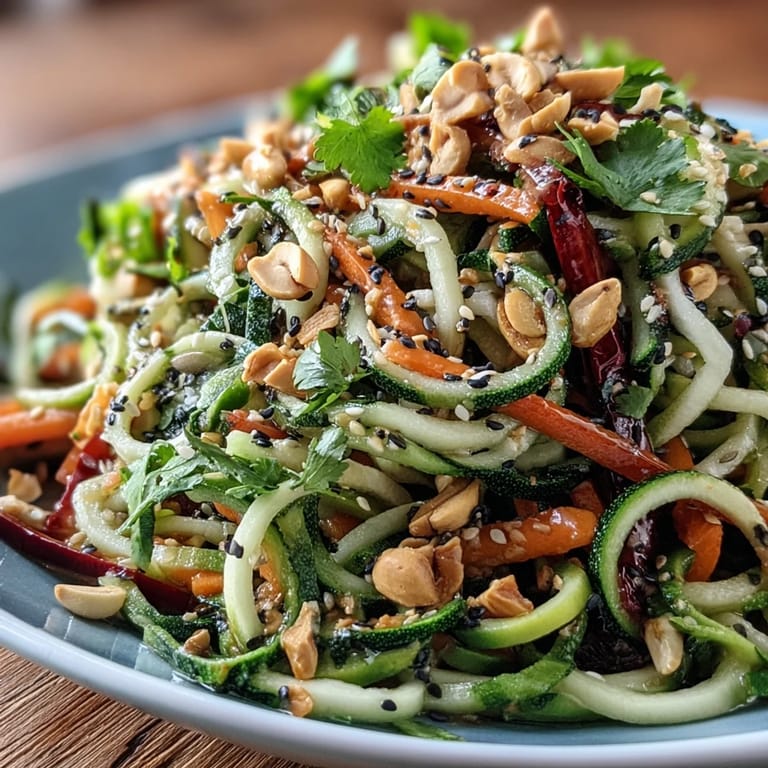
 One warm evening, I packed this salad into mason jars and brought it to a picnic by the river. We ate it straight from the jars with chopsticks, laughing as noodles dangled and sesame seeds scattered everywhere. It became our go-to summer dish after that, the kind of recipe that shows up at every outdoor gathering without anyone asking.
Making It Your Own
You can swap in any vegetable that spiralizes well, like yellow squash, daikon radish, or even raw beets if you don't mind a little pink staining. I've added cubes of baked tofu for extra protein, and edamame works beautifully too. If you want it heartier, serve it alongside grilled chicken, shrimp, or a piece of seared fish.
Storage and Leftovers
This salad is best eaten fresh, but if you have leftovers, store the undressed vegetables and dressing separately in the fridge. They'll keep for a day or two, and you can toss them together right before eating. Once dressed, the salad will soften within a few hours, so only dress what you plan to eat immediately.
Serving Suggestions
I love this salad as a light lunch on its own, but it also works as a side dish at barbecues or potlucks where it adds color and freshness to heavier mains. It pairs especially well with grilled meats, spring rolls, or even a simple bowl of miso soup.
- Serve it in individual bowls topped with extra herbs and a wedge of lime for squeezing.
- Pack it in jars for grab-and-go lunches, layering dressing on the bottom and vegetables on top.
- Double the dressing recipe and use the extra on grain bowls, slaw, or drizzled over roasted vegetables.
 Save to Pinterest
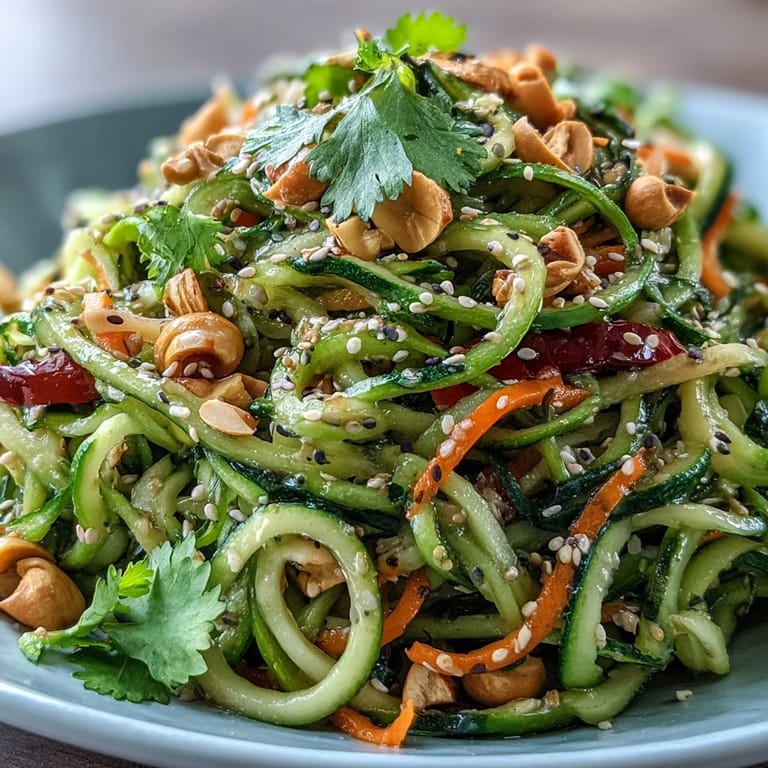
 This salad reminds me that cooking doesn't have to be complicated to be memorable. Sometimes all you need is fresh vegetables, a good dressing, and the willingness to try something a little different.
Recipe FAQs
- → Can I prepare this salad ahead of time?
Yes, you can prepare the vegetables and dressing separately up to 4 hours ahead. Combine them just before serving to maintain the vegetables' crisp texture and prevent sogginess.
- → What vegetables can I substitute?
Any spiralizable vegetables work well—try yellow squash, daikon, beets, or parsnips. You can also use julienned or thinly sliced vegetables if you don't have a spiralizer.
- → How do I make this more filling?
Add baked tofu, edamame, grilled chicken, or fish for extra protein. Chickpeas or black beans also add substance while keeping it vegetarian-friendly.
- → Is this dressing gluten-free?
The dressing is gluten-free if you use tamari instead of regular soy sauce. Always verify your sesame oil and other ingredients are certified gluten-free if needed.
- → How can I adjust the spice level?
Start with a small pinch of chili flakes and increase gradually to your preference. You can also reduce or eliminate them entirely for a milder version.
- → What's the best way to store leftovers?
Store dressed and undressed portions separately in airtight containers for up to 2 days. The vegetables will soften over time, so undressed storage preserves texture best.