 Save to Pinterest
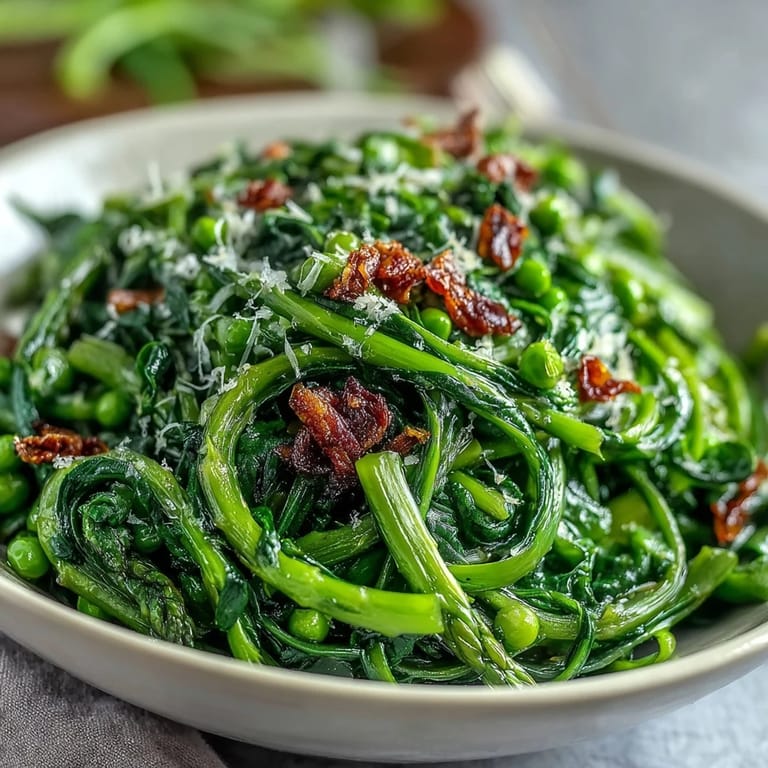
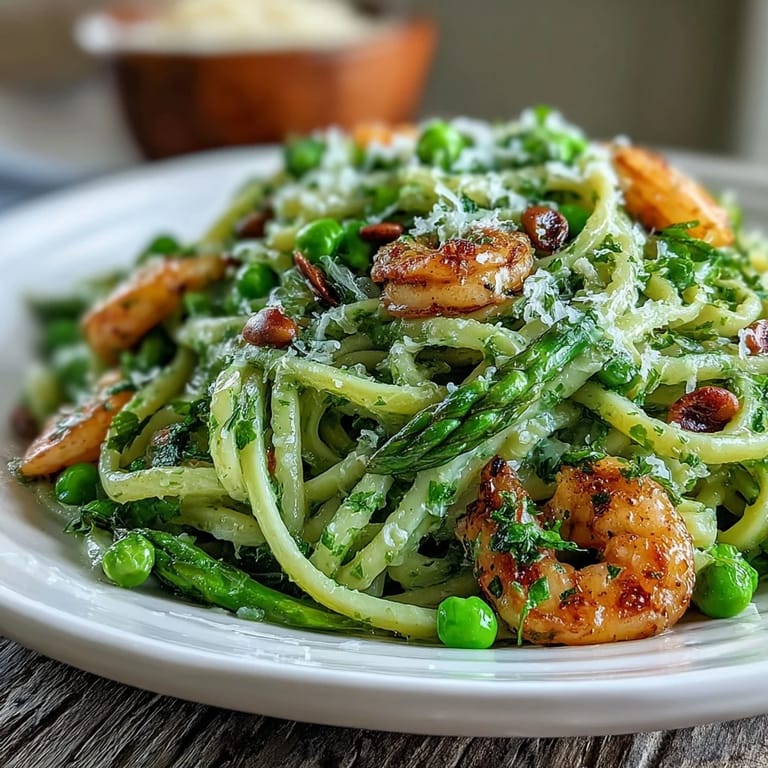
 There's something about spring that makes me want to abandon heavy cooking altogether. Last March, I was standing at the farmers market on a Saturday morning, and this vendor had the most impossibly tender asparagus I'd ever seen—so delicate it practically melted in my hands. That's when it hit me that asparagus didn't need to be cooked to shine. Minutes later, I was home with a vegetable peeler in hand, discovering that shaving asparagus creates this silky, almost pasta-like texture that changes everything about how you experience the vegetable.
I made this for my sister's backyard lunch last April, and she took one bite and just closed her eyes. She's not someone who gets quiet about food, so that moment told me everything. Her kids even asked for seconds, which in the world of picky eaters felt like winning the lottery. It became the dish I brought to every spring gathering after that, and honestly, I stopped varying it because people actually looked disappointed if I showed up with something else.
Ingredients
- Fresh asparagus (about 1 bunch, 300 g): Choose stalks that feel firm and snap cleanly when bent—this is your signal they're tender enough to shave raw. Trim those woody ends with a knife or by simply bending each stalk until it breaks naturally at the point where it wants to.
- Fresh or frozen green peas (1 cup, 150 g): Fresh peas in season are a gift, but frozen ones honestly work beautifully here and save you the shelling. They add that sweet pop that balances the bright lemon.
- Baby arugula or mixed spring greens (2 cups, 50 g): These greens should feel alive and tender, not wilted. They're the quiet foundation that lets everything else shine.
- Radishes (2 medium): Slice them thin enough to see light through them—they'll soften slightly as they sit and add a subtle peppery bite that you'll taste but not necessarily identify.
- Shaved Parmesan cheese (1/4 cup, 30 g): Use a vegetable peeler to create actual shavings rather than grating it finely. The large flakes melt against the warm asparagus and create texture instead of disappearing.
- Toasted pine nuts or slivered almonds (1/4 cup, 30 g): Toast them yourself if you have time—they go from pleasant to genuinely complex in just three minutes in a dry pan. Watch them closely because they burn in a heartbeat.
- Extra-virgin olive oil (3 tbsp): This is one of those rare moments where the quality actually matters because it's not being heated. Use something you'd want to drink straight.
- Fresh lemon juice (2 tbsp): Squeeze it yourself right before you make the dressing. Bottled juice tastes like regret by comparison.
- Lemon zest (1 tsp): Get the bright yellow part only—the white pith underneath is where bitterness hides. A microplane makes this effortless and beautiful.
- Honey or maple syrup (1 tsp): This tiny amount rounds out the sharp lemon without making anything sweet. Maple adds a whisper of complexity if you're feeling it.
- Dijon mustard (1 tsp): The emulsifier that holds your dressing together and adds a gentle heat that lingers pleasantly.
- Sea salt and freshly ground black pepper: Taste as you go because salt levels vary with the freshness of your other ingredients.
Tired of Takeout? 🥡
Get 10 meals you can make faster than delivery arrives. Seriously.
One email. No spam. Unsubscribe anytime.
Instructions
- Shave the asparagus into ribbons:
- Hold each stalk firmly and drag your vegetable peeler down the length, rotating as you go so you get ribbons from all sides. They'll curl slightly as they hit the bowl, which is exactly what you want. You'll know you're doing it right when the peeler glides without resistance.
- Build your salad foundation:
- Toss the asparagus ribbons with the peas, greens, and radish slices. At this point it might look a little sparse, but that's okay—the dressing will transform it into something cohesive.
- Create the dressing:
- Pour the oil, lemon juice, and zest into a small bowl or jar, then add the honey, mustard, salt, and pepper. Whisk vigorously for about thirty seconds—you'll feel the mixture thicken slightly as the mustard emulsifies everything together, which means the oil and lemon are finally friends.
- Dress and toss gently:
- Drizzle the dressing over your salad and toss with a light hand, as if you're tucking the vegetables into bed rather than wrestling them. The asparagus ribbons are delicate and deserve respect.
- Top with cheese and nuts:
- Scatter the Parmesan shavings and toasted nuts across the top, or toss them in gently if you prefer everything mixed. Either way works—there's no wrong move at this point.
- Serve immediately:
- This salad is best eaten within minutes of assembly while everything is at its crispest and the warmth of your hands hasn't started wilting the greens. The moment you plate it is the moment it's perfect.
 Save to Pinterest
 There was this one moment when my neighbor stopped by right as I was finishing this salad, and I almost didn't offer her any because I'd made it just for myself. But something made me plate an extra portion, and she sat on my kitchen stool and we talked for an hour. She came back the next week asking if I'd teach her how to make it, and somehow that simple salad became this thread connecting us through every spring since.
The Magic of Raw Asparagus
Most people only know asparagus as something roasted until it's tender or steamed into submission. But shaving it raw unlocks this entirely different vegetable—something silky and almost delicate that tastes like spring tastes, not like cooked asparagus tastes. The first time I experienced this properly was accidental, honestly. I grabbed a peeler instead of a knife, and by the time I realized my mistake, I'd created something genuinely beautiful. It takes about the same amount of effort as cooking it, but you keep all the nutritional value and create this textural contrast that makes every other element of the salad feel more interesting by comparison.
Building Layers of Flavor
This salad works because nothing overpowers anything else—instead, every element whispers something different. The peas bring sweetness, the radishes add pepper and crunch, the greens provide earthiness, and the lemon dressing ties it all together without shouting. I learned this by making a version with too much mustard once, and I watched the whole balance collapse. Now I understand that the best salads are conversations between ingredients, not monologues.
Seasonal Adaptations and Variations
Spring gives you the best version of this salad, but it transforms beautifully throughout the year if you're willing to listen to what's available. In early summer, I add shredded fresh mint or torn basil. Late spring sometimes means swapping the peas for snap peas sliced thin. If you're cooking for someone avoiding dairy, the salad honestly doesn't miss the cheese—the shaved vegetables and nuts create enough richness and texture. Some people skip the nuts entirely if they're cooking for allergies, and the salad still tastes like itself, just slightly different.
- Try adding shredded zucchini or shaved fennel for different seasons and moods.
- Fresh herbs like dill, chives, or tarragon all feel at home in this dressing.
- This is a genuinely forgiving recipe that celebrates whatever is fresh and good right now.
 Save to Pinterest
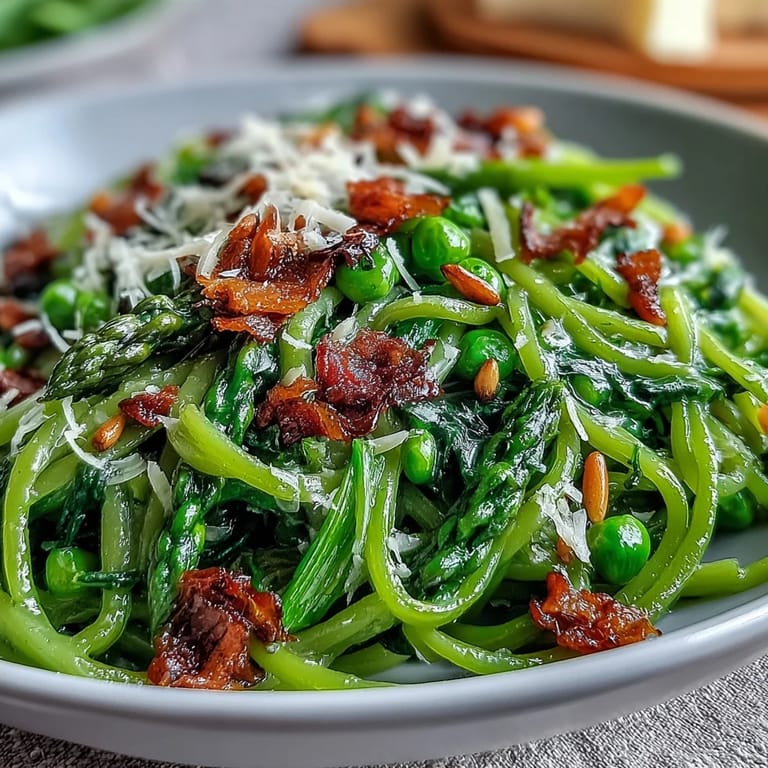
 This salad has become my answer to almost every spring gathering because it feels generous without being heavy, elegant without trying, and honestly delicious without any pretense. Every time I make it, I remember standing at that farmers market with asparagus so tender it practically folded in my hands.
Recipe FAQs
- → How do you prepare the asparagus for this salad?
Use a vegetable peeler to shave the asparagus stalks into thin ribbons, which enhances the texture and presentation.
- → Can I substitute the pine nuts in this dish?
Yes, toasted slivered almonds work well as a substitute, providing a similar crunch and nutty flavor.
- → What dressing ingredients balance the salad?
The dressing combines extra-virgin olive oil, lemon juice, lemon zest, honey, Dijon mustard, salt, and pepper for a bright and tangy finish.
- → Is this salad suitable for vegetarians?
Yes, it contains Parmesan cheese and nuts. For a vegan option, omit cheese or use plant-based alternatives.
- → How can I add extra flavor to this salad?
Fresh herbs like mint or basil can be added for an herbal lift that complements the lemony dressing.