 Save to Pinterest
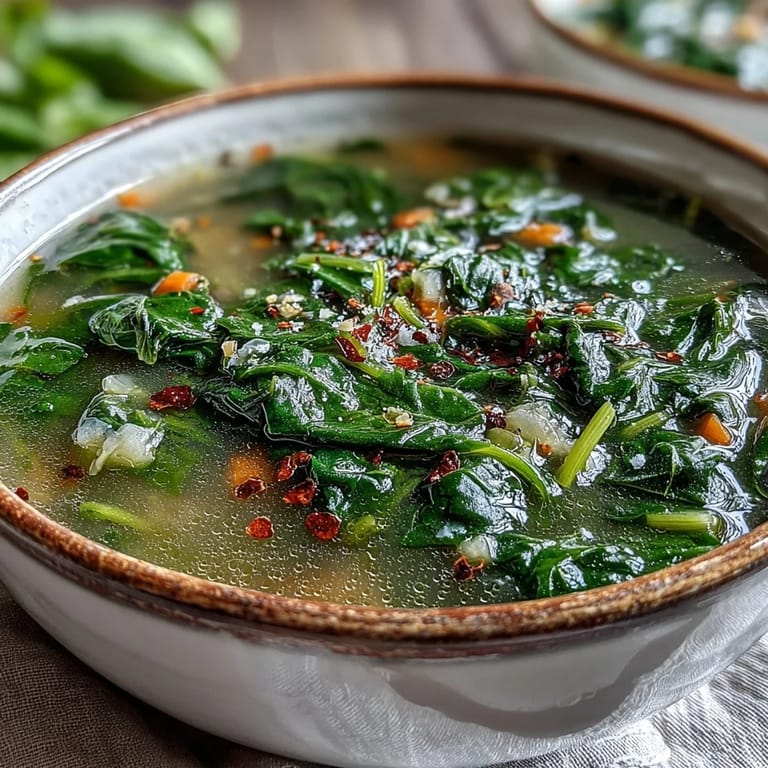
 There's something about chopping Swiss chard that makes you feel like you're doing something right in the kitchen. The leaves are so vibrant and substantial, and when you separate the stems from the tender leafy parts, you realize this one vegetable is actually two different textures waiting to happen. One afternoon, I was rummaging through the farmers market with no real plan, and a vendor handed me a bunch of Swiss chard so fresh it still had soil clinging to the roots. That evening, I threw together this soup almost by accident, and it became the kind of dish I find myself making on quiet weeknights when I want something that tastes like it took effort but honestly didn't.
I made this for my neighbor on a particularly gray November afternoon when she'd just come back from a difficult doctor's appointment. She sat at my kitchen counter while the soup simmered, and the whole place filled with this clean, garlicky warmth. By the time I poured it into bowls and handed her one with a handful of fresh parsley scattered on top, she actually smiled for the first time that day. That's when I knew this wasn't just a recipe—it was one of those quiet comforts that reminds you why people gather around food.
Ingredients
- Swiss chard (1 large bunch, about 400 g): The star of this soup, with stems that give structure and leaves that melt into the broth; separate them because they need different cooking times, and don't toss those stems away.
- Yellow onion (1 medium, finely chopped): This builds the foundation of the soup with a gentle sweetness that balances the slight earthiness of the chard.
- Carrots (2 medium, diced): They add color, natural sweetness, and a little body to the broth without overwhelming the delicate greens.
- Celery stalks (2, diced): Often the overlooked hero, celery brings a subtle depth that makes people ask what makes this soup taste so complete.
- Garlic (3 cloves, minced): Don't skip the mincing step; you want it fine enough to distribute through the broth and perfume every spoonful.
- Vegetable broth (1.2 liters / 5 cups): Use good quality broth here because it's the backbone of the whole dish; taste it before you buy it if you can.
- Olive oil (2 tablespoons): Quality matters more than quantity; it should coat the vegetables without making the soup heavy.
- Sea salt (1 teaspoon) and black pepper (1/2 teaspoon): Start conservative and taste as you go; you can always add more but you can't take it back.
- Red pepper flakes (1/4 teaspoon, optional): A whisper of heat that wakes up the palate without announcing itself too loudly.
- Lemon juice (from 1/2 lemon): This final squeeze brightens everything and makes the chard taste like itself, just more so.
- Fresh parsley (2 tablespoons, chopped): Stir most of it in and save some for garnish; it adds freshness that a finished soup desperately needs.
- Parmesan cheese (optional, for serving): A small handful grated over the top transforms a simple soup into something that feels intentional and finished.
Tired of Takeout? 🥡
Get 10 meals you can make faster than delivery arrives. Seriously.
One email. No spam. Unsubscribe anytime.
Instructions
- Sauté the foundation vegetables:
- Heat olive oil in a large pot over medium heat and add the chopped onion, carrots, and celery. Let them sit undisturbed for a minute or two before stirring so they begin to caramelize slightly, then stir occasionally for 5 to 6 minutes until they're soft and just starting to turn golden at the edges. You'll smell the sweetness emerging from the vegetables, which is your cue that they're ready for the next step.
- Build the aromatic base:
- Stir in the minced garlic and Swiss chard stems, and let them cook for 2 to 3 minutes until the kitchen fills with that unmistakable garlicky fragrance. The chard stems will begin to soften and lose their raw edge, melting into the oil and vegetables to create a fragrant, deeply flavorful base for your broth.
- Bring in the greens and liquid:
- Add the Swiss chard leaves, vegetable broth, sea salt, black pepper, and red pepper flakes if you're using them. Stir everything together and watch as the leaves wilt into the liquid almost immediately, then bring the pot to a boil over medium-high heat.
- Simmer until tender and harmonious:
- Once it reaches a boil, reduce the heat to medium-low and let it simmer gently, uncovered, for 15 to 20 minutes. The vegetables will become very tender, the flavors will meld together into something greater than the sum of their parts, and the whole thing will smell like pure comfort.
- Finish with brightness and grace:
- Turn off the heat and stir in the lemon juice and fresh parsley, then taste and adjust the seasoning with a pinch more salt or pepper if needed. This final moment is where the soup goes from good to unforgettable, so don't rush it.
- Serve with intention:
- Ladle the soup into bowls and top each one with a small handful of grated Parmesan if you like. Serve while it's hot, and watch how people slow down and actually taste what's in front of them.
 Save to Pinterest
 My partner brought home a bag of random vegetables one evening, including three bunches of Swiss chard that were on sale because they were ugly (they weren't). We ended up making triple this recipe and freezing most of it, and for the next month, we had a moment of quiet gratitude almost every time we reheated a portion. That's when I learned that the best recipes aren't the ones that impress people at dinner parties; they're the ones that show up for you when you need them most.
When to Add Substance
This soup is delicate and light as written, which is exactly the point—but sometimes you want something that fills you up more completely. If you're making this for lunch rather than a starter course, add a can of drained white beans or chickpeas right before the final simmer, and the whole character of the soup shifts into something more grounding. I've also diced a potato and added it with the carrots on nights when the weather was particularly cold or my appetite particularly ambitious, and it never overshadows the chard but instead gives the broth a silkier texture.
The Lemon Question
I used to make this without lemon and wondered why it tasted flat. That single squeeze at the end does something almost alchemical—it doesn't make the soup taste lemony, it just makes the chard taste more like chard and the garlic taste more like garlic. Start with half a lemon as the recipe suggests, taste it, and if you want more brightness, squeeze in a little more. Every lemon is different, and every pot of soup is different, so trust your own palate.
Making It Your Own
This recipe is a canvas, and I've learned that the best versions are the ones where you add something personal. For vegan guests, skip the Parmesan and top their bowls with a drizzle of good olive oil and a scatter of toasted breadcrumbs instead. For people who like a little smoke and depth, a pinch of smoked paprika works beautifully alongside the red pepper flakes.
- A small handful of fresh spinach stirred in at the end adds another layer of green and doesn't compete with the chard.
- If you have vegetable scraps in your freezer, toss them into the pot with the broth for even more depth and flavor.
- Serve this soup with crusty bread and good butter, and suddenly you've turned a simple dish into an entire evening.
 Save to Pinterest
 This soup has become one of those recipes I return to without thinking, the way your hand knows where the light switch is in your own home. It's honest food that doesn't pretend to be anything other than what it is.
Recipe FAQs
- → Can I use other greens instead of Swiss chard?
Yes, kale, spinach, or beet greens work well as substitutes. Adjust cooking time slightly as spinach wilts faster than kale.
- → How long does this soup keep in the refrigerator?
Stored in an airtight container, it keeps well for 4-5 days. The flavors often develop and improve after a day.
- → Can I freeze this soup?
Yes, freeze for up to 3 months. Leave off Parmesan and fresh herbs until serving for best results.
- → What can I serve with this soup?
Crusty bread, crackers, or a light salad make excellent accompaniments. Grilled cheese pairs perfectly too.
- → How do I make it more filling?
Add white beans, diced potatoes, or small pasta shapes during simmering. These add heartiness without overpowering the delicate flavor.