 Save to Pinterest
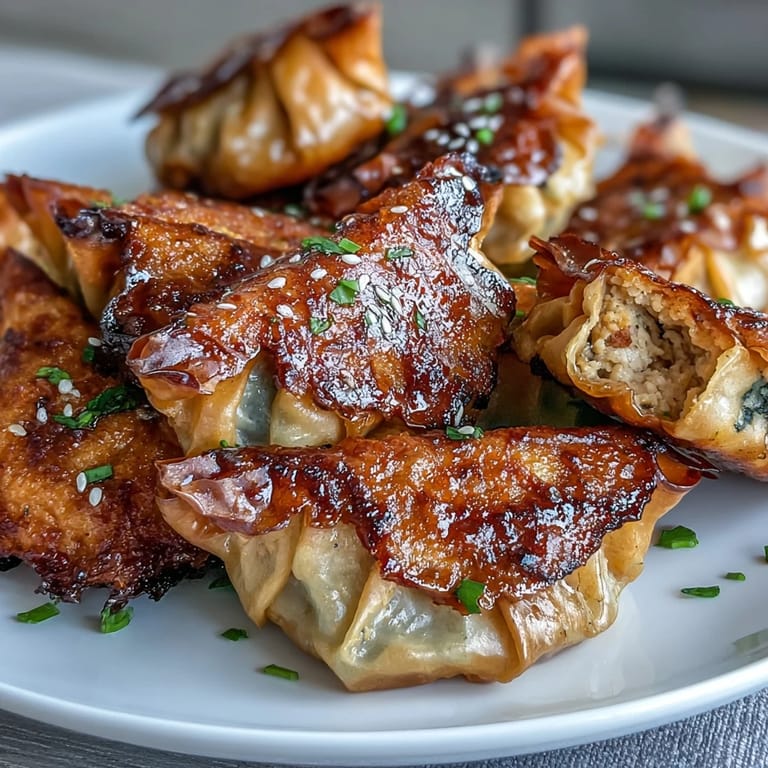
 Last summer, I fell down the rice paper dumpling rabbit hole after watching someone fold them with impossible speed on my phone at midnight. What struck me wasn't just how they looked—golden and impossibly crispy—but the fact that they seemed achievable, even for someone like me who'd burned water before. The moment I pulled my first batch from the pan and heard that satisfying crackle, I knew I'd found something special, something that felt both restaurant-quality and deeply personal.
I made these for a dinner party where someone mentioned being vegan almost apologetically, as if they were asking for too much. Watching their face light up when they bit into one, then immediately ask for the recipe, reminded me that the best meals are the ones that make people feel seen and celebrated, not accommodated.
Ingredients
- Firm tofu, pressed and crumbled (200 g): Pressing is non-negotiable here—it removes moisture so your filling stays cohesive and the dumplings get crispier instead of steaming themselves soggy.
- Shiitake mushrooms, finely chopped (80 g): These bring an earthy umami depth that makes the whole dumpling sing, but cremini or oyster mushrooms work beautifully too.
- Carrot, shredded (1 medium): Besides adding sweetness and color, carrots release just enough moisture to help bind everything together naturally.
- Zucchini, shredded and squeezed (1 small): This trick of squeezing out excess moisture is crucial—it prevents the filling from becoming watery and keeps your rice paper crispy.
- Spring onions, finely sliced (2): Fresh and bright, they add a subtle onion bite that keeps the filling from tasting one-dimensional.
- Garlic cloves, minced (2): Mince them small so they distribute evenly and don't leave raw garlic pockets that catch your guests off guard.
- Soy sauce or tamari (1 tbsp): This is your salt and umami anchor; use tamari if you need gluten-free and notice the difference immediately.
- Toasted sesame oil (1 tsp): A little goes a long way with this stuff—it's pure flavor and worth seeking out the good kind.
- Fresh ginger, grated (1/2 tsp): Don't skip this, it adds a gentle warmth that ties everything together.
- Ground white pepper (1/4 tsp): White pepper has a different character than black, slightly more delicate and less aggressive.
- Cornstarch (1 tbsp): This absorbs any excess moisture from the vegetables and prevents your filling from leaking during frying.
- Rice paper sheets (12, 22 cm diameter): Buy the thinnest ones you can find—they fry faster and become almost glass-like when done right.
- Neutral oil (2 tbsp): Canola or sunflower work best; avoid anything with a strong flavor that'll overpower the delicate filling.
- Optional serving: soy sauce, chili crisp, sriracha, fresh coriander: Let people build their own sauce combination—that's half the fun.
Tired of Takeout? 🥡
Get 10 meals you can make faster than delivery arrives. Seriously.
One email. No spam. Unsubscribe anytime.
Instructions
- Combine your filling with intention:
- Toss all the tofu, vegetables, and seasonings together in one bowl until it looks like a cohesive mixture with no dry spots or clumps of tofu—this takes about two minutes of gentle mixing. The cornstarch should distribute evenly so it can do its job of keeping everything bound.
- Wake up your rice paper:
- Fill a shallow bowl with warm (not hot) water and dip each sheet for just 5 to 8 seconds—too long and it tears, too short and it stays brittle. Lay it flat on a damp towel and you'll feel it soften and become pliable within seconds.
- Fill and fold with confidence:
- Spoon about 2 tablespoons of filling onto the lower third of the rice paper, leaving a border around the edges so nothing squeezes out when you roll. Fold the bottom edge over the filling first, then tuck in the sides tightly, and roll upward like you're wrapping a burrito, keeping tension as you go.
- Double-wrap for maximum crispiness:
- If you're feeling fancy and want impossibly crispy dumplings, grab a second moistened rice paper sheet and wrap each dumpling again using the same method—this creates a double layer that fries into something genuinely spectacular. Honestly, it's worth the extra minute per dumpling.
- Fry until golden and absolutely crispy:
- Heat your oil in a nonstick skillet over medium heat until a tiny piece of rice paper sizzles immediately when it touches the surface. Place dumplings seam-side down and let them sit undisturbed for 2 to 3 minutes so they develop that gorgeous golden crust, then flip and fry the other side the same way.
- Drain and serve while still warm:
- Transfer finished dumplings to a paper towel–lined plate to absorb any excess oil, then serve immediately while they're still crispy and the filling is steaming hot. This is the moment they're at their absolute best.
 Save to Pinterest
 There's something almost meditative about folding these—the repetition, the way your hands learn the motion after three or four tries, the quiet satisfaction of a neat rectangle. I realized one evening while making a huge batch that this is probably why people love doing this work, why street vendors return to these techniques year after year.
The Rice Paper Secret
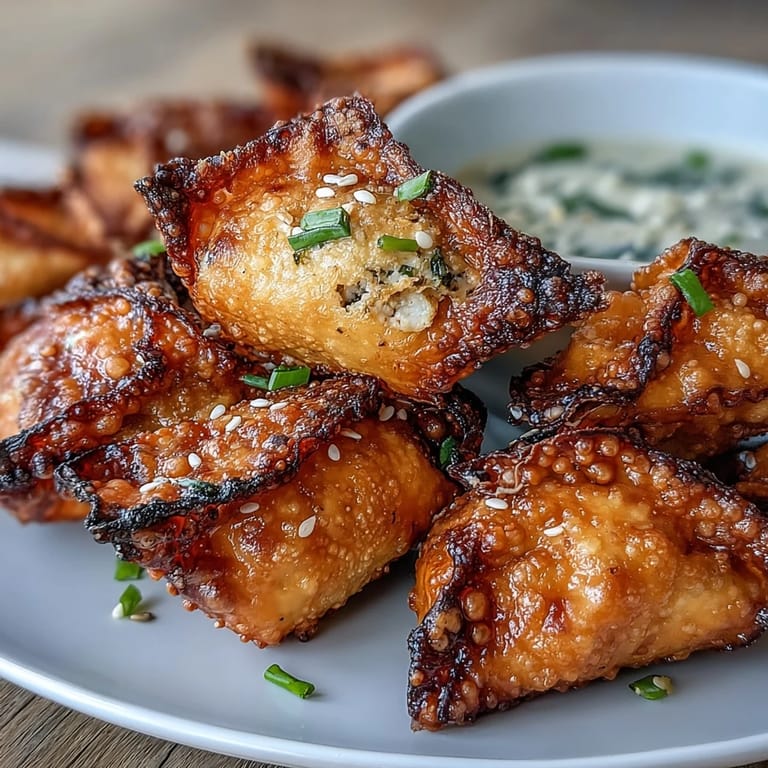
Rice paper is delicate and forgiving in equal measure, which means your second or third dumpling will look noticeably better than your first. The paper softens in water but doesn't get slippery like wonton wrappers, so there's a real window where you can work with it—respect that window and you'll have dumplings that look almost professional. I used to think my hands were too clumsy for this until I realized it's less about precision and more about confidence and knowing when the rice paper is ready.
Building Your Filling
This filling works because every ingredient plays a role—the tofu provides protein and texture, the mushrooms bring umami, the vegetables add color and subtle sweetness, and the cornstarch ties everything together so nothing leaks when it hits the hot oil. You can absolutely swap things around based on what's in your fridge; I've used cabbage instead of zucchini, added a handful of water chestnuts for extra crunch, even snuck in some finely minced shiitake stems when I was being resourceful. The important thing is maintaining that balance between moisture and binding, which is why the cornstarch stays non-negotiable.
Serving and Storage Wisdom
Hot dumplings are crispy dumplings, so aim to serve them within a few minutes of frying them; they're still good ten minutes later, but they lose that addictive texture you worked for. You can make the filling a day ahead and store it in an airtight container in the fridge, which makes last-minute entertaining totally doable—just fold and fry when your guests arrive.
- Set up a little sauce station and let people mix their own dipping combination instead of deciding for them.
- If you have leftovers, reheat them in a dry skillet for a minute or two rather than microwaving, which will turn them into unfortunate chewy discs.
- Double the filling recipe and freeze extra dumplings uncooked; they fry beautifully straight from frozen with maybe 30 seconds extra per side.
 Save to Pinterest
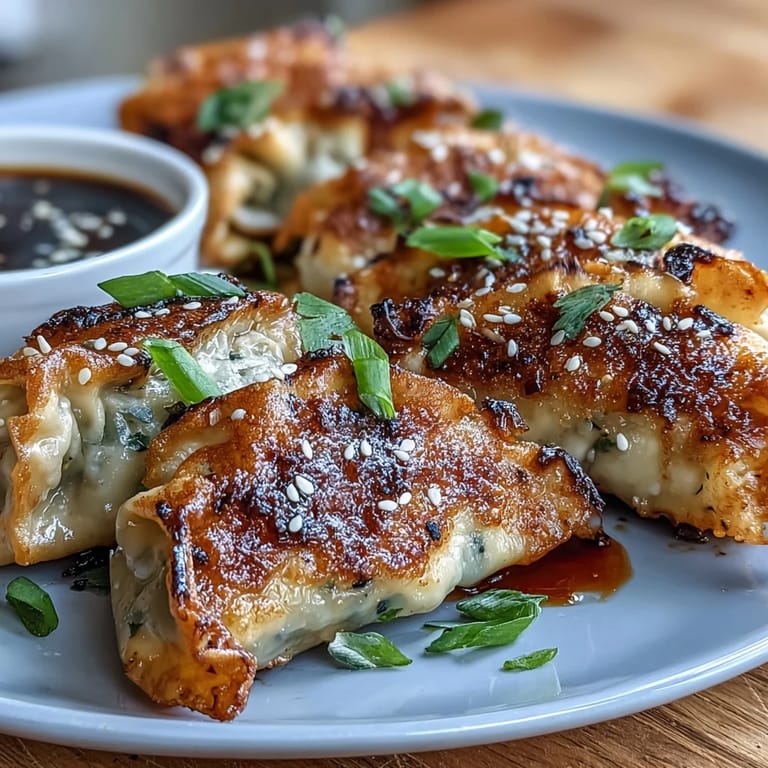
 These dumplings became a regular in my rotation because they're impressive without being complicated, and because watching someone's face when they bite into one never gets old. Make them once and you'll find yourself making excuses to make them again.
Recipe FAQs
- → How do I keep rice paper dumplings crispy?
Double wrapping the filling in rice paper and frying over medium heat ensures a golden, crispy exterior that lasts.
- → Can I prepare the filling ahead of time?
Yes, the tofu and vegetable filling can be mixed in advance and refrigerated for a few hours before wrapping.
- → What dipping sauces pair well with these dumplings?
Light soy sauce, tamari, chili crisp, or a spicy sriracha-based sauce complement the savory flavors perfectly.
- → Are there any tips for folding the rice paper around the filling?
Soak rice paper briefly until soft, place filling near the edge, fold bottom over filling, then sides, and roll tightly to form a neat parcel.
- → How can I make this dish gluten-free?
Use tamari instead of soy sauce and verify that your rice paper is gluten-free to maintain dietary restrictions.