 Save to Pinterest
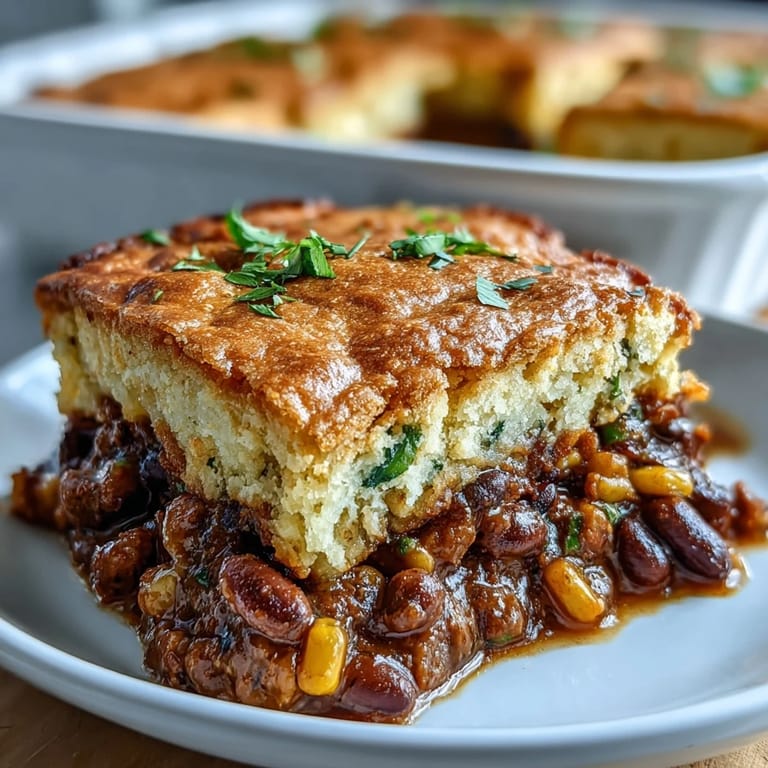
 My friend Maya showed up to a potluck with this dish last fall, and I watched people come back for seconds without realizing it was vegan. The golden cornbread crown caught everyone's eye first, but it was that moment when someone bit through the crispy top into the seasoned black beans below that sealed the deal. She'd been experimenting all summer with ways to feed her family something hearty that didn't require animal products, and this became the one she made when she wanted to impress. Now I understand why she smiled watching people enjoy it—there's real magic in feeding people comfort food they didn't expect to love.
I made this for my partner's book club gathering, nervous because I'd never cooked vegan for a group before. Watching them scoop portions and hearing the clink of the spoon against the dish, then seeing their faces when they tasted it—that's when I realized comfort food isn't about what's in it, it's about how it lands on your tongue and reminds you of home.
Ingredients
- Olive oil: The foundation that lets everything else develop flavor, so don't skip it or use a substitute here.
- Yellow onion: Creates the base layer of flavor when sautéed slowly until soft and just starting to turn golden at the edges.
- Garlic: Two cloves minced fine release their sweetness into the oil and become almost creamy by the time you add the peppers.
- Red and green bell peppers: These add color and sweetness while keeping the filling from feeling one-dimensional.
- Zucchini: Diced small, it absorbs the spices and adds moisture that keeps the filling from drying out in the oven.
- Ground cumin: The soul of this dish—use the good stuff if you can because it shows.
- Chili powder and smoked paprika: Together they create depth and warmth without making things aggressively spicy.
- Dried oregano: Just a whisper of it, but it ties everything to the Tex-Mex spirit of the dish.
- Black beans: Rinse them well to remove the canning liquid, which helps the filling stay textured rather than mushy.
- Corn: Use frozen if you can—the quality is often better than canned, and it adds natural sweetness.
- Diced tomatoes with juices: The liquid is your friend here, so don't drain them; it keeps the filling moist under the cornbread.
- Vegetable broth: Brings everything together with subtle savory notes that make the filling taste more complex than it is.
- All-purpose flour and cornmeal: Cornmeal gives that distinctive sandy texture and corn flavor while flour provides structure.
- Baking powder: Essential for lift; make sure yours isn't old or the topping will bake flat.
- Plant-based milk: Choose one you actually like drinking because you'll taste it; soy gives richness while oat feels creamier.
- Neutral oil: Keeps the cornbread moist and tender without competing with other flavors.
- Apple cider vinegar: It reacts with baking powder to create lift and adds a subtle tang that brightens the whole thing.
Tired of Takeout? 🥡
Get 10 meals you can make faster than delivery arrives. Seriously.
One email. No spam. Unsubscribe anytime.
Instructions
- Prep your baking dish and heat your oven:
- Set everything to 400°F and grease your 9x13-inch dish so nothing sticks later when you're eager to serve. Getting ahead here means you can focus on the stove work without rushing.
- Build the flavor foundation with aromatics:
- Heat olive oil over medium heat and let your diced onion soften for about 3 minutes, stirring occasionally—you want it translucent and slightly sweet. This is the moment the kitchen starts to smell like cooking, and it's good.
- Add the garden to your skillet:
- Mince in your garlic and add the bell peppers and zucchini, cooking for 5 more minutes until everything softens slightly and the garlic scent intensifies. The vegetables will start releasing their water, which helps carry flavor around the pan.
- Wake up your spices:
- Stir in cumin, chili powder, smoked paprika, oregano, salt, and pepper, cooking for just 1 minute until you can smell the shift—that's when you know they're blooming and releasing their essential oils. This brief cooking step makes a surprising difference in how the filling tastes.
- Bring everything together:
- Add the rinsed beans, corn, tomatoes with their juices, and vegetable broth, then let it simmer gently for 5 to 7 minutes while you stir occasionally. The filling should reduce slightly and smell like a taco stand you want to revisit.
- Transfer the filling to your baking dish:
- Pour the warm mixture into your prepared dish and spread it evenly, then set it aside while you make the topping. This is a good moment to take a breath and admire what you've built so far.
- Whisk your dry cornbread ingredients:
- In a large bowl, combine flour, cornmeal, baking powder, salt, and sugar with a whisk, stirring gently until everything is evenly mixed. Don't overwork this or you'll develop gluten and make the topping tough.
- Combine your wet ingredients separately:
- In another bowl or measuring cup, whisk together plant-based milk, oil, and apple cider vinegar—the vinegar will react immediately with the milk, creating tiny bubbles. This matters more than it seems.
- Mix wet and dry with restraint:
- Pour the wet mixture into the dry ingredients and stir just until combined—lumps are your friend here because they signal you haven't overworked the batter. Overmixing is the main reason cornbread becomes dense instead of light.
- Crown your filling with golden cornbread:
- Spoon the batter evenly over the taco filling, using a spatula or the back of a spoon to spread it gently without pressing down. You want the topping to bake up into fluffy clouds, not a heavy cake.
- Bake until golden and set:
- Put the dish in your preheated oven for 28 to 32 minutes, checking around minute 25 so you know when it's getting close. The cornbread should be golden on top and a toothpick inserted in the center should come out clean or with just a few moist crumbs clinging to it.
- Rest before you dig in:
- Let the whole dish sit for 5 minutes after it comes out of the oven—this helps it set up so portions hold together. Those 5 minutes also let the filling cool just slightly so you don't burn your mouth.
 Save to Pinterest
 I served this to my mom last winter when she was going through a phase where she thought vegan food meant sad salads. She asked for the recipe before she finished eating, and she's made it six times since then. That's the moment I knew I wasn't just feeding people—I was changing how they saw possibility in their own kitchens.
Why the Seasoning Matters More Than You Think
The spice combination in the filling isn't random—it's layered so each one does a specific job. Cumin anchors everything with earthiness, chili powder adds warmth and mild heat, smoked paprika brings depth and a whisper of smoke, and oregano ties it all to the Tex-Mex tradition. When you cook them together for those crucial 60 seconds, they stop being individual flavors and become one unified taste that feels bigger than its parts. This is also why tasting and adjusting at the end matters—your palate is the final judge.
The Cornbread Topping Is Its Own Small Victory
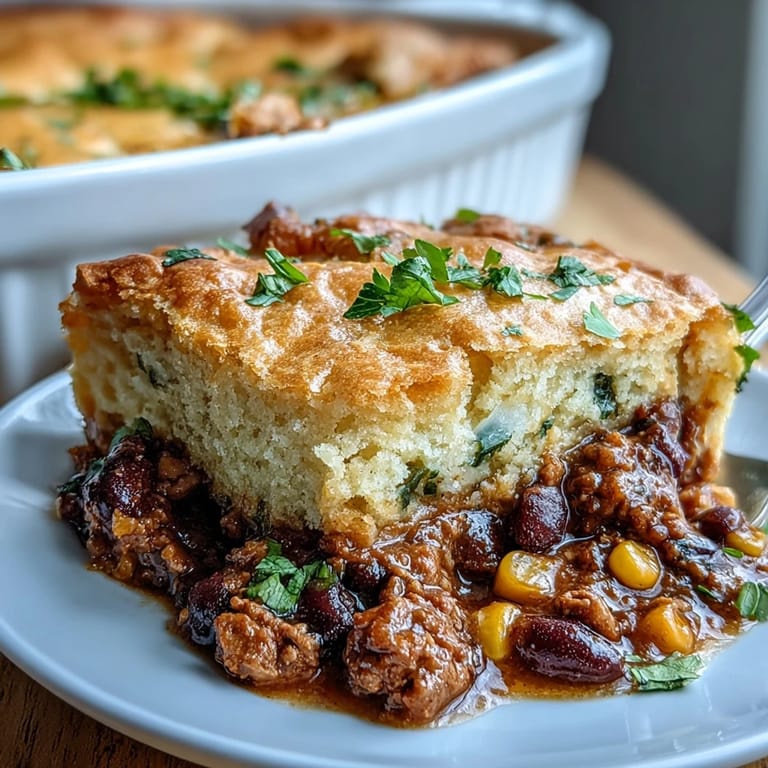
Cornbread made with plant-based milk can either be disappointingly dense or genuinely fluffy, and the difference lives in those small details. The apple cider vinegar creates an acid-base reaction that mimics what eggs do in traditional cornbread, and the ratio of cornmeal to flour gives you that sandy, tender crumb. When you pull it out of the oven golden and springy to the touch, you've proven that vegan baking isn't about compromise—it's about understanding why ingredients work the way they do.
Storage and Serving Ideas That Extend the Joy
This dish actually improves slightly on day two when the flavors have had time to mingle and deepen. Leftovers keep well in the refrigerator for up to three days, and reheating in a 325°F oven for about 12 minutes brings back the textural magic without drying things out. You can also add personality to your serving with fresh cilantro scattered on top, avocado slices on the side, or a dollop of vegan sour cream.
- Jalapeños minced into the filling add heat if you want people to know they're eating something with a kick.
- Vegan shredded cheese stirred into the cornbread batter (about half a cup) creates pockets of savory richness that make people ask what you did differently.
- A squeeze of lime juice right before serving brightens everything and reminds your palate why Tex-Mex food feels so alive.
 Save to Pinterest
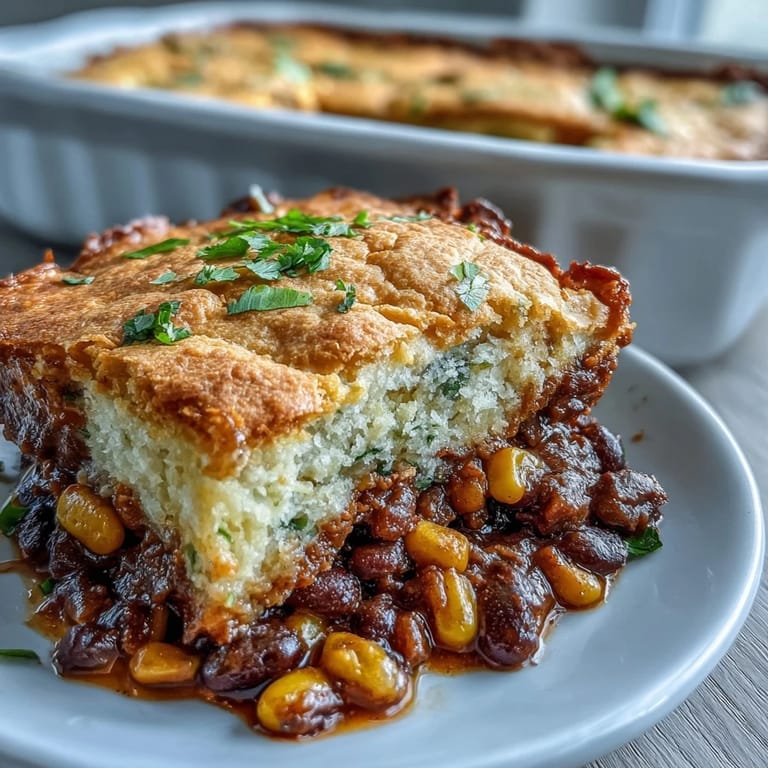
 This dish became proof in my kitchen that vegan food can be just as satisfying and conversation-starting as anything else. It's the kind of meal you make when you want people to feel taken care of and understood.
Recipe FAQs
- → Can I make this dish gluten-free?
Yes, simply substitute the all-purpose flour with a gluten-free flour blend to make the cornbread topping gluten-free.
- → What plant-based milks work best for the topping?
Unsweetened soy, almond, or oat milk each work well to create a moist and fluffy cornbread topping.
- → How can I add extra heat to the filling?
Adding a minced jalapeño to the filling provides a spicy kick without overpowering the flavors.
- → Can leftovers be stored safely?
Yes, refrigerate leftovers in an airtight container for up to 3 days and reheat before serving.
- → What sides pair well with this casserole?
Fresh avocado slices, salsa, or a simple green salad complement the casserole nicely.
- → Is it possible to add cheese-like flavor?
Yes, stirring in vegan shredded cheese into the cornbread batter adds a rich, cheesy taste.