 Save to Pinterest
 Black currant frosting arrived in my kitchen on a grey London afternoon when a friend mentioned her grandmother's trick for making shop-bought jam taste like it had simmered for hours. I was skeptical until I loosened some black currant preserves with a splash of water and watched how the color deepened, how the flavor became almost jewel-like when beaten into butter. That first taste changed how I thought about frosting entirely—it wasn't supposed to be purely sweet, but this beautiful balance of tart and indulgence.
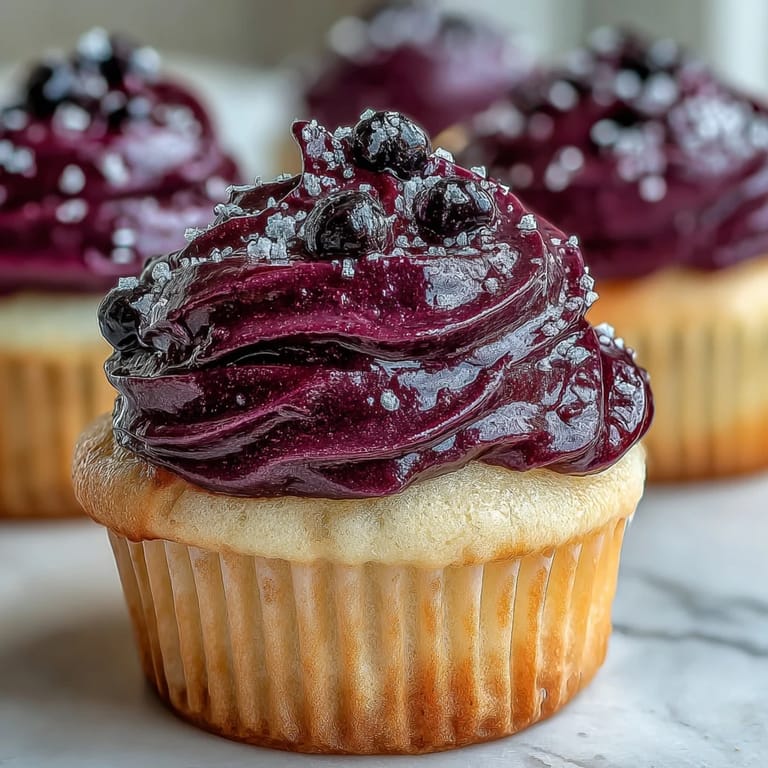
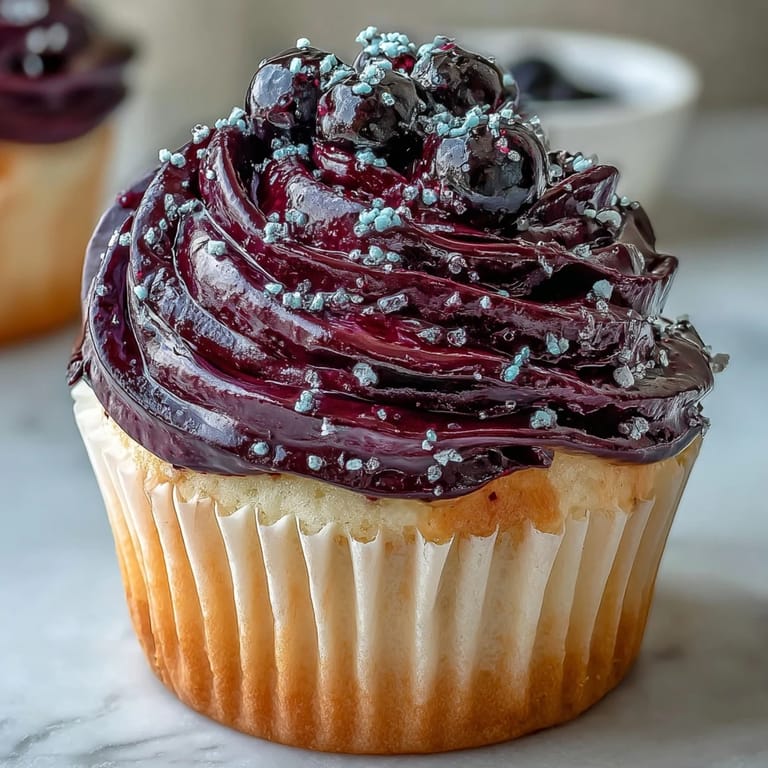
I made this for my sister's baby shower last spring, piped onto tiny lemon cakes arranged on a three-tiered stand. Someone's mother asked if I'd made the frosting myself, and when I said yes, she looked genuinely surprised—as if the deep purple-red color and the way it held its shape seemed too refined to have come from a home kitchen. I loved that moment, the quiet satisfaction of surprising people with something homemade that actually tasted better than expected.
Ingredients
- Black currant jam or preserves (1/2 cup, seedless if possible): This is where all the flavor lives—choose a good quality jam you'd eat straight from the jar, and if you find yourself with seeds catching between your teeth, strain it through a fine mesh sieve first.
- Water (1 tablespoon): This loosens the jam just enough to blend smoothly without making the frosting runny, so don't skip it or add more than needed.
- Unsalted butter (1 cup, softened): Room temperature is non-negotiable here; cold butter won't cream properly and you'll end up with a grainy, separated mess.
- Powdered sugar (2 1/2 cups, sifted): Sifting breaks up clumps and prevents that gritty texture that catches in your teeth—it takes two extra minutes and makes all the difference.
- Vanilla extract (1 teaspoon): A quiet flavor that keeps the frosting from tasting one-dimensional, rounding out the tartness in a way you won't quite be able to name.
- Salt (pinch): This small gesture amplifies the currant flavor and prevents the whole thing from tasting cloying or flat.
- Lemon juice (1–2 teaspoons, optional): Add this if your jam tastes a touch too sweet or if you want the frosting to taste sharper and more sophisticated.
- Fresh black currants (for garnish, optional): These are a luxury touch, but a single currant on top of each cupcake looks purposeful and precious.
Tired of Takeout? 🥡
Get 10 meals you can make faster than delivery arrives. Seriously.
One email. No spam. Unsubscribe anytime.
Instructions
- Loosen the jam:
- Pour the black currant preserves into a small saucepan and add water, then warm it over low heat while stirring gently until it looks glossy and flows like honey. You're not cooking it, just loosening it so it blends into the frosting without lumps, and this should take about 2–3 minutes.
- Cream the butter:
- In a large bowl, beat the softened butter with an electric mixer on medium speed for 2–3 minutes until it's pale, fluffy, and almost mousse-like. Listen for the mixer to lighten in sound—when the butter goes from dense to airy, you'll hear the difference.
- Add the sugar carefully:
- Sift your powdered sugar directly into the bowl and add it slowly, beating on low speed after each handful so it doesn't explode into a white cloud. The frosting should thicken and become silky, like the inside of a seashell.
- Season and flavor:
- Mix in the vanilla extract and a small pinch of salt, beating until everything is completely blended and there are no streaks of vanilla left.
- Fold in the currant reduction:
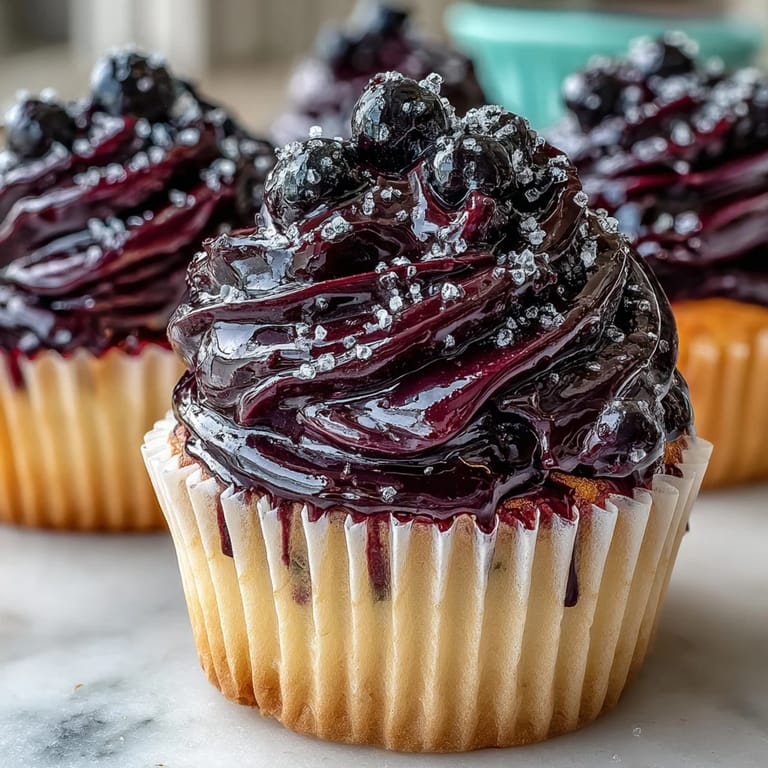
- Pour the cooled jam mixture into the frosting and beat until the color is even and the texture is completely smooth, scraping the sides of the bowl as you go. The frosting should be a deep, glossy purple-red with no swirls of jam visible.
- Adjust if needed:
- Taste it and add lemon juice if you want more brightness, beating to combine. If the frosting feels too soft, cover it and refrigerate for 10–15 minutes until it firms up enough to pipe or spread.
- Frost your cake:
- Once your cake layers or cupcakes are completely cool, spread or pipe the frosting with the back of a small offset spatula or a piping bag fitted with a round or petal tip. Crown each one with a fresh black currant if you have them, for that final touch of elegance.
 Save to Pinterest
 There's a moment when you first taste black currant frosting that feels almost private—the way the tart hits first, then the sweetness settles in, how it tastes like something you'd find at a fancy patisserie but cost you almost nothing to make. It became the frosting I reach for whenever I want someone to feel genuinely celebrated, because there's something about the color and flavor that says you cared enough to do something a little different.
Texture and Consistency
The secret to this frosting's silky quality is patience with the butter—rushing it or starting with cold butter leads to a frosting that's grainy and separated, no matter how much you beat it. I learned this the hard way on my third attempt, when I tried to shortcut the creaming step and ended up with something that looked curdled and bitter. Now I always let butter sit on the counter while I gather the other ingredients, and the difference is absolutely worth the small wait.
Pairing and Flavor Combinations
This frosting shines on vanilla cakes where its tartness becomes the star, but it's equally beautiful on lemon cakes where the citrus and black currant create something almost floral. I've also tried it on dark chocolate cake, where the frosting's brightness cuts through the richness like a ribbon of light—chocolate and black currant is a pairing that feels like a discovery even though it's probably been done a thousand times before. The magic is in how the fruity tartness prevents any single flavor from becoming too heavy.
Storage and Make-Ahead Tips
This frosting is wonderfully forgiving, living happily at room temperature for a full day in a covered container, or in the refrigerator for up to five days wrapped in plastic wrap. When you're ready to use it again, let it come to room temperature and give it a quick re-whip with the mixer to restore its fluffiness—it always comes back, which feels almost like magic. I often make it the day before an event, knowing it'll actually taste fresher and smoother after the flavors have spent a night settling together.
- If frosting stiffens up in the fridge, let it sit on the counter for 10–15 minutes, then beat it briefly until it's spreadable again.
- For cupcakes, you can frost them up to 4 hours ahead and keep them in a cool place (not the refrigerator, which dries them out).
- Bring any leftover frosting back to room temperature before re-whipping, or it might look dull and separated.
 Save to Pinterest
 This frosting has become my answer to the question of how to make something feel special without a lot of fuss. It's the kind of recipe that reminds you that the best cooking often comes from simple ingredients treated with real care.
Recipe FAQs
- → Can I use fresh black currants instead of jam?
Yes, though you'll need to cook them down with sugar first. Simmer 1 cup fresh currants with 2 tablespoons sugar and 1 tablespoon water until thickened, then strain and cool before adding to the frosting.
- → How do I store this frosting?
Store covered at room temperature for up to 1 day, or refrigerate for up to 5 days. When refrigerating, bring back to room temperature and re-whip with an electric mixer before using to restore the silky texture.
- → What cakes pair best with black currant frosting?
The tangy sweetness complements vanilla, lemon, and chocolate cakes beautifully. It also works wonderfully with almond, coconut, or white chocolate bases. The bright berry flavor cuts through rich buttery cakes.
- → How can I make the frosting stiffer for piping detailed decorations?
Add more powdered sugar, 1/4 cup at a time, until you reach the desired consistency. Alternatively, chill the frosted treats for 15–20 minutes to firm up the texture before serving or transporting.
- → Is this frosting suitable for large tiered cakes?
Yes, this frosting creates a stable finish for layered cakes. For large tiered creations, ensure the frosting is slightly firmer by adding extra powdered sugar, and support tiers with dowels as usual.
- → Can I make this frosting dairy-free?
Substitute vegan butter sticks or margarine for the unsalted butter. Look for a brand that behaves similarly to dairy butter in baking. The texture and flavor will remain delicious.