 Save to Pinterest
 One autumn evening, I was standing in my kitchen watching a duck rest on the counter, golden and glistening, when I realized I had nothing to dress it with except the usual suspects. A bottle of black currant juice caught my eye on the shelf, left over from some forgotten smoothie experiment, and something clicked. That night taught me that the best sauces often arrive unplanned, born from what's already hiding in your pantry.
I made this for a dinner party once, and my friend who claimed to hate anything "too fancy" asked for the recipe before dessert was even cleared. Watching someone genuinely excited about a sauce I'd almost thrown together casually reminded me why I love cooking—sometimes the simplest ingredients speak louder than complicated techniques.
Ingredients
- Black currant juice (1 cup): Look for unsweetened versions; the deep, almost tart flavor is what gives this sauce its backbone and that gorgeous dark color that makes plated food look intentional.
- Dry red wine (1/2 cup): Choose something you'd actually drink, as it's the foundation of your sauce's complexity and shouldn't taste thin or overly acidic on its own.
- Balsamic vinegar (2 tablespoons): This adds a subtle sweetness and gloss that rounds out the sharper notes, almost like a secret handshake between the fruit and wine.
- Black currant jam (2 tablespoons): It dissolves into the sauce and acts as both sweetener and thickener, pulling everything together with a jammy richness.
- Fresh rosemary sprigs (2): These infuse the sauce with an earthy, piney aroma that feels custom-made for game birds and venison, though the sprigs get removed before serving.
- Shallot, finely chopped (1 small): Shallots mellow out when simmered, adding a gentle onion sweetness without the sharp bite that garlic alone would create.
- Garlic, minced (1 clove): Just one clove keeps things balanced; too much and you'll lose the delicate fruit flavor entirely.
- Freshly ground black pepper (1/2 teaspoon): Grind it yourself if you can—pre-ground loses its warmth sitting in a jar, and you want that peppery snap here.
- Sea salt (1/4 teaspoon): Taste as you go; you might need a touch more depending on how salty your juice and jam already are.
Tired of Takeout? 🥡
Get 10 meals you can make faster than delivery arrives. Seriously.
One email. No spam. Unsubscribe anytime.
Instructions
- Combine your liquid base:
- Pour the black currant juice, red wine, balsamic vinegar, and jam into a medium saucepan and stir over medium heat until the jam dissolves completely. You'll notice the mixture turning a deep, jewel-like color—that's how you know the jam is releasing its color and body into the liquid.
- Build the aromatics:
- Add the rosemary sprigs, chopped shallot, and minced garlic, letting them tumble in and sink into the liquid. The smell that rises up should feel herbal and inviting, not overpowering.
- Simmer and reduce:
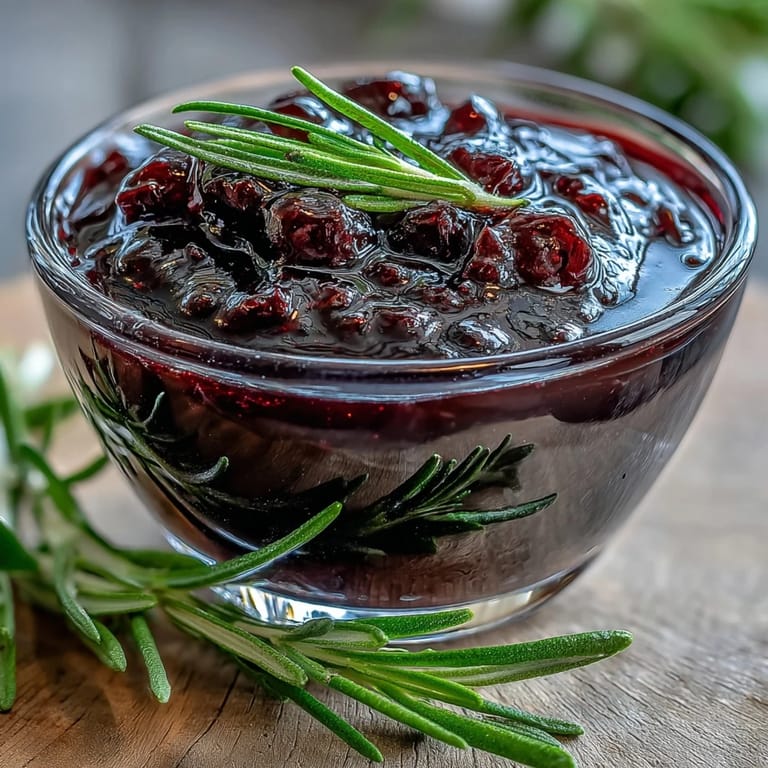
- Bring everything to a gentle boil, then turn the heat down so it simmers softly and quietly, stirring every few minutes. After about 15 to 18 minutes, you'll notice the sauce coating the back of a spoon slightly and the volume shrinking noticeably—that's your signal it's concentrating beautifully.
- Strain and season:
- Pull the pan off heat and fish out those rosemary sprigs with a fork or tongs. If you want a silky, refined sauce, pour everything through a fine-mesh sieve; if you prefer some texture, skip this step and simply taste, adjusting salt and pepper until it feels right.
 Save to Pinterest
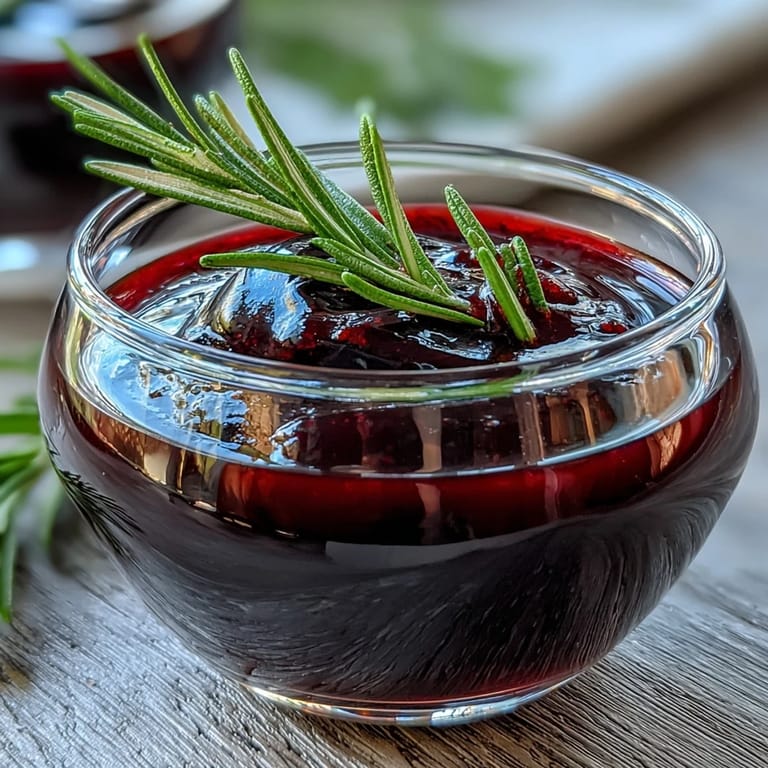
 There was a moment when I was plating a piece of venison and drizzled this sauce in a careful arc, watching it catch the light and pool around the meat like liquid ruby. My partner, who doesn't usually comment on presentation, said it looked like something from a restaurant kitchen, and that simple observation made me realize how much power a good sauce holds—it's not just flavor, it's theater.
When to Use This Sauce
This sauce shines brightest with darker proteins that have their own richness to stand up against—duck, venison, lamb, even roasted quail. But don't dismiss vegetables; I've spooned this over charred beets and roasted root vegetables with equally stunning results. The acidity cuts through richness while the rosemary adds an elegant herbaceousness that elevates simple preparations.
The Art of Reduction
Reduction is just letting the water in your sauce evaporate so everything left behind becomes more concentrated and glossy. It's one of those kitchen moments that feels slow at first, then suddenly the sauce is noticeably thicker and clingier to the spoon. The beauty is that once you understand this principle, you can apply it to almost any sauce—it's less about following rules and more about watching and learning what your specific ingredients need.
Variations and Variations
I've experimented with port wine instead of red wine when I wanted something richer and sweeter, which completely transforms the sauce's personality into something more decadent. Fresh thyme works beautifully if you don't have rosemary, though it's subtler and won't announce itself quite as boldly. For a vegan dinner I hosted, this sauce proved itself perfectly plant-based, which surprised exactly no one since it never needed butter or cream to be magnificent.
- Try adding a tiny pinch of ground cinnamon or star anise for an unexpected warmth that plays beautifully with game meats.
- If you prefer a sweeter sauce, add an extra tablespoon of jam or a teaspoon of honey while simmering.
- Cold leftover sauce becomes a glaze—just gently warm it before brushing over meats or vegetables.
 Save to Pinterest
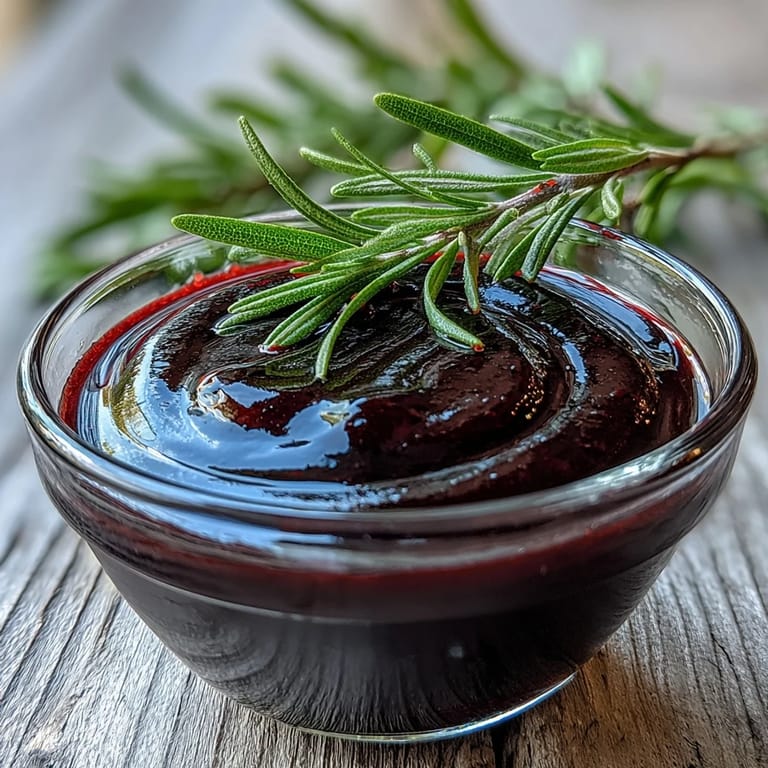
 This sauce is proof that elegant doesn't require complicated, and that sometimes the best discoveries happen when you stop overthinking and start tasting. Keep a bottle of black currant juice on hand, and you're always three minutes away from looking like you've been cooking this way forever.
Recipe FAQs
- → What meats pair best with black currant reduction?
The tart, fruity profile complements rich, gamey meats beautifully. Try it with roasted lamb chops, seared duck breast, venison steaks, or even pork tenderloin. The acidity cuts through fatty cuts while the berry notes enhance savory flavors.
- → Can I make this reduction ahead of time?
Absolutely. This sauce keeps well in the refrigerator for up to two weeks. Store it in an airtight container and gently reheat on the stove before serving. The flavors actually meld and improve after a day or two.
- → What can I substitute for black currant juice?
If unavailable, unsweetened cranberry juice or pomegranate juice work well as alternatives. Both provide similar tartness and deep color. You can also use fresh or frozen black currants, simmered with water and strained.
- → How do I know when the reduction is ready?
The sauce is ready when it coats the back of a spoon and has reduced by about half in volume. It should be slightly thicker than heavy cream but still pourable. Remember it will continue thickening as it cools.
- → Is straining the sauce necessary?
Straining is optional but recommended for an elegant, smooth finish. If you prefer texture or want to minimize waste, skip the sieve and leave the shallots and rosemary in for a more rustic presentation.
- → Can I freeze this reduction?
Yes, freeze in small portions or ice cube trays for up to three months. Thaw overnight in the refrigerator and reheat gently. Freezing may slightly alter the texture, but the flavor remains excellent.