 Save to Pinterest
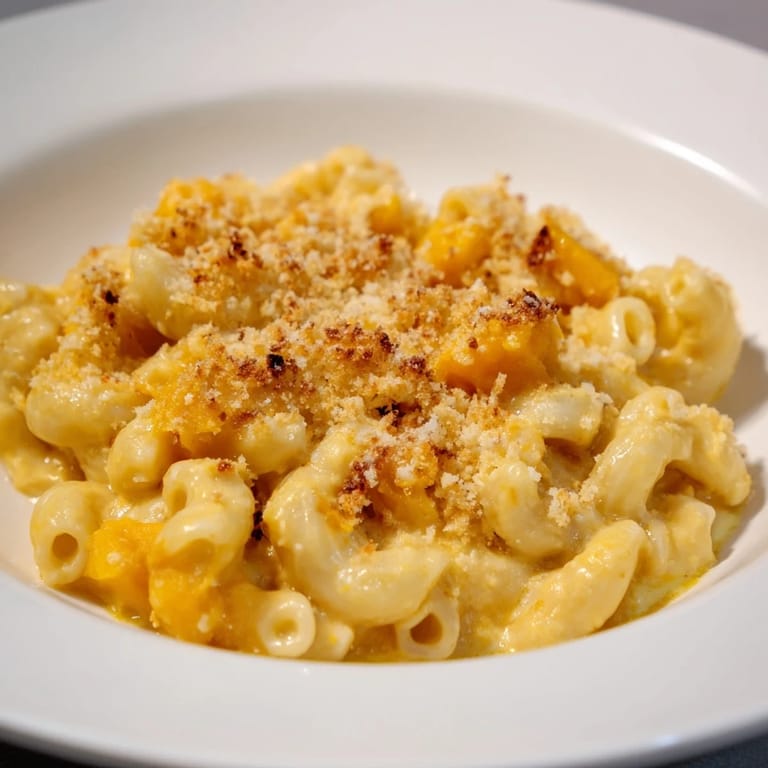
 One chilly October evening, I opened the fridge and found half a butternut squash leftover from soup night. I was craving mac and cheese but wanted something different, something that tasted like fall. So I roasted the squash, blended it into the sauce, and watched it turn the creamiest shade of orange. That first bite was a revelation: sweet, savory, and impossibly smooth.
I made this for my sister when she came over after a long week. She sat at the counter, wrapped in a sweater, and took a bite without saying anything. Then she asked for seconds before finishing her first bowl. We ended up eating straight from the pot, talking until the kitchen went dark.
Ingredients
- Elbow macaroni or small shells: The small shape holds onto the sauce beautifully, and I always cook it one minute under to keep it firm when baking.
- Butternut squash: Roasting it brings out natural caramelized sweetness that mellows the sharpness of the cheese, and cubing it evenly means it cooks at the same rate.
- Olive oil: Just enough to keep the squash from sticking and to help the edges brown in the oven.
- Unsalted butter: I prefer unsalted so I can control the salt level in the sauce, especially since cheese can vary in saltiness.
- All purpose flour: This creates the roux that thickens the milk into a silky base for the cheese.
- Whole milk: The fat content makes the sauce rich and smooth, and I always warm it slightly before whisking it in to avoid lumps.
- Sharp cheddar cheese: It gives the sauce a bold, tangy backbone that balances the sweetness of the squash.
- Gruyere or fontina cheese: These melt beautifully and add a nutty, luxurious depth that cheddar alone can not achieve.
- Nutmeg: Just a pinch warms the whole dish and brings out the squash flavor without tasting like dessert.
- Dijon mustard: A small spoonful sharpens the cheese sauce and keeps it from feeling too heavy.
- Panko breadcrumbs: They toast up golden and crunchy, adding texture that makes every bite more interesting.
- Parmesan: Mixed into the topping, it adds a salty, savory crust that crisps perfectly under the broiler.
Tired of Takeout? 🥡
Get 10 meals you can make faster than delivery arrives. Seriously.
One email. No spam. Unsubscribe anytime.
Instructions
- Roast the squash:
- Preheat your oven to 200 degrees C (400 degrees F), toss the cubed squash with olive oil, salt, and pepper, then spread it on a baking sheet. Roast for 20 to 25 minutes until the edges are caramelized and the flesh is fork tender.
- Cook the pasta:
- Bring a large pot of salted water to a rolling boil and cook the pasta until just al dente, usually about a minute less than the package says. Drain it well and set aside so it does not get musty.
- Puree the squash:
- Once the squash is cool enough to handle, blend it with half a cup of milk until completely smooth and velvety. This step is what makes the sauce feel luxurious.
- Make the roux:
- Melt the butter in a large saucepan over medium heat, then stir in the flour and cook for 1 to 2 minutes until it smells nutty and turns lightly golden. Do not rush this or the sauce will taste raw.
- Build the sauce:
- Gradually whisk in the remaining milk, stirring constantly to avoid lumps, and cook until the mixture thickens enough to coat the back of a spoon, about 3 to 4 minutes. Then stir in the squash puree, cheddar, Gruyere, nutmeg, and Dijon until the cheese melts into a smooth, glossy sauce.
- Combine pasta and sauce:
- Add the cooked pasta to the sauce and fold gently until every piece is coated. The pasta will soak up some of the sauce as it sits, so it should look a little loose at first.
- Add the topping:
- If you want a crispy top, transfer everything to a lightly greased baking dish, mix panko with melted butter and parmesan, sprinkle it over, and broil for 2 to 3 minutes. Watch it closely so it does not burn.
- Serve:
- Spoon it into bowls while it is still hot and steaming. I like to sprinkle extra cheese or a handful of chopped fresh thyme on top.
 Save to Pinterest
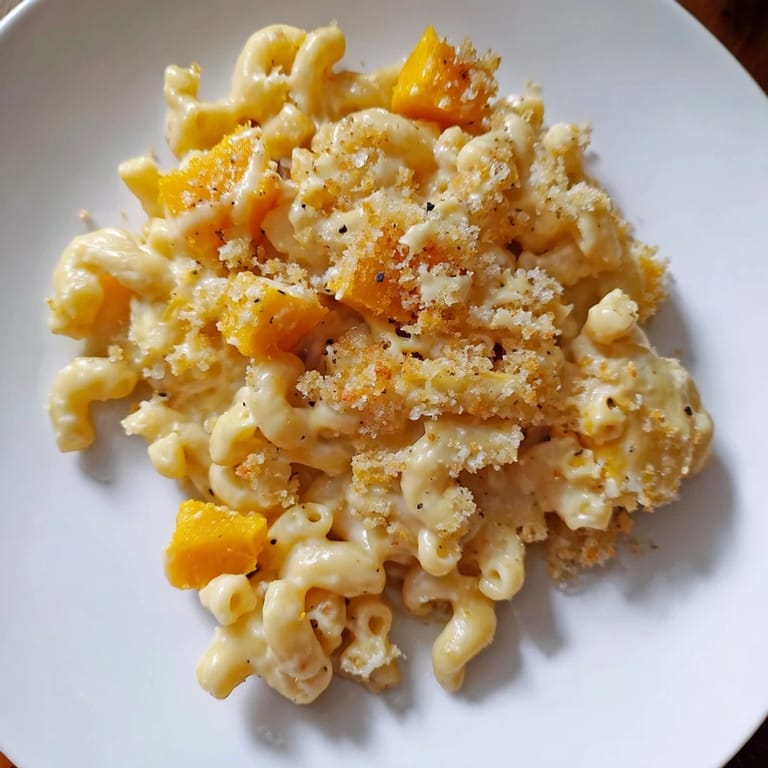
 The first time I brought this to a potluck, someone asked if I had used squash baby food because it was so smooth. I laughed and told them the secret, and now it is the dish people request when the leaves start turning. It stopped being just mac and cheese and became the thing that means autumn has arrived.
How to Store and Reheat
I keep leftovers in an airtight container in the fridge for up to three days. When I reheat it, I add a splash of milk and warm it gently on the stove, stirring often so the sauce does not break. The microwave works in a pinch, but the stovetop brings back that creamy texture. If you froze it, let it thaw overnight in the fridge before reheating, and expect to stir in a bit more milk to loosen it up.
What to Serve Alongside
This dish is rich, so I like pairing it with something crisp and bright. A simple arugula salad with lemon vinaigrette cuts through the creaminess, and roasted Brussels sprouts with a drizzle of balsamic add a savory crunch. If I am serving it for a crowd, I will set out a basket of warm crusty bread to soak up every last bit of sauce. A glass of chilled Chardonnay or a light sparkling cider balances the richness beautifully.
Ways to Make It Your Own
I have made this a dozen different ways depending on what is in the fridge. Sometimes I fold in sauteed spinach or kale just before serving for a pop of green. If I want extra protein, I will stir in shredded rotisserie chicken or crumbled crispy bacon, though that takes it out of vegetarian territory. You can swap Gruyere for fontina or even a mild mozzarella if you prefer a gentler flavor, and adding a pinch of smoked paprika to the sauce gives it a subtle, campfire warmth.
- Stir in a handful of fresh sage leaves crisped in butter for an earthy, aromatic finish.
- Top with toasted walnuts or pecans for a nutty crunch that complements the squash.
- Mix in a spoonful of cream cheese for an even richer, tangier sauce.
 Save to Pinterest
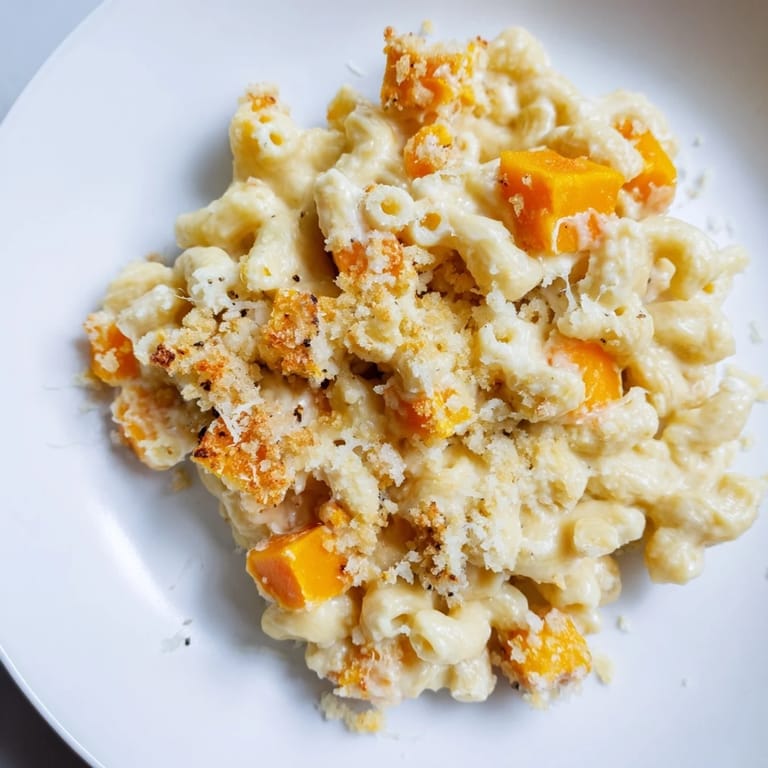
 This is the kind of dish that makes you forget it is cold outside. It warms you from the inside out and tastes like home, no matter where you are.
Recipe FAQs
- → What type of squash is used in this dish?
Fresh butternut squash is peeled, cubed, and roasted to bring out its natural sweetness and smooth texture.
- → Can I substitute the cheese blend?
Yes, swapping Gruyère with fontina or mozzarella creates a milder flavor while maintaining creaminess.
- → How is the sauce thickened?
A classic roux made with butter and flour is combined with milk and pureed squash to form a smooth, thick sauce.
- → What pasta shapes work best?
Elbow macaroni or small shell pasta hold the sauce well, providing the ideal texture balance.
- → Is there an optional topping for texture?
A crispy topping made of panko breadcrumbs, melted butter, and parmesan can be broiled briefly for added crunch.
- → How can I add more greens to the dish?
Incorporating sautéed spinach or kale introduces vibrant color and extra nutrients without overpowering flavors.