 Save to Pinterest
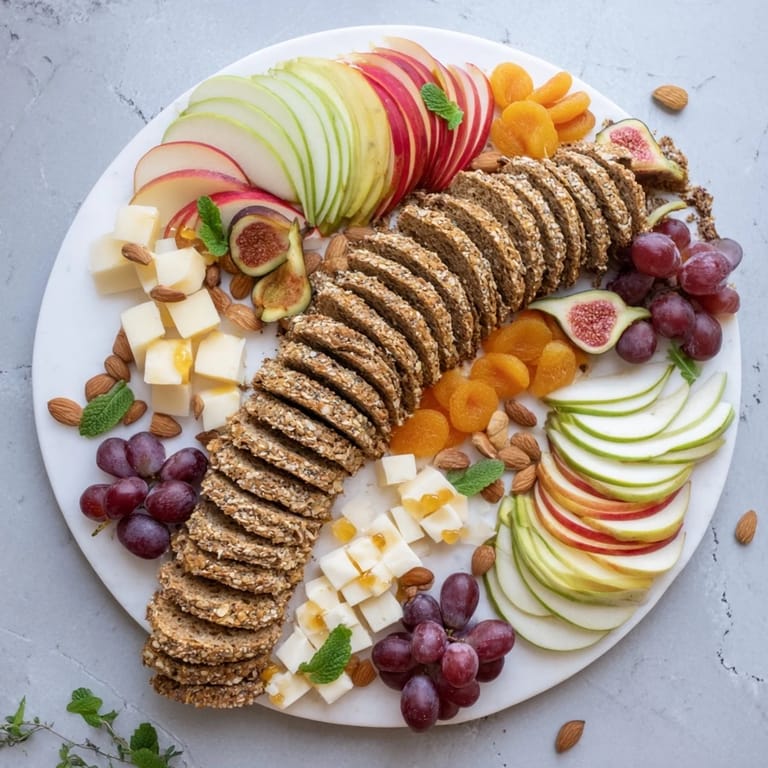
 The first time I arranged a board like this, I wasn't thinking about presentation at all—I was just hungry and tired after a farmer's market run, dumping everything onto whatever flat surface I could find. My partner walked by, stopped, and said it looked like a painting. That comment stuck with me, and now I realize that's exactly what The Harvest Scythe is: edible art that comes together in barely half an hour, with zero cooking required. It's become my go-to move when people are coming over and I want something that feels thoughtful without the stress of actually cooking.
I made this for a late-summer potluck where the theme was somehow "rustic and impressive," and honestly, I almost didn't go—I'd planned to bring store-bought hummus and pita. Then I remembered this board idea and spent 20 minutes in my kitchen instead, and it completely made sense. People circled it like it was the main event, and I watched someone pair a slice of rye with a piece of brie and dried apricot, close their eyes, and just savor it. That's when I knew this wasn't just food; it was an experience.
Ingredients
- Baguette: A crispy exterior and soft interior create textural contrast that makes this platter feel complete—slice it fresh if possible.
- Multi-grain crackers: These add nubby texture and visual interest, plus they hold up better than bread if people are grazing over an hour or two.
- Seeded rye bread: The earthiness pairs beautifully with fruit, especially pears and figs, and the seeds catch the light in a gorgeous way.
- Farro or barley: Cooked and cooled, this bridges bread and grain, adding a chewy element that surprises people in the best way.
- Fresh grapes: Red ones add color, but I sometimes mix in green for visual pop and a slightly different tartness.
- Pears and apples: Slice these close to serving so they don't brown; the sweetness balances bread's salt and savory cheese notes.
- Dried apricots and figs: Their concentrated sweetness and chewiness give you textural layers that fresh fruit alone can't provide.
- Brie and aged cheddar: These are optional but worth including—brie melts slightly on warm bread, and cheddar's sharpness cuts through fruit's sweetness.
- Honey or fig jam: A small bowl of this becomes the thing people come back to again and again.
- Fresh mint and roasted nuts: These finish the board with aroma and crunch, reminding people this came from someone who cares about details.
Tired of Takeout? 🥡
Get 10 meals you can make faster than delivery arrives. Seriously.
One email. No spam. Unsubscribe anytime.
Instructions
- Create your scythe sweep:
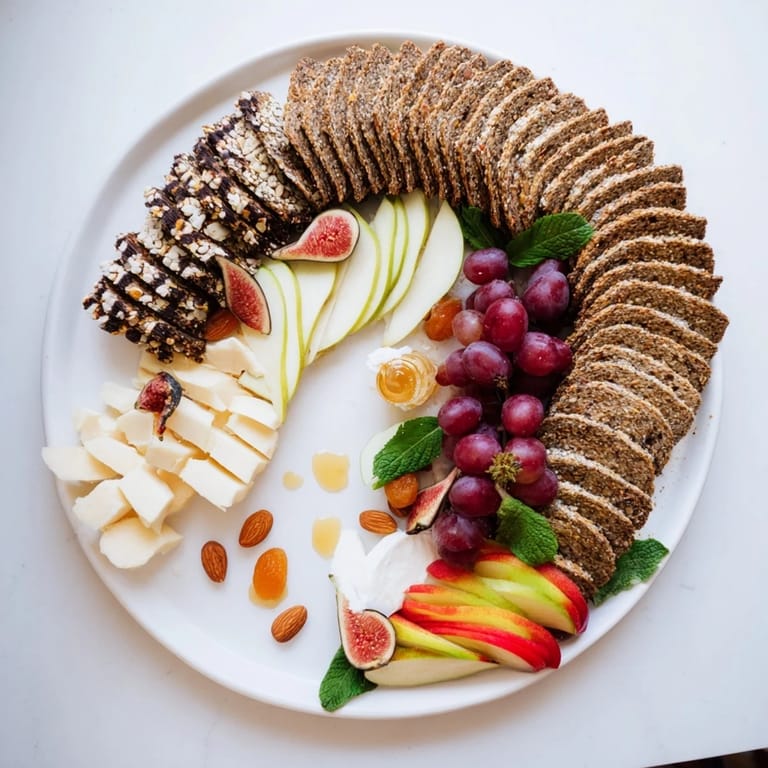
- Lay your sliced breads and crackers across the board in a gentle curve, like you're drawing the arc of a sickle blade. This isn't about perfect precision—slight irregularity makes it feel handmade and real.
- Build your grain field:
- Pile the cooled farro or barley along the inside of your bread curve in a thin, scattered layer. It should look loose and organic, like grain that's just been harvested.
- Fan the fruits:
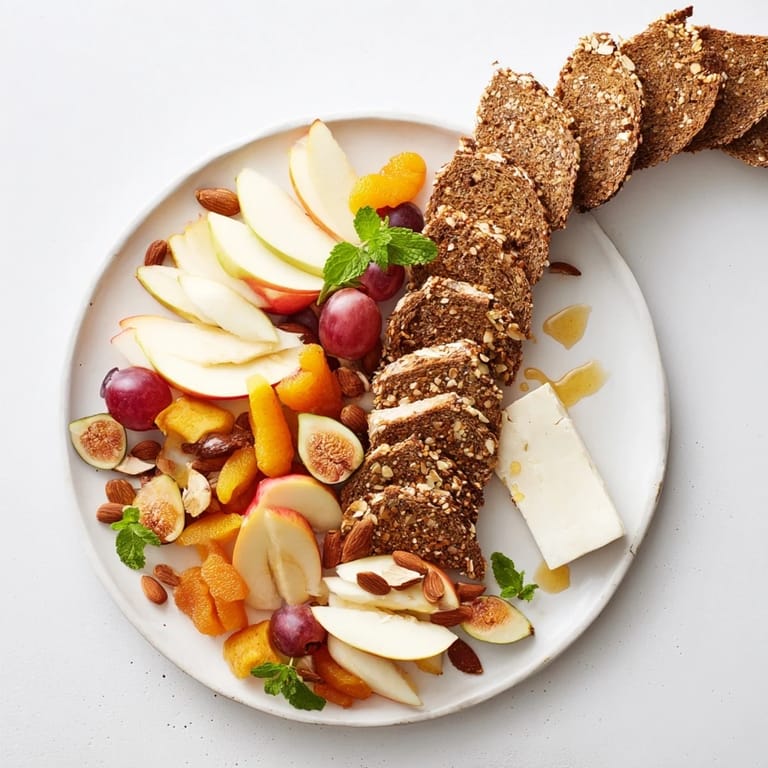
- Arrange pears, apples, and grapes so they weave between the breads and grains, letting colors blend naturally. Don't overthink placement—nature's randomness is more beautiful than perfect geometry.
- Cluster the cheeses:
- Group brie and cheddar in small piles near different sections of bread so people can easily pair them. Leave little gaps—a crowded board looks fussy.
- Add your finishing touches:
- Tuck small bowls of honey or jam at the edges, scatter fresh mint leaves and roasted nuts across the top, and step back to admire what you've made. The aroma that rises is half the appeal.
 Save to Pinterest
 What I love most about this board is watching it change as people eat. The geometry shifts, gaps appear, and somehow it becomes even more inviting—a landscape that's being discovered rather than admired from afar. It stops being about presentation and becomes about connection, which is what feeding people is really about.
Building Your Board Like You Mean It
The secret to a board that doesn't look haphazard is thinking in curves and clusters rather than straight lines. When you arrange bread in a gentle arc, everything else naturally finds its place along that flow. I learned this by accident, trying to use up space, and now it's the foundation of how I think about any platter. The eye wants to follow a path, and you're giving it one.
Choosing Fruits That Actually Shine
Fresh fruit on a board is only as good as its ripeness and flavor. I used to grab whatever looked pretty, and people would politely eat around the mediocre grapes. Now I spend an extra minute at the store tasting samples, especially pears—a ripe pear is sweet and tender, while an underripe one tastes like sadness. The same goes for apples; if they're mealy, no amount of presentation saves them. Good ingredients do the work for you.
Making It Your Own
This isn't a formula you have to follow exactly—it's a starting point. I've made versions with stone fruits in summer, pomegranate seeds scattered through the middle, or a swirl of whipped ricotta instead of brie. The scythe shape is just a metaphor for intentionality; arrange it however brings you joy. What matters is that you're putting thought into feeding people, and that's always going to taste better than something rushed.
- Swap seasonal fruits in and out so this board feels current to the time of year.
- Add a small bowl of fig jam or honey for a touch of richness without weighing anyone down.
- Make this the day before and wrap it well—it actually sits beautifully overnight and takes no time to unwrap and serve.
 Save to Pinterest
 This board has taught me that the best entertaining doesn't require hours in the kitchen—it requires intention and good ingredients. Serve it with a crisp white wine or sparkling water, and watch it disappear.
Recipe FAQs
- → What breads work best for this platter?
Small baguette slices, multi-grain crackers, and seeded rye are ideal due to their texture and flavor that complement the fruits.
- → Can I make this platter vegan-friendly?
Yes, simply omit the cheeses or substitute them with plant-based alternatives and ensure spreads are vegan.
- → How should the grains be prepared?
Cook and cool grains like farro or barley before spreading them in a thin, even layer to add texture and heartiness.
- → Are there recommended garnishes for added flavor?
Fresh mint leaves and roasted nuts like almonds or walnuts add refreshing aroma and crunchy texture.
- → What beverage pairs well with this selection?
A crisp white wine or a light sparkling beverage complements the fresh and rustic flavors beautifully.