 Save to Pinterest
 My first zaatar bread came from a small bakery in Beirut, tucked between a flower vendor and a spice shop where the owner's daughter taught me to stretch the dough with my fingertips instead of a rolling pin. She said the warmth of your hands makes the bread rise better, and I believed her then and still do now. Years later, I tried recreating it in my own kitchen on a quiet morning, the smell of zaatar filling my apartment like an invitation to somewhere I'd been before. That first batch wasn't perfect, but it tasted like memory, and I've been making it ever since.
I made these for my neighbor one Sunday after she mentioned missing the bread from her childhood in Damascus, and watching her tear into one warm from the oven with that expression of pure recognition reminded me why cooking for someone matters so much more than just feeding them.
Ingredients
- All-purpose flour (2 cups): The foundation that needs to be just strong enough to hold the dough together without being tough, which is why measuring by weight is your secret weapon here.
- Instant dry yeast (1 teaspoon): This wakes up in warm water and does the actual work of making the bread rise, so don't skip the warmth or it'll just sit there looking lonely.
- Sugar (1 teaspoon): A tiny bit feeds the yeast and helps it do its job, almost like giving it a little encouragement to get started.
- Salt (3/4 teaspoon): Brings out all the flavors hiding in the dough and keeps the yeast from going absolutely wild during rising.
- Olive oil (2 tablespoons for dough, 1/3 cup for topping): The good stuff makes the bread tender and adds that silky richness that makes people close their eyes when they bite into it.
- Warm water (2/3 cup): Needs to be just warm enough that you can hold your finger in it comfortably, not hot enough to hurt, because yeast is actually quite delicate.
- Zaatar spice blend (1/4 cup): This is the whole point, the fragrant mix of thyme, sumac, and sesame that tastes like sun-dried herbs and lemon all at once.
- Toasted sesame seeds (2 tablespoons): Already toasted means they bring their full nutty flavor and won't taste raw or bitter on the finished bread.
Tired of Takeout? 🥡
Get 10 meals you can make faster than delivery arrives. Seriously.
One email. No spam. Unsubscribe anytime.
Instructions
- Mix your base together:
- In a large bowl, whisk together your flour, yeast, sugar, and salt so everything is evenly distributed, then drizzle in the olive oil and slowly add the warm water while stirring until a soft, shaggy dough forms. It should feel a bit sticky and rough at this point, which is exactly right.
- Knead until it's smooth:
- Turn the dough onto a lightly floured surface and knead for 5 to 7 minutes, using the heel of your hand to push it away and fold it back toward you, until it becomes smooth and elastic and actually feels pleasant to touch. You'll know it's ready when it springs back gently when you poke it.
- Let it rise in a warm place:
- Put the dough in a lightly oiled bowl, cover it with a damp cloth to keep it from drying out, and leave it somewhere warm for about an hour until it has doubled in size. A sunny windowsill works, or near your oven if you turn on the light.
- Preheat and prep your workspace:
- Heat your oven to 220°C (425°F) and line two baking sheets with parchment paper so your breads don't stick and cleanup is easy. This is also a good time to make your zaatar topping by mixing the spice blend, sesame seeds, and olive oil into a paste in a small bowl.
- Shape the dough:
- Divide the risen dough into 4 equal pieces, gently shape each into a ball, then press and flatten each one into a round about 6 to 7 inches across using your fingertips. Don't worry about perfect circles; rustic is beautiful here.
- Add the zaatar and bake:
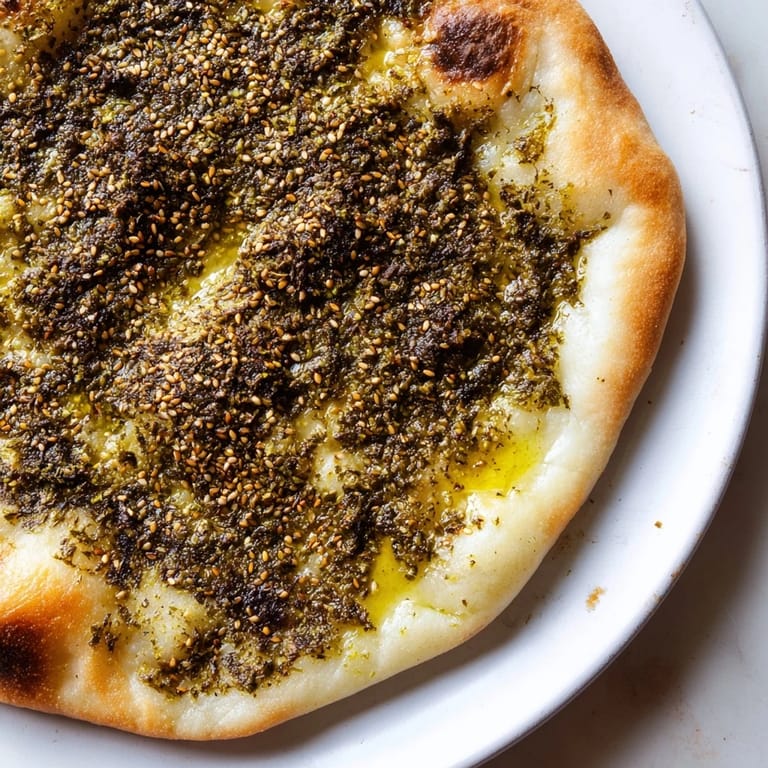
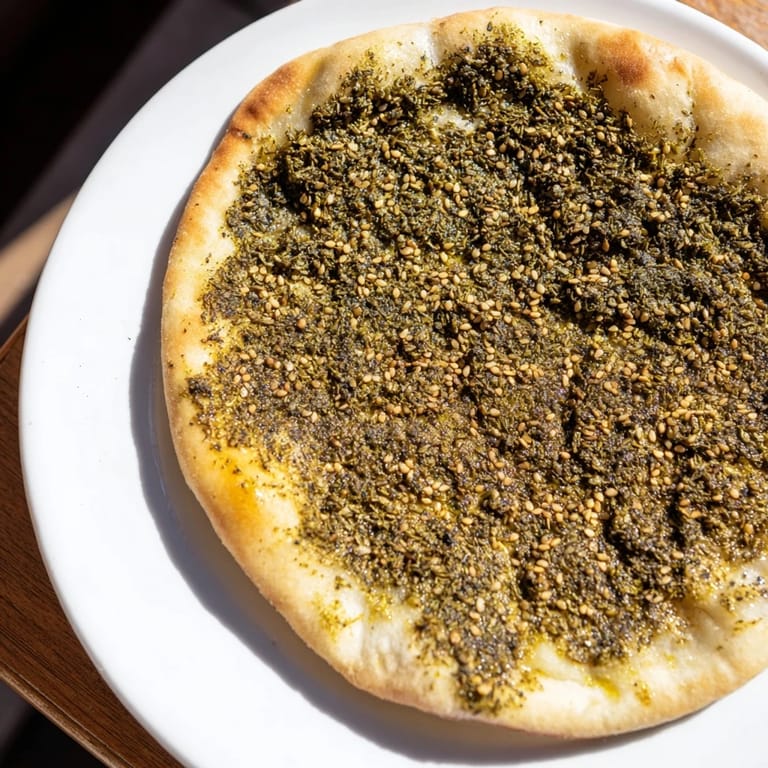
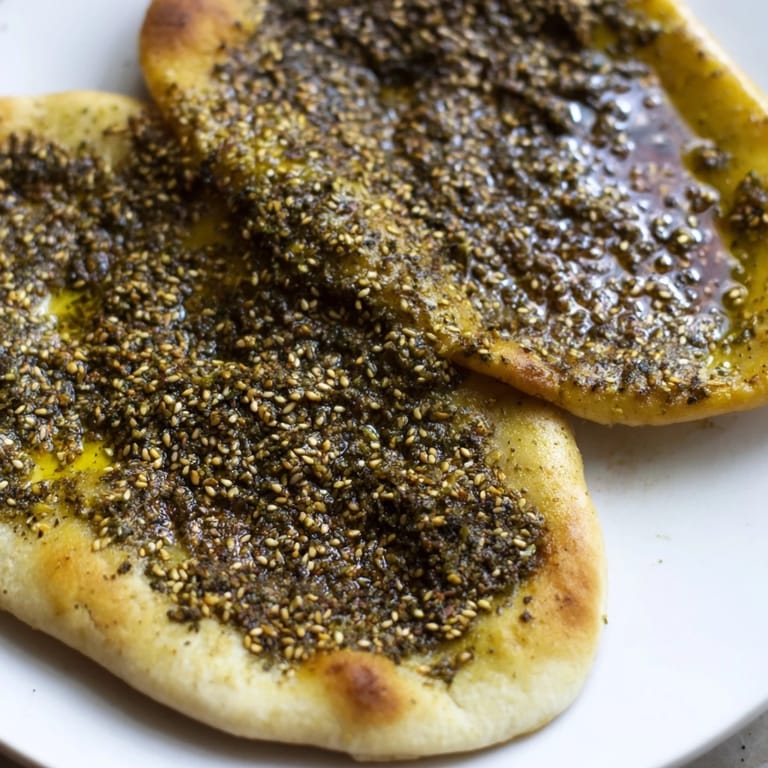
- Spread the zaatar mixture evenly over each dough round, leaving a small border at the edges so you have something to hold onto, then bake for 12 to 15 minutes until the breads are golden and the edges are crisp and just slightly charred. The aroma will tell you when you're close.
 Save to Pinterest
 The first time a friend tore off a piece of warm zaatar bread and dipped it into labneh at my table, he looked up with surprise and said it tasted like vacation, like someplace better than here. That's when I realized this bread is more than just something to eat; it's a small portal to somewhere warm and generous.
Why This Bread Works Every Time
The magic of zaatar bread lives in its simplicity and the fact that even a slightly imperfect dough will bake into something delicious because the flavors are strong enough to carry it. I've made batches that were too thick and too thin, and they still tasted wonderful, which is surprisingly freeing when you're learning. The generous amount of olive oil in the topping creates a seal that keeps the bread from drying out, even if it sits around for hours, making it perfect for preparing ahead of time.
Pairing and Serving Ideas
Serve this bread warm straight from the oven, but it's equally good at room temperature, which makes it ideal for lunch boxes or bringing to gatherings where you want to impress people without much effort. A dollop of creamy labneh on the side adds a cool, tangy contrast that makes the zaatar flavors taste even more vibrant, and fresh vegetables like tomatoes, cucumbers, and olives turn it into a complete meal. My favorite thing to do is tear pieces and use them to scoop up hummus, baba ganoush, or even just eat them plain while the bread is still warm enough that the sesame seeds crunch between your teeth.
Storage and Variations
Leftover zaatar bread keeps beautifully wrapped at room temperature for a day or two, and reheats perfectly in a 180°C oven for just a few minutes, which makes it great for meal prep or bringing to picnics. If you want to add heat to the mix, a pinch of chili flakes mixed into the zaatar topping gives it a gentle kick without overwhelming the other flavors, and some people swear by adding a tiny bit of sumac directly to the dough for extra tang.
- Try brushing the warm bread with extra olive oil right out of the oven for an even richer, more luxurious bite.
- You can make the dough the night before and refrigerate it, which actually deepens the flavor and gives you flexibility on timing.
- If sesame seeds aren't your thing, keep them out or replace them with nigella seeds for a different but equally delicious flavor.
 Save to Pinterest
 This bread has a way of turning an ordinary lunch into something that feels intentional and special, which is really all good cooking is about. Make it once and you'll understand why it's been part of Levantine tables for generations.
Recipe FAQs
- → What is zaatar and how does it enhance the bread?
Zaatar is a blend of dried herbs, sesame seeds, and sumac that offers a tangy, earthy flavor, giving the bread its distinctive aromatic and savory taste.
- → Can I make the dough without instant yeast?
Instant yeast speeds up rising time, but active dry yeast or sourdough starters can be used with adjusted rising periods for similar results.
- → How do I achieve a crispy crust on the flatbread?
Baking at high heat (220°C/425°F) on parchment and ensuring a thin, even dough shape promotes a golden, crisp crust.
- → What are good serving suggestions for this flatbread?
Serve warm or at room temperature alongside labneh, olives, fresh vegetables, hummus, or baba ganoush for authentic Middle Eastern flavors.
- → Can I add spice to the topping for extra flavor?
Yes, incorporating a pinch of chili flakes into the zaatar mixture adds a pleasant spicy kick without overwhelming the bread's balance.