 Save to Pinterest
 The first time I made a black currant reduction, I was standing in a French countryside kitchen on a cool autumn evening, watching a friend prepare roasted duck for dinner. She casually mentioned the sauce while chopping shallots, and I realized I'd never actually made one before—just eaten them at restaurants and assumed they required some sort of culinary magic. Turns out, the magic is just patience and good fruit, simmered down until the flavors collapse into something dark and glossy and impossibly rich.
I made this sauce last winter for a small dinner party where someone brought a spectacular venison roast, and honestly, the reduction stole the show. People kept asking what was in it, expecting some complicated backstory, and I loved telling them it was really just fruit and wine and time. There's something deeply satisfying about a sauce that looks fancy but feels simple, that makes you look like you know what you're doing even when you're mostly just following your instincts.
Ingredients
- Fresh or frozen black currants, 1 cup (150 g): These are the star—tart, jammy, and deeply flavorful in a way that regular berries just can't match, and frozen work beautifully if fresh aren't available.
- Dry red wine, 1 cup (240 ml): Use something you'd actually drink; cheap wine makes thin sauce, but you don't need your best bottle either.
- Good-quality chicken or vegetable stock, 1/2 cup (120 ml): This rounds out the acidity and adds subtle depth without overpowering the fruit.
- Balsamic vinegar, 2 tbsp (30 ml): A small amount adds sweetness and complexity that makes people wonder what that mysterious depth is.
- Small shallot, finely chopped: One shallot is all you need—it melts into the sauce and adds a whisper of sharpness.
- Fresh thyme sprig and bay leaf: These steep into the liquid like tea, adding earthiness that bridges fruit and meat perfectly.
- Granulated sugar, 2 tbsp (25 g): This isn't about making it sweet; it's about balancing the wine's tannins and the currants' tartness.
- Freshly ground black pepper and fine sea salt, 1/4 tsp each: Grind the pepper just before adding so you get those little flecks that matter.
- Cold unsalted butter, 2 tbsp (30 g), cut into cubes: This finishes the sauce with a silky texture and subtle richness that makes it feel indulgent.
Tired of Takeout? 🥡
Get 10 meals you can make faster than delivery arrives. Seriously.
One email. No spam. Unsubscribe anytime.
Instructions
- Soften the shallot:
- Melt a tablespoon of butter in your saucepan over medium heat, then add the chopped shallot. You'll know it's ready when it smells sweet and turns translucent, about 2 to 3 minutes of gentle stirring.
- Build the sauce base:
- Tumble in the black currants, wine, stock, vinegar, thyme, bay leaf, sugar, salt, and pepper. Stir everything together so nothing sticks to the bottom, and you'll see the currants start to break down almost immediately.
- Simmer until glossy:
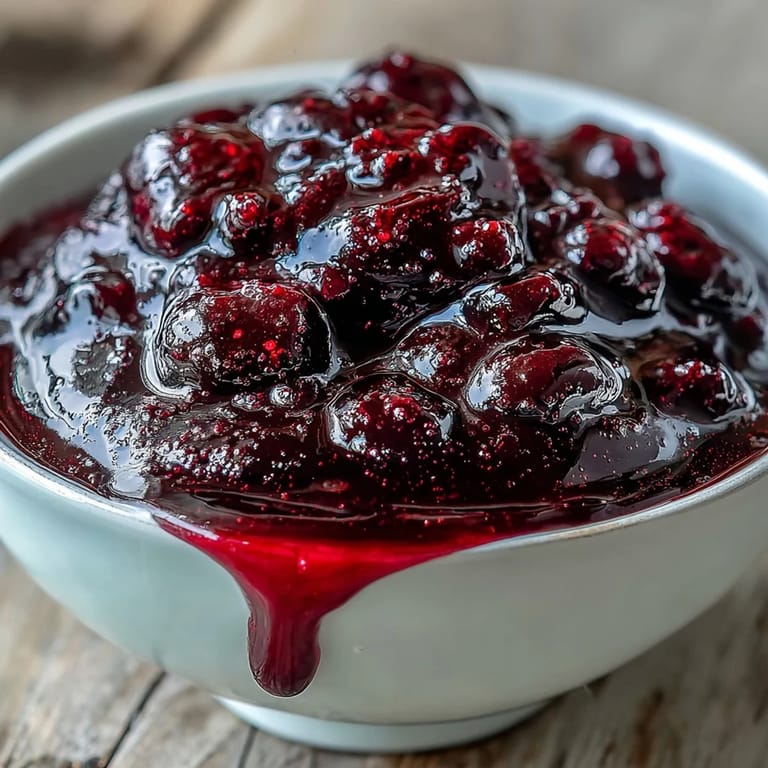
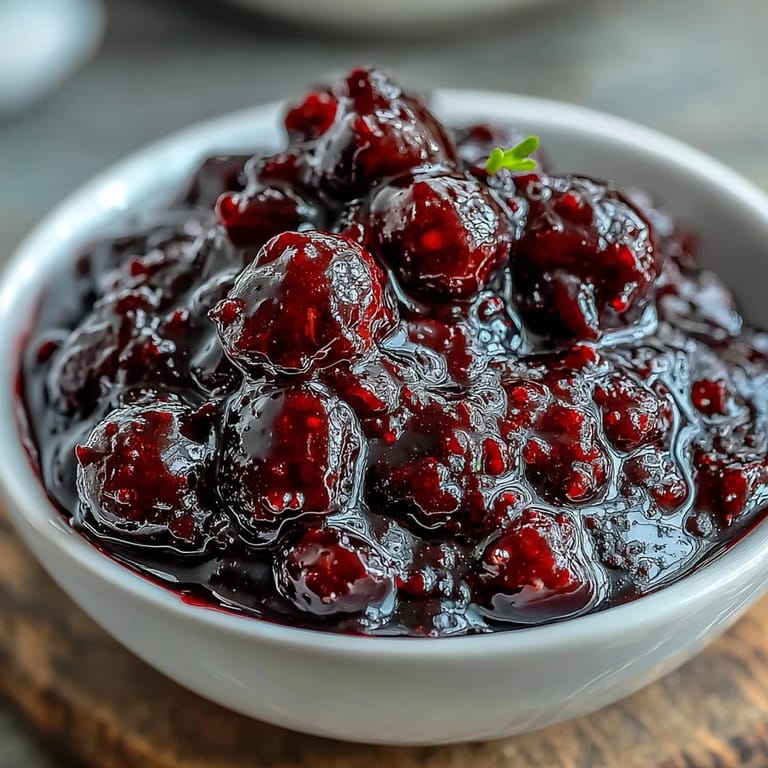
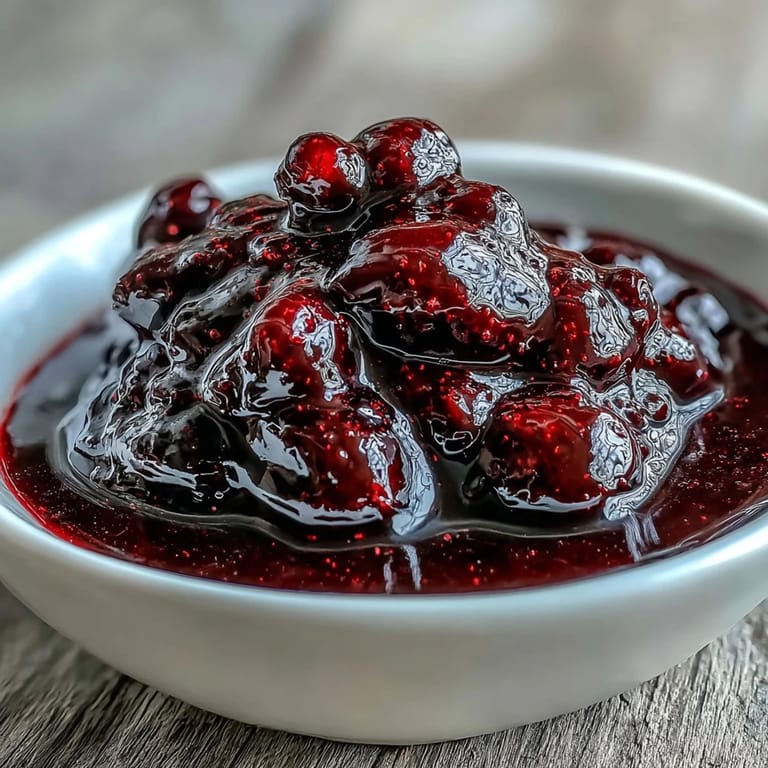
- Bring it to a gentle boil, then turn the heat down low and let it bubble quietly for 15 to 20 minutes, stirring every few minutes. You're watching for the liquid to reduce by about half and take on a syrupy consistency that coats the back of a spoon.
- Strain out the solids:
- Remove the thyme and bay leaf with a spoon, then pour the whole sauce through a fine mesh strainer into another pan. Press down on the currants with the back of a spoon to squeeze out every drop of liquid—don't rush this part, it's where the flavor lives.
- Mount with butter for shine:
- Set the strained sauce back on low heat and whisk in the cold butter cubes one at a time, letting each piece almost melt before adding the next. This is the move that transforms it from good to silky and glossy and restaurant-quality.
- Taste and adjust:
- Have a taste right now, before you serve it. If it's too sweet, a splash more vinegar fixes it; if it's too sharp, a tiny pinch of sugar softens it.
 Save to Pinterest
 There was a moment during that dinner party when someone took their first bite of the venison and just closed their eyes, and I realized that this little sauce—this thing that only took me 35 minutes from start to finish—had somehow elevated the whole evening. It's one of those recipes that reminded me why cooking for people matters.
When to Serve This Sauce
Black currant reduction is perfect for roasted duck, pork loin, venison, or even grilled lamb, but it also has this sophisticated edge that works beautifully alongside a charcuterie board. I've drizzled it over creamy goat cheese and it was transcendent, and once I even spooned it over vanilla ice cream as a whim, which somehow worked in a way I didn't expect. The tartness keeps it from feeling heavy, so it never overwhelms what it's sitting next to.
Making It Ahead
One of the best things about this sauce is that you can make it a full day before you need it, which takes the pressure off when you're actually cooking the main dish. Just store it in a container in the fridge, and when you're ready to serve, warm it gently over low heat while stirring, maybe with a splash of stock if it's thickened too much. Never boil it when reheating, or the butter will separate and you'll lose that silky texture.
Flavor Variations Worth Trying
If you want to push this sauce in different directions, there are a few tweaks I've learned from experimenting. A splash of crème de cassis instead of some of the wine adds a darker, almost mysterious depth, and fresh thyme can be swapped for rosemary if you're serving it with lamb. Some people add a touch of port wine for extra richness, or a whisper of juniper if the sauce is heading toward game meats.
- Try a small splash of balsamic at the very end for a flavor boost if the sauce tastes flat.
- If you want it less sweet, skip the sugar and rely on the balsamic and currants for natural sweetness.
- Frozen black currants work just as well as fresh, so don't feel like you have to hunt down fresh ones in the off-season.
 Save to Pinterest
 This is one of those sauces that tastes like you've been cooking it for hours, but you've really only spent half an hour. Keep it in your back pocket for when you want to feel confident and make something that genuinely impresses.
Recipe FAQs
- → What meats pair best with black currant reduction?
Duck, pork, venison, and game meats benefit most from the tangy-sweet profile. The sauce's acidity cuts through rich cuts like duck breast or pork tenderloin, while the fruit notes complement the earthy flavors of venison. It also enhances charcuterie boards alongside pâtés and terrines.
- → Can I use frozen black currants instead of fresh?
Absolutely. Frozen currants work equally well since they'll be cooked down and strained. No need to thaw beforehand—simply add them directly to the saucepan. The flavor remains consistent, making this a year-round option regardless of berry season.
- → How do I store and reheat the reduction?
Keep refrigerated in an airtight container for up to 3 days. Gently reheat over low heat, stirring occasionally. Avoid high heat which may cause the butter to separate. If separation occurs, whisk vigorously off the heat to re-emulsify.
- → What can I substitute for red wine?
Port wine adds sweetness and depth, while grape juice mixed with extra vinegar provides a non-alcoholic alternative. For a French twist, replace some wine with crème de cassis liqueur. Each substitution alters the final flavor profile slightly but maintains the sauce's essence.
- → Why strain the sauce before adding butter?
Straining removes skins, seeds, and cooked aromatics for a silky, professional texture. The solids have already infused their flavor during simmering. This step ensures the final glaze is smooth and elegant, allowing the butter to emulsify properly without interference.
- → Can I make this sauce dairy-free?
Omit the butter finish or replace with a plant-based alternative. The sauce will still be delicious, though slightly less glossy. For richness without dairy, reduce the liquid further to concentrate flavors, or finish with a teaspoon of olive oil for a different sheen.